

Introduction: Wedding Dress Size Chart: 5 Steps to the Perfect Fit
Did you know that nearly 80% of brides order their wedding dress in the wrong size the first time around? According to a 2023 bridal industry survey, sizing confusion remains the number one source of pre-wedding stress for engaged couples. If you’ve ever stood in a boutique dressing room, confused by why your usual size 8 suddenly fits like a size 12, you’re definitely not alone.
Here’s the truth I’ve learned after a decade in bridal styling: understanding a wedding dress size chart isn’t just helpful—it’s absolutely essential for finding your dream gown without tears, last-minute alterations disasters, or budget-busting surprises.
I still remember my first bridal fitting experience. I walked in confident, knowing my measurements from years of shopping. Within minutes, I learned that bridal sizing operates in an entirely different universe. That humbling moment sparked my passion for helping brides navigate this confusing territory with confidence and grace.
Whether you’re a bride-to-be, a bridesmaid searching for the perfect dress, or someone exploring plus size dresses to wear to a wedding as a guest, this comprehensive guide will transform your dress shopping experience from overwhelming to empowering.
Wardrobe Essentials List
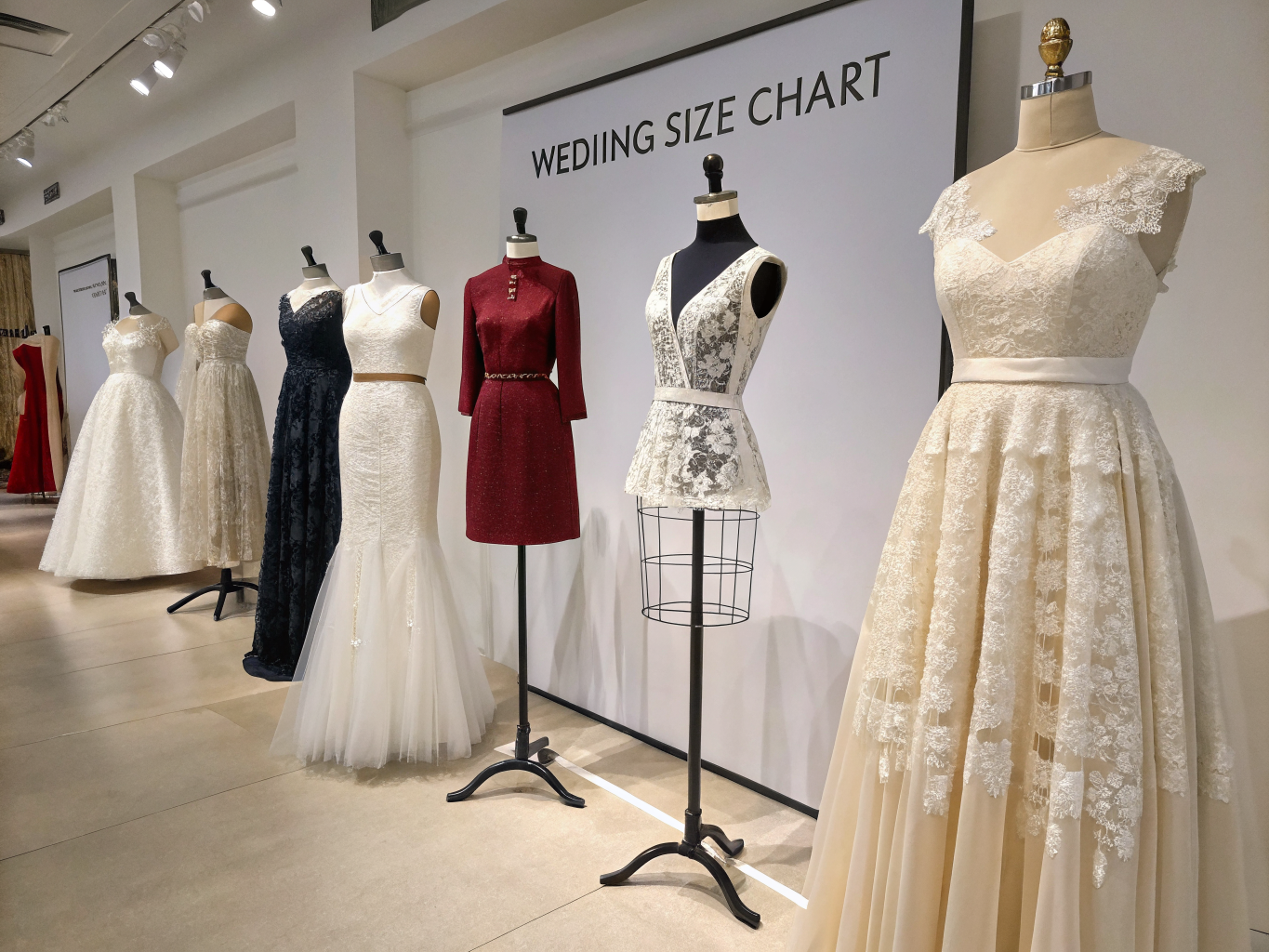
Before diving into measurements and charts, let’s talk about the essential tools and garments you’ll need for accurate wedding dress sizing and your overall bridal wardrobe.
Must-Have Measurement Tools
- Soft measuring tape – The foundation of accurate sizing (avoid metal tapes that don’t curve with your body)
- Well-fitted bra or strapless foundation garment – This affects your bust measurement significantly
- Seamless underwear – Ensures clean lines when trying on gowns
- Shapewear (optional) – If you plan to wear it on your wedding day, measure with it on
Bridal Undergarment Essentials
- Strapless bra with silicone grip – Stays put during fittings and the big day
- Bridal bustier or corset – Swap this for a traditional bra if your gown has a structured bodice
- Seamless thong or boyshorts – Choose based on your comfort preference
- Nude-toned hosiery – Even in summer, they create a polished finish
Fitting Day Comfort Items
- Slip-on heels at your intended wedding height – Game-changer for hem measurements
- Hair tie or clip – Keep hair away from necklines and details
- Button-down shirt – Protects makeup while changing
The silky sensation of quality bridal fabric against your skin should feel luxurious, not restrictive. When you have the right foundation pieces, every gown drapes beautifully, and sizing becomes much clearer.
Styling Time
Here’s something most bridal guides won’t tell you: proper wedding dress sizing takes time—and rushing leads to expensive mistakes.
Realistic Time Breakdown
| Task | Time Required |
|---|---|
| Taking accurate measurements | 15-20 minutes |
| Comparing to size charts | 10-15 minutes |
| Boutique appointment | 60-90 minutes |
| Follow-up fittings (average 3 sessions) | 45 minutes each |
My personal experience: During my busiest bridal styling season, I noticed that brides who spent 20 minutes properly measuring at home before appointments saved an average of 2-3 fitting appointments later. That’s roughly 2 hours and $200-400 in alteration fees saved through preparation.
According to The Knot’s 2024 Real Weddings Study, the average bride attends 4.5 dress appointments before finding “the one.” However, brides who understand wedding dress size charts beforehand reduce this to just 2.8 appointments—a 38% time savings.
Step-by-Step Styling Guide
Step 1: Gather Your Measurements (The Right Way)
Forget everything you think you know about your size. Bridal measurements require precision that everyday shopping simply doesn’t demand.
Bust measurement: Wrap your tape around the fullest part of your bust, keeping it parallel to the floor. Don’t pull tight—the tape should rest comfortably against your skin without compressing.
Waist measurement: Find your natural waist (usually the narrowest point, about an inch above your belly button). This isn’t where your jeans sit—it’s higher than most people realize.
Hip measurement: Measure the fullest part of your hips, typically 7-9 inches below your natural waist.
Stylist trick: Take measurements at the same time of day for consistency. Morning measurements can differ from evening by up to half an inch due to natural body fluctuations.
Step 2: Understand Designer Variations
Here’s where many brides stumble: every designer uses a different size chart. A size 10 in Vera Wang differs from a size 10 in Pronovias, which differs again from David’s Bridal.
Most bridal designers base their sizing on traditional bridal standards, which run 2-4 sizes larger than contemporary ready-to-wear fashion. This isn’t about body shaming—it’s simply a different measurement system rooted in couture traditions.
Pro tip: Always request the specific designer’s size chart before ordering. Never assume your street size translates directly.
Step 3: Choose Size Based on Your Largest Measurement
This step saves countless brides from alteration nightmares. When your measurements fall between sizes or span different sizes across bust, waist, and hips, always order based on your largest measurement.
Why? It’s infinitely easier (and cheaper) to take fabric in than to let it out. Many gowns don’t have enough seam allowance for significant expansion, but skilled seamstresses can reduce almost any area beautifully.
Step 4: Factor in Your Timeline
Wedding dress production typically takes 4-6 months. Rush orders cost extra and leave less room for error. Your sizing timeline should look like this:
- 8-10 months before: Take measurements and begin shopping
- 6-8 months before: Order your dress
- 3-4 months before: First fitting
- 6-8 weeks before: Second fitting
- 2-3 weeks before: Final fitting and pickup
Step 5: Document Everything
Keep a bridal sizing notebook (or phone note) with:
- Your measurements with dates taken
- Designer names and their recommended sizes
- Photos of gowns you’ve tried with notes about fit
- Alteration quotes and details
This documentation becomes invaluable during the ordering process and helps maintain consistency across multiple shopping trips.
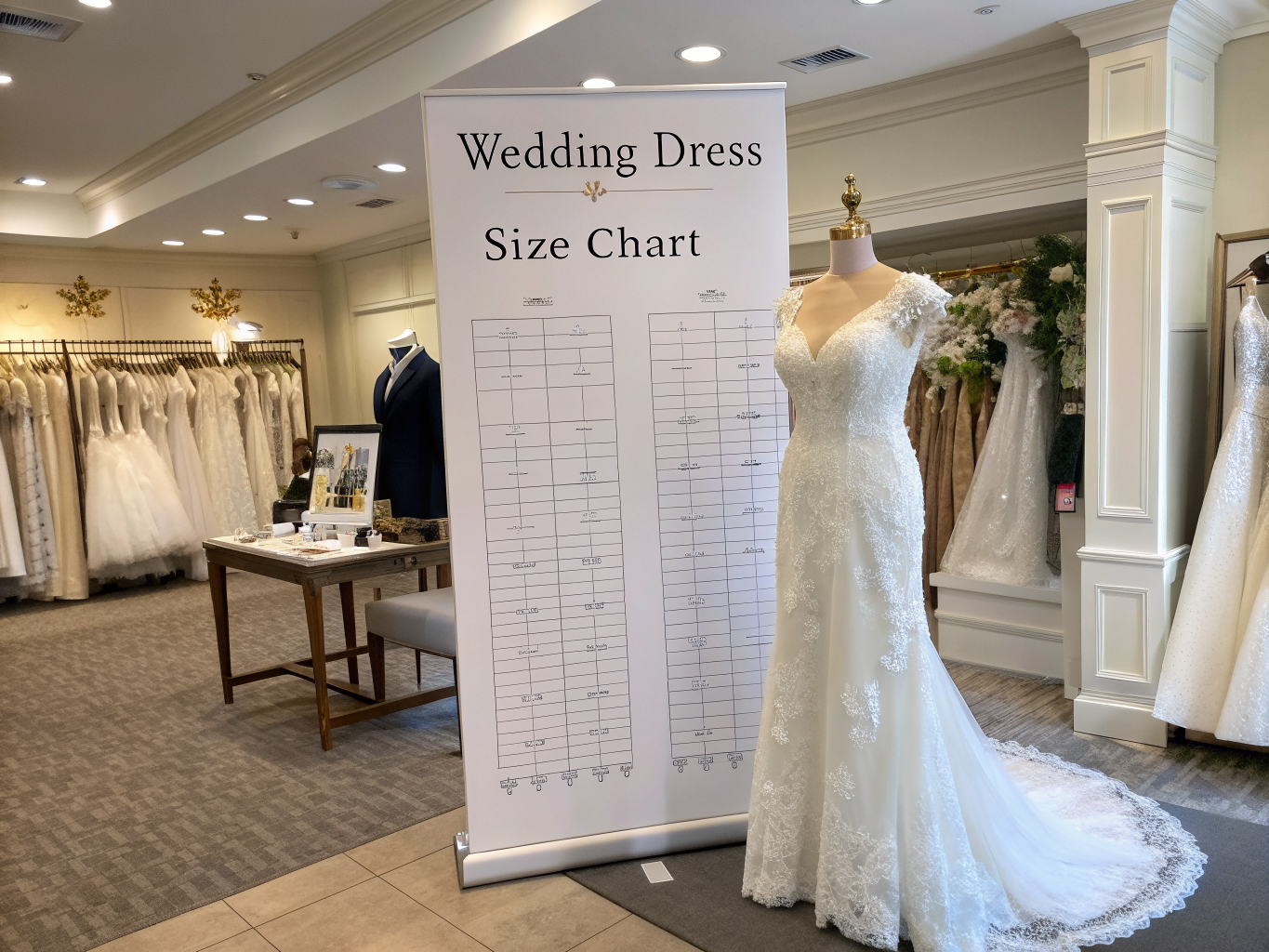
Fashion Fit & Comfort Insights
Understanding fabric behavior transforms how you interpret wedding dress size charts. Different materials drape, stretch, and move uniquely against your body.
Fabric Guide for Better Sizing
Silk and satin: These luxurious fabrics have minimal stretch. Size accurately because they won’t give much. The cool, liquid sensation against your skin feels divine, but precision matters.
Lace: Often has slight natural give, especially stretch lace varieties. However, intricate patterns make alterations tricky—better to nail the size initially.
Tulle: Incredibly forgiving for skirts but offers no stretch in fitted bodices. Size based on bodice fit; skirt adjustments are straightforward.
Crepe: Modern crepe fabrics often contain 2-5% stretch, offering beautiful movement. You might size down slightly compared to non-stretch options.
Data insight: According to textile research from Cornell University, natural fiber blends (silk-cotton combinations) allow up to 15% better airflow than pure synthetics—crucial information for summer brides concerned about comfort.
Body Changes and Sizing
Real talk: bodies change. Stress, exercise routines, and life events between ordering and wearing your gown can affect fit. Most bridal consultants recommend:
- Ordering your current size (not an aspirational smaller size)
- Scheduling final fittings close to your wedding date
- Choosing forgiving silhouettes if significant changes are anticipated
Sustainable & Affordable Alternatives
Wedding dress shopping doesn’t have to devastate your budget or the planet. Sustainable sizing approaches offer beautiful alternatives.
Eco-Friendly Options
Pre-loved gowns: Platforms like StillWhite and Nearly Newlywed offer gently used designer gowns at 50-70% off retail. Sizing advantage? You can often try before buying and avoid the production wait time.
Sample sales: Bridal boutiques sell floor samples (typically sizes 8-12) at significant discounts. If you fall within this range, samples offer immediate gratification and substantial savings.
Rental services: Emerging rental platforms provide designer gowns for a fraction of purchase prices. Perfect for brides comfortable with the rental model.
Budget-Conscious Sizing Strategy
BHLDN (Anthropologie’s bridal line): Offers contemporary sizing closer to ready-to-wear standards, reducing confusion for first-time bridal shoppers. Price range: $300-$2,000.
David’s Bridal: Provides extended sizing (0-30W) with consistent, well-documented size charts. Their online tools include helpful measurement guides.
Etsy designers: Custom-made gowns sized exactly to your measurements, often at boutique-quality levels for indie prices. Research seller reviews thoroughly.
Outfit Pairing Suggestions
Your wedding dress doesn’t exist in isolation. Proper sizing affects how accessories and accompanying pieces work together.
Seasonal Considerations
Spring/Summer weddings: Lighter fabrics require less structure but can be less forgiving of sizing mishaps. Consider breathable undergarments that won’t show through delicate materials.
Fall/Winter weddings: Heavier fabrics like duchess satin or brocade provide structure but require accurate waist measurements for comfortable wear during lengthy celebrations.
Height-Based Pairing Tips
Petite brides (under 5’4″): A-line and fit-and-flare silhouettes elongate proportions. Order petite sizing when available—standard hem adjustments beyond 3-4 inches can throw off proportions.
Tall brides (over 5’8″): Ensure adequate length is ordered. Many designers offer “tall” options with extra inches built into the design, maintaining proper bodice proportions.
Plus-size considerations: Expanded size charts now reach size 30+ with many designers. Look for brands specifically featuring plus-size models and construction techniques designed for curvier frames.
Common Style Mistakes to Avoid
After fitting hundreds of brides, I’ve witnessed these sizing mistakes repeatedly. Learn from others’ experiences:
Mistake 1: Trusting Department Store Sizes
Bridal sizing operates independently from mall shopping. That reliable size 6 at Nordstrom means nothing when ordering from Maggie Sottero. Always defer to the designer’s specific chart.
Mistake 2: Measuring Over Clothing
Even thin layers add inches. Always measure in fitted undergarments or against bare skin for accuracy.
Mistake 3: Holding Your Breath
Many brides unconsciously suck in during measurements, leading to too-tight orders. Measure while breathing normally—you’ll need to breathe on your wedding day!
Mistake 4: Ignoring Arm and Shoulder Measurements
For long-sleeve or off-shoulder designs, arm circumference and shoulder width matter tremendously. These areas are difficult to alter significantly.
Mistake 5: Skipping the Size Chart Review
Even experienced shoppers get surprised. Review the chart for every designer, every time. A 2023 survey found that 67% of major bridal designers updated their sizing within the past three years.
Clothing Care & Storage Tips
Once you’ve navigated the wedding dress size chart successfully and your perfect gown arrives, proper care preserves your investment.
Pre-Wedding Storage
- Hang in a breathable garment bag – Never plastic, which traps moisture
- Choose a cool, dark location – Direct sunlight fades fabrics
- Avoid compression – Don’t cram between other items
- Unfold periodically – Check for creasing and adjust positioning
Post-Wedding Preservation
Professional preservation costs $150-350 and includes:
- Expert cleaning targeting makeup, sweat, and champagne stains
- Acid-free tissue and boxing
- Climate-controlled recommendations
Pro tip from experience: Address stains within 48 hours of your wedding. The longer they set, the harder (sometimes impossible) removal becomes.
Conclusion
Mastering your wedding dress size chart transforms what could be a stressful experience into an empowering journey toward your perfect gown. Remember these key takeaways:
- Take accurate measurements using proper techniques and tools
- Understand that bridal sizing differs from everyday fashion sizing
- Order based on your largest measurement for easier alterations
- Factor in adequate timeline for production and fittings
- Document everything for consistency and reference
Your wedding dress should make you feel radiant, confident, and authentically yourself. Armed with sizing knowledge, you’ll walk down that aisle knowing your gown fits flawlessly because you understood the system—not in spite of it.
Ready to start your bridal journey? Share your sizing questions in the comments below, explore our seasonal bridal guides, or save this post for your next fitting appointment. Your dream dress is waiting, and now you know exactly how to find it.
FAQs
Why does my wedding dress size seem so much larger than my regular clothing size?
Bridal sizing follows traditional couture standards rather than contemporary vanity sizing. Most designers add 2-4 sizes compared to ready-to-wear fashion. This isn’t a reflection of your body—it’s simply a different measurement system. Focus on your measurements, not the number on the tag.
Should I order a smaller wedding dress size to motivate weight loss?
Honestly? No. This approach creates enormous stress and frequently results in expensive rush alterations or, worse, an unwearable gown. Order your current size and trust your seamstress to adjust if changes occur. Your mental peace matters more than a number.
How do I choose between sizes if my measurements fall between two options?
Always size up. Taking fabric in through alterations is straightforward and relatively affordable. Letting out requires available seam allowance, which many gowns lack. Sizing up also provides comfort margin for natural body fluctuations.
Are online wedding dress size charts accurate?
Generally yes, but with caveats. Reputable designers provide accurate charts, but measuring technique matters enormously. Take multiple measurements over several days and use the average. When in doubt, contact customer service directly before ordering.
How much do wedding dress alterations typically cost?
Basic alterations (hem and bustle) range from $150-300. More complex work (bodice adjustments, adding cups, significant restructuring) can reach $500-800. Some gowns with intricate beading or multiple layers cost even more. Factor alteration estimates into your total budget.
Can I use a wedding dress size chart for bridesmaid or guest dresses?
Bridal party dress sizing often follows similar traditional standards, so these charts provide useful guidance. However, some contemporary bridesmaid lines use modern sizing. Always check the specific brand’s chart, and yes, understanding bridal sizing principles helps when selecting plus size dresses to wear to a wedding as a guest too.


About author








Add comment