

Introduction
Did You Know That Over 67% of Modern Brides Are Embracing Cultural Wedding Attire?
There’s something undeniably magical happening in the bridal world right now. According to recent wedding industry reports, nearly two-thirds of contemporary brides are stepping away from conventional white gowns to honor their heritage through traditional dress. And leading this cultural renaissance? The breathtaking korean traditional wedding dress, which has seen a remarkable 340% increase in Pinterest searches over the past three years.
I still remember the first time I styled a bride in a traditional Korean wedding ensemble. The moment she saw herself in that vibrant silk, adorned with intricate embroidery and flowing jeogori, her eyes filled with tears. “I feel connected to my grandmother,” she whispered. That’s the power of the korean traditional wedding dress: 5 reasons why brides love it – it’s not just fashion; it’s a bridge between generations.
Whether you’re a Korean bride wanting to honor your roots, a multicultural couple celebrating both heritages, or simply a fashion-forward bride seeking something extraordinary, this comprehensive guide will walk you through everything you need to know about styling, wearing, and caring for this magnificent ceremonial attire.
Wardrobe Essentials for Your Korean Traditional Wedding Look
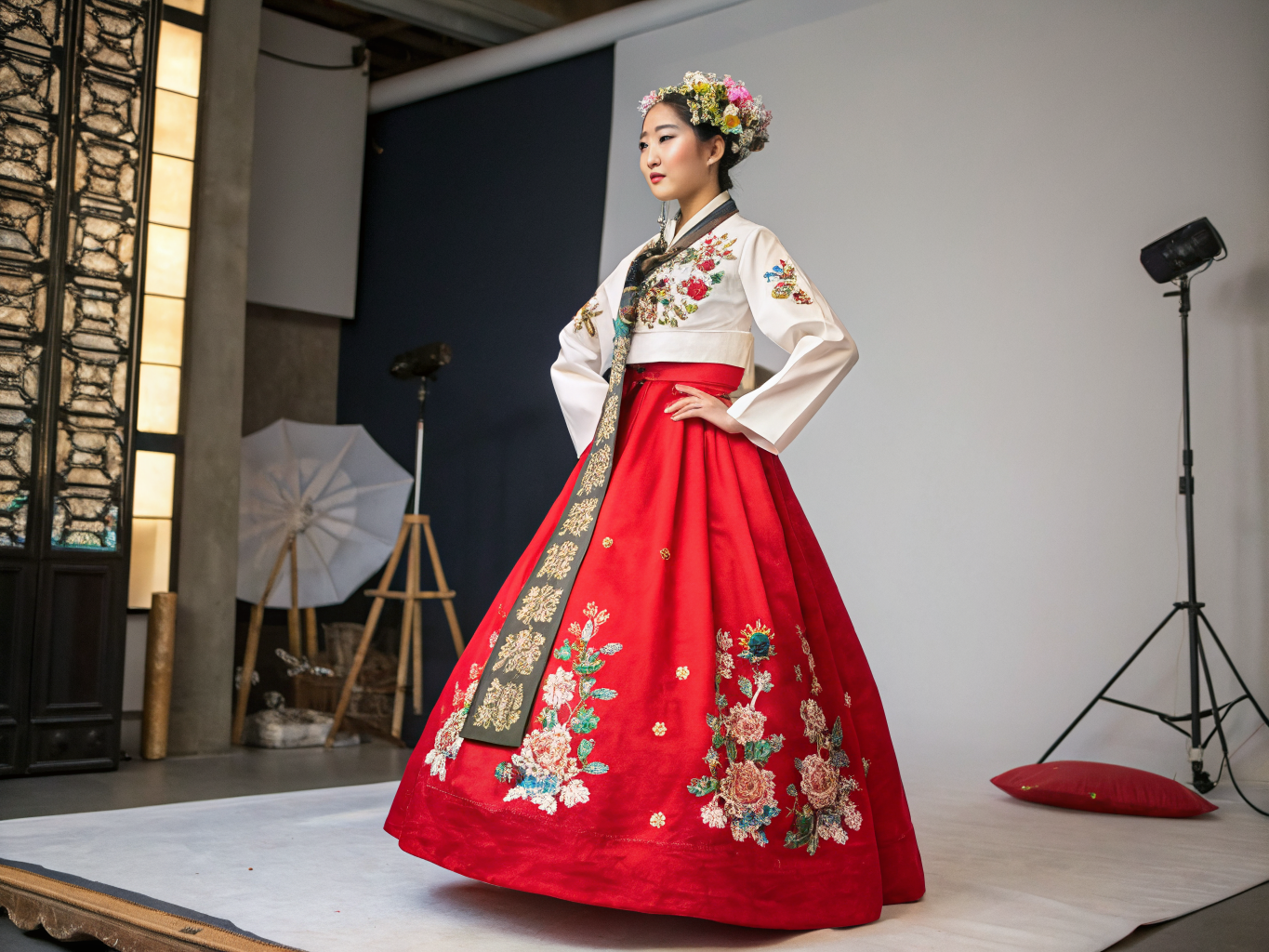
Creating the perfect Korean bridal ensemble requires understanding the fundamental pieces that compose this iconic look. The korean wedding dress hanbok consists of several essential components that work harmoniously together.
The Core Pieces You’ll Need
Jeogori (저고리) – The Upper Jacket
This short, fitted jacket serves as the foundation of the bridal hanbok. Traditionally crafted from silk or ramie, the jeogori features long, curved sleeves and closes at the front with a decorative ribbon called the goreum. For brides, expect luxurious textures like silk damask or embroidered satin in colors ranging from crimson red to delicate pink or regal gold.
Chima (치마) – The Flowing Skirt
The chima is a high-waisted, voluminous skirt that creates that signature silhouette we associate with Korean bridal elegance. Modern interpretations often include multiple layers of tulle underneath for added drama. The fabric drapes beautifully, creating movement that photographs stunningly.
Goreum (고름) – The Decorative Ribbon
Think of the goreum as the hanbok’s statement accessory. This ribbon ties the jeogori closed and typically features contrasting colors that add visual interest. The way you tie it can actually signal your marital status!
Beoseon (버선) – Traditional Socks
These curved white socks aren’t just functional – they’re part of the complete traditional aesthetic. Their distinctive boat-like shape is surprisingly comfortable.
Kkotsin (꽃신) – Embroidered Shoes
Delicately embroidered silk shoes complete the look. Modern brides often swap these for the ceremony photos, then switch to comfortable heels for the reception.
Stunning Substitutions for Modern Brides
If you want to honor tradition while adding contemporary flair, consider these creative swaps:
- Swap a traditional red jeogori for a blush pink or champagne version for a softer, romantic vibe
- Replace heavy silk with lightweight organza for summer weddings
- Choose a fitted, modern-cut chima instead of the traditional full silhouette for cocktail-style receptions
- Add a detachable train for dramatic ceremony photos that you can remove for dancing
Styling Time: From Preparation to Picture-Perfect
Here’s the reality that many brides don’t anticipate: styling a complete Korean traditional wedding dress requires significantly more time than slipping into a Western gown. Based on my experience working with dozens of brides, here’s what to expect:
Complete Hanbok Styling Timeline:
- Hair and makeup preparation: 60-90 minutes
- Putting on the undergarments and chima: 15-20 minutes
- Adjusting the jeogori and tying the goreum properly: 10-15 minutes
- Adding accessories (headpiece, hairpins, jewelry): 15-20 minutes
- Final adjustments and photography-ready touches: 10 minutes
Total average styling time: 2 to 2.5 hours
Compare this to a typical Western wedding dress, which averages around 45 minutes for complete styling. The difference? The Korean traditional wedding dress demands precision in layering and positioning that simply can’t be rushed.
Here’s my insider tip: schedule a practice session with your hanbok at least two weeks before your wedding. During this trial run, time yourself and identify any challenging elements. One bride I worked with discovered her goreum was slightly too short for her preferred bow style – catching this early gave us time to source a longer ribbon without wedding-day stress.
Step-by-Step Styling Guide for the Perfect Hanbok Bridal Look
Step 1: Prepare Your Base Layer
Start with a traditional sokchima (underskirt) and sokjeogori (undershirt). These aren’t just modesty layers – they create the proper silhouette and prevent your outer garments from clinging uncomfortably. Choose breathable cotton for maximum comfort, especially for summer ceremonies.
Stylist trick: Lightly dust talcum powder on these base layers to help the silk chima glide smoothly when you move.
Step 2: Position and Secure the Chima
Step into the chima and pull it up to sit just below your bust line – yes, it’s meant to sit this high! The high waistline creates that elegant, elongated silhouette that makes Korean bridal wear so flattering. Secure the ties at the back or side, depending on your specific design.
Stylist trick: If you’re between sizes, always size up for the chima. You can always tie it tighter, but you can’t add fabric.
Step 3: Layer the Jeogori with Care
Slip your arms through the jeogori sleeves and position it so the front panels overlap correctly (right side under left for traditional styling). The hemline should sit at your natural waist, meeting the top of the chima seamlessly.
Stylist trick: Use fashion tape along the inner edge of the jeogori to prevent it from shifting during photos and dancing.
Step 4: Master the Goreum Tie
This is where many brides struggle, but once you master it, you’ll feel like a true Korean bride. Form a loop with one end, wrap the other around it, and adjust until the loops are symmetrical and the tails flow elegantly. The bow should sit slightly off-center, toward your left side.
Stylist trick: Practice this at least ten times before your wedding day. The muscle memory will serve you well when nerves kick in.
Step 5: Complete with Accessories
Add your jokduri (bridal crown) or hwagwan (ceremonial headpiece), position any hairpins, and put on your traditional jewelry. Each piece has cultural significance, so wear them with pride and intention.
Fashion Fit & Comfort Insights
Let’s talk about what it actually feels like to wear a Korean traditional wedding dress for hours on end. I believe in complete honesty with my clients, and comfort matters just as much as aesthetics on your special day.
Fabric Considerations:
Traditional hanbok silk is exquisite but can be warm. Studies show that natural silk has approximately 35% better moisture-wicking properties than synthetic alternatives, which helps regulate body temperature. However, the multiple layers can still feel heavy.
Modern designers have responded to this concern beautifully. Many contemporary hanbok creators now use silk-cotton blends that reduce weight by up to 25% while maintaining that luxurious appearance. I styled a bride last September who wore a blended-fabric hanbok for her outdoor ceremony in 28°C weather – she reported feeling surprisingly comfortable throughout the four-hour event.
Fit Tips for Different Body Types:
- Petite brides: Choose a slightly shorter chima length and avoid overly voluminous skirts that can overwhelm your frame
- Tall brides: Embrace the full, traditional silhouette – your height carries the drama beautifully
- Plus-size brides: Look for jeogori with subtle A-line shaping rather than heavily fitted styles; the hanbok’s empire-waist design is naturally flattering for all body types
- Athletic builds: Soft, draping fabrics will add femininity without feeling restrictive
Movement and Practicality:
One concern I hear frequently: “Will I be able to move?” The answer is yes – but with intention. The chima’s full skirt allows for surprisingly free leg movement. The jeogori, however, can restrict arm mobility somewhat. Plan accordingly for your ceremony (you’ll want to practice any arm-raising moments) and consider a quick change for vigorous reception dancing.
Sustainable & Affordable Alternatives
Not every bride can invest in a custom silk hanbok, and that’s completely okay. The good news? Beautiful alternatives exist at every price point.
Budget-Friendly Options:
- Rental Services: Many Korean bridal shops offer rental hanbok starting around $150-300 for the complete ensemble. This is an excellent choice for brides who want authenticity without the full investment.
- Pre-Owned Hanbok: Platforms like eBay and specialized Korean wedding resale sites offer gently used traditional dresses at 40-60% off retail prices.
- Simplified Designs: Choose a two-piece hanbok without elaborate embroidery. Plain silk in beautiful colors can be just as stunning and costs significantly less.
Sustainable Choices:
The fashion industry generates approximately 92 million tons of textile waste annually. Choosing a Korean traditional wedding dress can actually be a more sustainable choice than fast-fashion white gowns for several reasons:
- Traditional hanbok is designed for longevity and can be passed down through generations
- Quality silk is biodegradable, unlike synthetic wedding dress fabrics
- Many Korean designers now use eco-certified silk and natural dyes
- The multi-piece design allows for repurposing (the chima makes a beautiful formal skirt for future events)
Brands Worth Exploring:
- Tchai Kim offers modern hanbok with sustainable practices
- Leesle creates contemporary interpretations using traditional techniques
- Damyeon specializes in eco-friendly, naturally dyed options
Outfit Pairing Suggestions
The Korean traditional wedding dress offers incredible versatility for various wedding settings and seasons.
Spring Weddings:
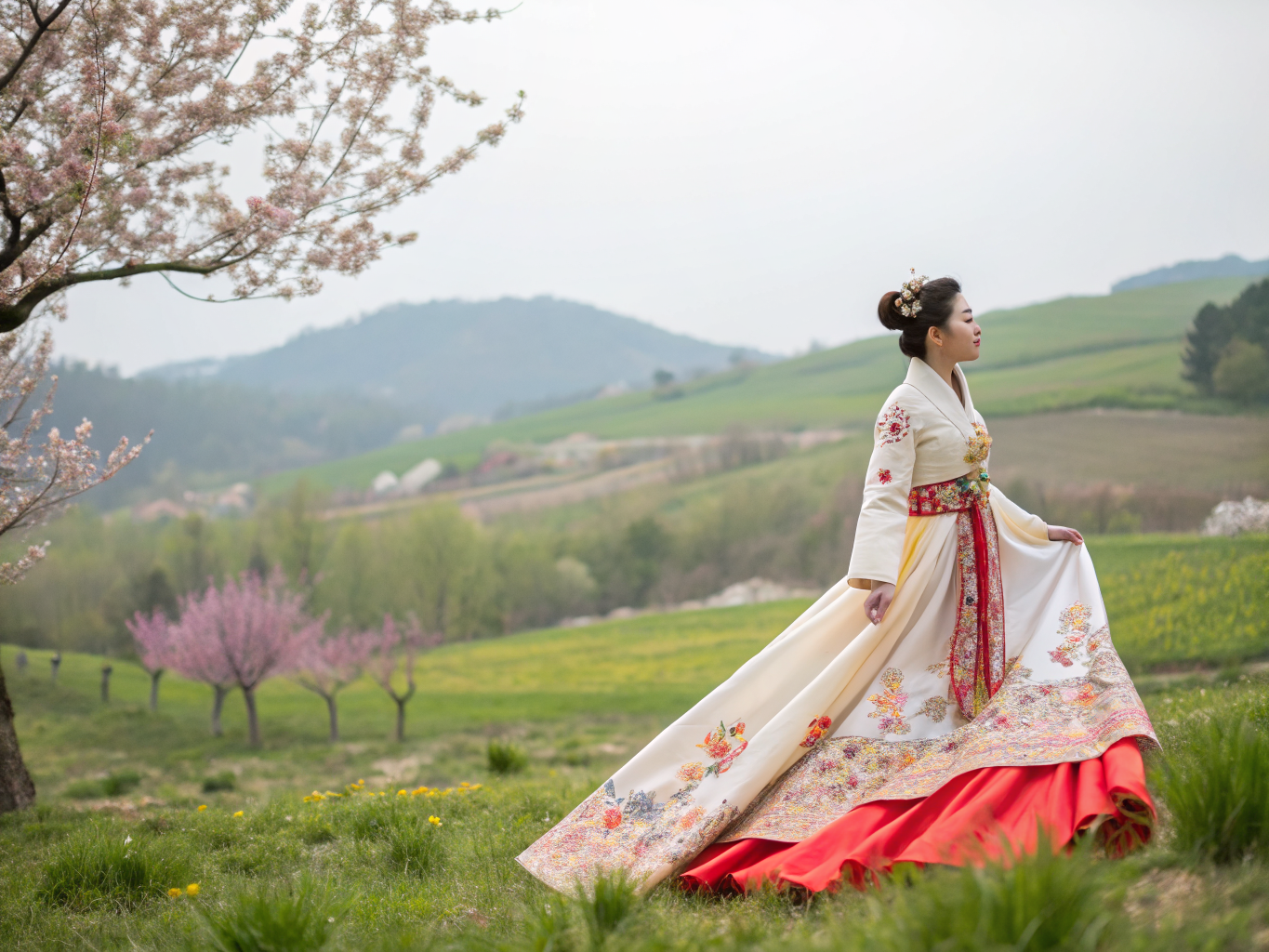
Embrace soft pastels – think cherry blossom pink jeogori paired with cream chima. Add fresh flower hairpins that echo the seasonal blooms. The gentle colors photograph beautifully against spring garden backdrops.
Summer Ceremonies:
Opt for lighter fabrics and brighter hues. A coral or peach combination feels festive and photographs vibrantly. Choose ramie or silk-blend fabrics for better breathability.
Autumn Celebrations:
This is when the Korean traditional wedding dress truly shines. Deep burgundy, burnt orange, and gold combinations mirror the falling leaves spectacularly. Consider embroidery featuring chrysanthemums, the autumn flower of Korea.
Winter Weddings:
Rich jewel tones like emerald green or deep navy create dramatic impact against snowy backdrops. Add a traditional durumagi (overcoat) for warmth and added visual interest.
For Petite Brides:
Ankle-length chima and delicate, small-scale embroidery patterns will maintain proportion. Avoid oversized hairpieces that can overwhelm your frame.
For Multicultural Weddings:
Many brides choose to wear their Korean traditional dress for the ceremony and change into a Western gown for the reception – or vice versa. This honors both cultures beautifully while giving you two stunning looks for your photography.
Common Style Mistakes to Avoid
After years of styling brides in traditional Korean attire, I’ve seen these errors repeatedly:
Mistake #1: Incorrect Goreum Length
If your bow tails hang below your chima’s waistline, they’re too long and will create an unbalanced silhouette. The tails should reach approximately mid-abdomen.
The Fix: Request custom goreum length when ordering, or have your seamstress adjust.
Mistake #2: Wrong Undergarment Choices
Modern bras with visible straps or back closures create unsightly bumps under the smooth jeogori.
The Fix: Invest in a traditional sokjeogori or wear a strapless, seamless bra in nude tones.
Mistake #3: Ignoring the Chima Positioning
A chima that sits at your natural waist (rather than below the bust) looks frumpy and loses that elegant elongation.
The Fix: Always check side-profile positioning in a full-length mirror.
Mistake #4: Overaccessorizing
The hanbok itself is a statement. Adding excessive jewelry competes with the garment’s natural beauty.
The Fix: Choose one statement piece (headpiece OR elaborate earrings, not both) and keep everything else minimal.
Mistake #5: Neglecting the Back View
Your photographer will capture you from all angles. Ensure the back ties are neat, the fabric drapes properly, and the chima doesn’t bunch.
The Fix: Have your stylist check all 360 degrees before you walk down the aisle.
Clothing Care & Storage Tips
Your Korean traditional wedding dress deserves proper care to maintain its beauty for years – or generations – to come.
Immediate Post-Wedding Care:
- Hang the hanbok immediately after wearing to release any wrinkles
- Spot-clean any visible stains with a damp cloth and gentle silk-safe solution
- Allow to air completely before storing (24-48 hours)
Professional Cleaning:
Always choose a dry cleaner experienced with silk and delicate embroidery. Traditional Korean cleaners often offer specialized hanbok services. Expect to pay $75-150 for proper cleaning.
Long-Term Storage:
- Use acid-free tissue paper between layers to prevent color transfer
- Store in a breathable garment bag – never plastic, which traps moisture
- Add natural cedar blocks or lavender sachets to deter moths
- Store flat if possible; hanging heavy silk for extended periods can cause stretching
Pro Tip: Check your stored hanbok annually. Refold it along different creases to prevent permanent lines in the silk.
Conclusion: Embrace the Beauty of Korean Bridal Tradition
The Korean traditional wedding dress represents so much more than fashion – it’s a celebration of heritage, craftsmanship, and timeless beauty. Whether you’re drawn to the vibrant colors, the flattering silhouette, or the deep cultural significance, choosing a hanbok for your wedding day is a decision you’ll never regret.
Remember these key takeaways:
- Plan extra styling time (2-2.5 hours) for your complete hanbok look
- Invest in proper undergarments for the smoothest silhouette
- Practice your goreum tie until it becomes second nature
- Choose sustainable options when possible
- Care for your garment properly so future generations can treasure it
Ready to start your Korean bridal journey? Explore our seasonal styling guides, share your hanbok photos with our community, or book a consultation with a traditional Korean bridal specialist. Your wedding day deserves nothing less than the magic of this extraordinary dress.
FAQs About Korean Traditional Wedding Dress
Can non-Korean brides wear a traditional hanbok?
Absolutely! Korean culture celebrates the sharing of traditions. Many Korean designers welcome brides of all backgrounds who appreciate and respect the garment’s significance. Wearing a hanbok with understanding and admiration is considered a beautiful form of cultural appreciation.
How much does a Korean traditional wedding dress typically cost?
Prices vary widely. Basic rental options start around $150-300, while custom-made silk hanbok with elaborate embroidery can range from $1,500 to $10,000+. Mid-range options with beautiful craftsmanship typically fall between $500-1,500.
Is the hanbok comfortable to wear for a full wedding day?
With proper undergarments and the right fabric choices, yes! The high-waisted design doesn’t restrict breathing or eating. However, many brides choose to change into a reception outfit for dancing and extended celebrations.
What colors are traditional for Korean brides?
Red and green were historically significant, representing the harmony of yin and yang. Today, brides also embrace pink, coral, gold, and even white-influenced designs while maintaining traditional silhouettes.
Can I incorporate both Korean and Western elements in my wedding attire?
This is increasingly popular! Options include wearing a hanbok-inspired overlay over a white gown, adding hanbok accessories to a Western dress, or simply changing outfits between ceremony and reception.


About author






Add comment