

Introduction
Did you know that approximately 2.5 million weddings take place in the United States each year, and nearly 30% of brides now purchase their wedding dresses online or from out-of-state boutiques? With destination weddings becoming increasingly popular and the rise of online bridal shopping, understanding how to ship a wedding dress safely in 5 easy steps has become an essential skill for modern brides, dress sellers, and even generous friends helping with the big day.
I still remember the panic in my best friend’s voice when she called me last summer. She’d found her dream vintage wedding gown from a seller across the country, and the thought of it arriving damaged kept her up at night. That experience taught us both invaluable lessons about shipping delicate bridal wear—lessons I’m thrilled to share with you today.
Whether you’re a bride shipping your dress to a destination wedding venue, a seller sending a precious gown to its new owner, or someone returning a dress after alterations, this comprehensive guide will walk you through everything you need to know. Trust me, with the right preparation and techniques, shipping your wedding dress can be completely stress-free.
Wardrobe Essentials List: What You’ll Need for Safe Wedding Dress Shipping
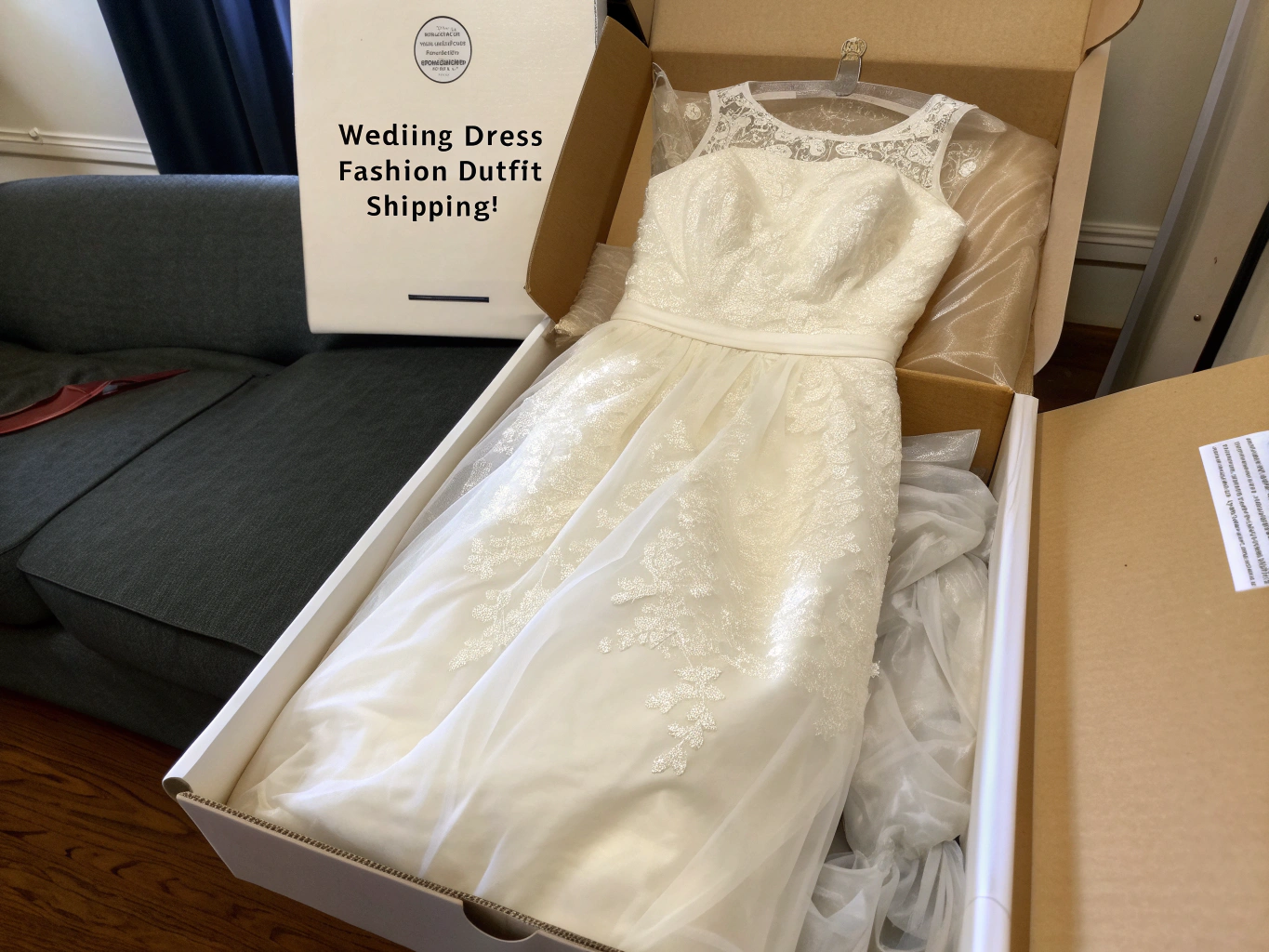
Before we dive into the step-by-step process of how to ship a wedding dress, let’s gather all the essential supplies you’ll need. Think of this as your shipping toolkit—having everything ready beforehand makes the process smoother and ensures your precious gown arrives in pristine condition.
Essential Packing Materials:
- Acid-free tissue paper: This prevents yellowing and chemical reactions with delicate fabrics. The soft, crisp texture provides gentle cushioning while protecting against moisture damage.
- A high-quality garment bag: Preferably breathable cotton or muslin rather than plastic. The fabric should feel soft and natural, allowing the dress to “breathe” during transit.
- Sturdy double-walled cardboard box: Large enough to accommodate the dress without excessive compression. Look for boxes specifically designed for wedding gowns if possible.
- Silica gel packets: These little moisture-absorbing heroes protect against humidity damage—especially crucial if shipping across different climate zones.
- Packing tape and fragile stickers: Professional-grade tape ensures your box stays sealed, while clear fragile labels communicate the package’s delicate nature.
Smart Substitutions:
If you can’t find acid-free tissue paper, swap it for clean, white cotton sheets—they’re equally gentle and completely chemical-free. Instead of purchasing a new garment bag, a freshly laundered white cotton pillowcase can work beautifully for smaller sections of the dress. And if you’re on a tight budget, clean newspaper (printed with soy-based ink) wrapped inside white tissue provides excellent cushioning without the premium price tag.
Styling Time: How Long Does It Take to Properly Pack a Wedding Dress?
Here’s the reality check that every bride needs: properly packing a wedding dress for shipping takes approximately 45 minutes to 1.5 hours, depending on the dress’s complexity and embellishments. I know that sounds like a significant time investment, but consider this—rushing through the process could cost you thousands in repairs or replacement.
According to a 2023 survey by The Knot, the average wedding dress costs $1,900, with couture gowns reaching well into five figures. Spending an hour carefully packing your dress is absolutely worth protecting that investment.
Compare this to my old approach (confession time!): I once helped a friend throw her bridesmaid dress into a regular shopping bag for shipping. It arrived wrinkled beyond recognition, and we spent three times as long dealing with emergency steaming than we would have spent packing it properly. Lesson learned—preparation saves time, money, and tears.
Pro Tip: Block out a calm, quiet afternoon for this task. Put on some relaxing music, clear a large workspace, and give yourself the gift of an unhurried packing experience. Your future self (and your dress) will thank you.
Step-by-Step Styling Guide: How to Ship a Wedding Dress Safely
Now let’s get into the heart of this guide—the 5 easy steps to ship a wedding dress that professionals use. I’ve refined these techniques through years of working with brides and bridal boutique owners, and they’ve never failed me.
Step 1: Inspect and Photograph Your Dress Thoroughly
Before touching anything else, conduct a detailed inspection of your wedding dress. This step is crucial for documentation and peace of mind.
Lay your dress on a clean, white surface (a freshly made bed works perfectly) and examine every inch. Check for loose beads, missing buttons, small tears, or existing stains. Take at least 15-20 high-quality photographs from multiple angles—close-ups of the bodice, full-length shots, details of the train, and any embellishments.
Stylist Trick: Use natural daylight for your photos. Artificial lighting can mask imperfections that might become visible later. Date-stamp your images or include a newspaper in one shot to prove when they were taken.
This documentation protects you if any damage occurs during shipping. Insurance claims require proof of the item’s condition before transit, and these photos become your evidence.
Step 2: Clean and Prepare the Dress for Packing
Never ship a wedding dress that hasn’t been properly cleaned or at least inspected for spots and odors. Even if the dress appears clean, invisible body oils and perfume residues can oxidize during storage and transit, creating permanent yellow stains.
If your dress needs professional cleaning, allow at least two weeks before your shipping date. For minor spot-cleaning, use a gentle fabric cleaner appropriate for your dress’s material—always test on an inconspicuous area first.
Once clean, allow the dress to air completely. Any trapped moisture inside the packaging can lead to mildew or fabric damage, especially during longer shipping times.
My Personal Experience: I once shipped a dress that seemed perfectly dry but had subtle dampness in the multiple layers of tulle. It arrived with a faint musty smell that required professional treatment. Now I always let dresses air for a full 24 hours before packing.
Step 3: Master the Art of Proper Folding
This is where most people make critical mistakes when learning how to ship a wedding dress. Improper folding creates deep creases that may require professional pressing—or worse, permanent damage to delicate fabrics.
Start by laying your dress face-down on a clean surface. Fold the sleeves (if applicable) across the back. Next, gently fold the sides of the bodice toward the center, creating a neat rectangular shape with the upper portion.
For the skirt, the technique depends on the style:
For A-line or ballgown skirts: Accordion-fold the skirt in wide, gentle sections (about 6-8 inches each), placing acid-free tissue paper between each fold. This creates soft, easily removable creases.
For fitted or mermaid styles: Roll the skirt gently from the hem upward, using tissue paper throughout to prevent fabric-to-fabric contact.
For trains: Fold the train separately using the accordion method, then position it on top of the folded skirt.
Stylist Trick: “Stuff” the bodice cups and any structured areas with acid-free tissue paper. This maintains shape and prevents crushing. Think of it like stuffing pillows into a decorative arrangement—you want fullness, not flatness.
Step 4: Layer Your Packaging for Maximum Protection
Think of packaging your wedding dress like dressing in layers for unpredictable weather—each layer serves a protective purpose.
First layer: Wrap the folded dress in acid-free tissue paper, ensuring all surfaces are covered. This creates a barrier against dust, moisture, and friction.
Second layer: Place the wrapped dress inside your breathable garment bag. If using a muslin bag, tie it loosely—you want protection without compression.
Third layer: Position the bagged dress inside your cardboard box. Line the bottom of the box with crumpled tissue paper or bubble wrap to create a cushioned base.
Fourth layer: Fill any remaining space with more cushioning material. Your dress shouldn’t shift when you gently shake the box. Add silica gel packets near (but not directly touching) the dress.
Final step: Seal the box securely with packing tape, reinforcing all seams. Apply “Fragile,” “Handle with Care,” and “This Side Up” stickers prominently on multiple sides.
Step 5: Choose the Right Shipping Method and Insurance
Your dress is perfectly packed—now let’s talk logistics. Choosing the right shipping method can mean the difference between a stress-free delivery and a wedding disaster.
Recommended carriers for wedding dress shipping:
FedEx Priority Overnight: Excellent tracking, insurance options up to $50,000, and reliable handling of fragile items.
UPS Next Day Air: Similar benefits with slightly different coverage options.
USPS Priority Mail Express: More affordable, with tracking and insurance up to $5,000.
Always purchase insurance that covers the full replacement value of your dress. Standard carrier liability is typically limited to $100—woefully inadequate for most wedding gowns.
Critical Details: Request signature confirmation to prevent theft or misdelivery. Choose shipping dates that avoid weekends, holidays, and extreme weather forecasts. Track your package obsessively (guilt-free!) and communicate the tracking information to your recipient.
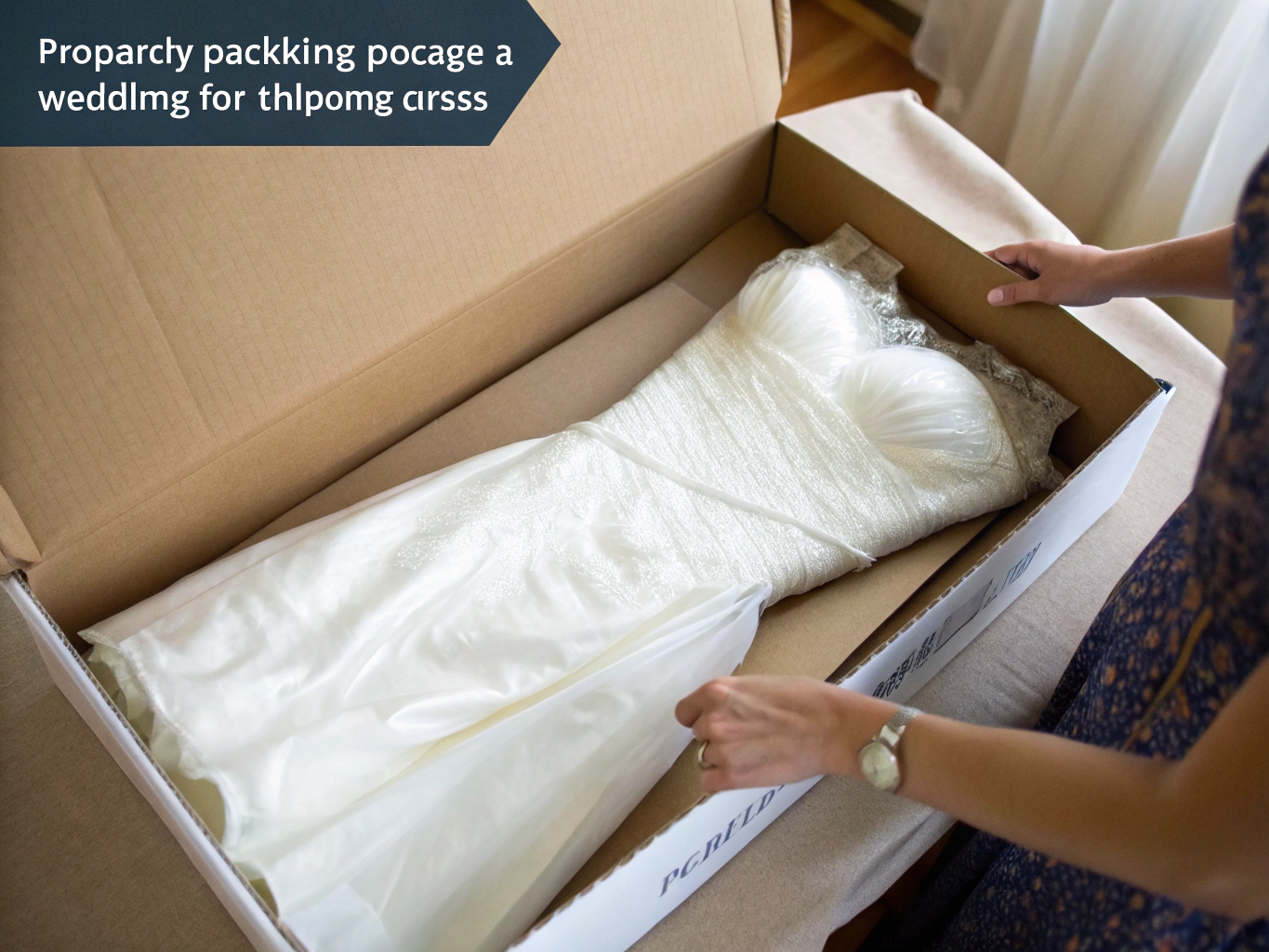
Fashion Fit & Comfort Insights: Understanding Your Dress Fabric for Shipping
Different wedding dress fabrics have unique shipping considerations. Understanding your dress’s material helps you customize your packing approach for optimal protection.
Silk and Satin: These luxurious fabrics are prone to water spots and friction marks. Extra tissue paper layering is essential, and avoiding plastic packaging is critical—silk needs to breathe. Data from textile research indicates silk loses 20% of its strength when wet, making moisture prevention paramount.
Lace and Tulle: Delicate and snag-prone, these fabrics require careful handling. Never fold lace sharply; always use gentle curves. Tulle should be loosely layered rather than compressed.
Beaded and Embellished Gowns: Heavy beading adds weight and fragility. Extra cushioning around embellished areas prevents bead loss or thread damage. I’ve personally found that these dresses benefit from interior tissue “pockets” positioned around concentrated embellishment areas.
Cotton and Linen Blends: More forgiving fabrics that recover well from creasing. Studies show cotton blends are 40% more breathable than synthetics, making them more resilient during temperature fluctuations in transit.
Sustainable & Affordable Alternatives for Wedding Dress Shipping
Not everyone has unlimited budgets for shipping supplies, and many brides today prioritize eco-conscious choices. Here are sustainable and budget-friendly alternatives that don’t sacrifice protection.
Eco-Friendly Options:
- Replace bubble wrap with biodegradable packing peanuts or recycled newspaper (wrapped in tissue)
- Use organic cotton garment bags instead of synthetic options
- Repurpose clean white sheets or muslin from fabric stores
- Choose carriers with carbon-neutral shipping programs
Budget-Conscious Strategies:
- Request free boxes from bridal boutiques—many have specialty dress boxes they’ll share
- Purchase supplies from restaurant supply stores rather than specialty packing shops
- Use USPS Priority Mail for domestic shipping (free boxes included)
- DIY your garment bag using inexpensive muslin from craft stores ($3-5 per yard)
Real Brand Recommendations: Companies like NoIssue offer custom eco-friendly tissue paper, while EcoEnclose provides 100% recycled shipping boxes that meet professional standards.
Outfit Pairing Suggestions: Coordinating Accessories for Shipping
If you’re shipping your wedding dress, you might also need to send coordinating accessories. Here’s how to handle common bridal accessories:
Veils: Roll gently around a cardboard tube (like a paper towel core covered in tissue), then wrap in tissue paper. Ship in a separate, smaller box or in a protected corner of your dress box.
Shoes: Stuff with tissue paper to maintain shape, wrap individually, and position where they won’t press against the dress.
Headpieces and Jewelry: Pack separately in small boxes with individual compartments. Never allow metal accessories to touch fabric—moisture can cause tarnishing that transfers to delicate materials.
Personalized Tip: If you’re petite, consider shipping your dress and alterations-related items separately. This allows for last-minute hem adjustments at your destination.
Common Style Mistakes to Avoid When Shipping a Wedding Dress
Even well-intentioned shippers make these common errors. Learn from these mistakes so your dress arrives wedding-ready.
Mistake #1: Using Plastic Garment Bags
Plastic traps moisture and prevents fabric from breathing, leading to mildew or yellowing. Always choose breathable cotton or muslin alternatives.
Mistake #2: Over-Compressing the Dress
Cramming your dress into too-small packaging creates permanent creases. Your box should be large enough for proper cushioning.
Mistake #3: Skipping Insurance
“It won’t happen to me” thinking costs brides thousands annually. Statistics show that approximately 1.7% of shipped packages experience damage or loss—not odds worth betting your wedding dress on.
Mistake #4: Poor Timing
Shipping too close to your wedding date leaves no buffer for delays. Aim for arrival at least 7-10 days before the event.
Mistake #5: Neglecting Weather Considerations
Shipping during extreme heat or cold affects fabric integrity. Heat can melt synthetic embellishments, while freezing temperatures may crack delicate beading.
Clothing Care & Storage Tips: What to Do When Your Dress Arrives
Your dress has arrived safely—congratulations! But your job isn’t quite finished. Proper unpacking and immediate care ensure your dress looks perfect for the big day.
Upon Arrival:
- Open the box immediately and remove the dress from packaging
- Allow the dress to “breathe” by hanging it in a well-ventilated area
- Inspect for any transit damage and document with photos
- If creased, hang in a bathroom while running hot water (steam method) or consult a professional steamer
Pro Tip: Never use a regular iron directly on wedding dress fabric. The heat can melt synthetic fibers, create shine marks on satin, or flatten delicate embellishments. Professional bridal steamers are always the safest choice.
Storage Note: If your dress arrives well before the wedding, store it in a breathable garment bag away from direct sunlight, heat sources, and humidity. Avoid wire hangers—they can distort shoulders and create rust marks.
Conclusion
Mastering how to ship a wedding dress safely in 5 easy steps transforms a potentially stressful experience into a completely manageable task. By gathering proper supplies, documenting your dress’s condition, folding with intention, layering your packaging, and choosing smart shipping options, you protect one of the most meaningful garments you’ll ever own.
Remember, the 45 minutes to an hour you invest in proper packing is infinitely better than the heartbreak of a damaged gown. Your wedding dress carries dreams, memories, and immense sentimental value—it deserves thoughtful handling every step of its journey.
Now that you’re equipped with professional shipping knowledge, you can approach this task with confidence. Try these techniques, share your experience in the comments, or explore our guides on wedding day styling and bridal accessory care. Your dream dress deserves to arrive as beautiful as the day you fell in love with it.
FAQs
How much does it cost to ship a wedding dress?
Shipping costs typically range from $30-150 domestically, depending on weight, speed, and insurance coverage. International shipping may cost $100-400. Always factor in insurance costs when budgeting.
Can I ship my wedding dress internationally?
Absolutely! However, research your destination country’s customs requirements. Some countries have import duties on clothing, and you may need to declare the dress’s value. Allow extra time for customs processing.
What’s the safest way to ship a wedding dress?
The safest method combines proper acid-free packing materials, a breathable garment bag, sturdy double-walled boxing, comprehensive insurance, and expedited shipping with signature confirmation.
How far in advance should I ship my wedding dress?
Plan for your dress to arrive 7-14 days before your wedding. This buffer allows for unforeseen delays and time for professional pressing if needed.
Will my dress get wrinkled during shipping?
Some creasing is normal, but proper folding with tissue paper creates soft, temporary creases that release with steaming. Professional steaming typically removes all transit creases within 24 hours.
Should I ship my wedding dress with accessories?
For valuable or delicate accessories, separate shipping reduces risk. However, if shipping together, ensure accessories are individually wrapped and cannot contact the dress fabric.
For more bridal styling tips, seasonal fashion guides, and expert clothing care advice, explore our complete collection of fashion resources. Your style journey continues here.


About author























Add comment