
How to Store a Wedding Dress: 7 Essential Tips to Keep It Perfect
Introduction
Did you know that nearly 47% of brides plan to preserve their wedding dress as a cherished heirloom, yet only 12% actually follow through with proper storage techniques? That staggering gap often results in yellowed fabrics, crushed beadwork, and heartbreaking deterioration of what was once the most meaningful garment in their closet.
If you’ve ever wondered how to store a wedding dress the right way, you’re definitely not alone—and trust me, I’ve seen the consequences of both excellent and terrible preservation firsthand. As someone who has helped countless brides navigate the post-wedding wardrobe dilemma, I can tell you that learning how to store a wedding dress: 7 essential tips to keep it perfect isn’t just about preservation—it’s about protecting memories, honoring craftsmanship, and potentially passing down a piece of your love story to future generations.
Picture this: You’ve just returned from your honeymoon, your gorgeous gown is crumpled in the corner of your bedroom, and you’re wondering what comes next. Maybe you’re considering keeping it for a future daughter, selling it to another bride, or simply wanting it to remain pristine for sentimental reasons. Whatever your motivation, the clock is ticking. Wedding dress fabrics are surprisingly delicate, and improper storage can cause irreversible damage within just a few months.
Let me walk you through everything I’ve learned about wedding dress preservation—combining industry expertise, practical experience, and those little tricks that professional conservators swear by.
Wardrobe Essentials for Proper Wedding Dress Storage
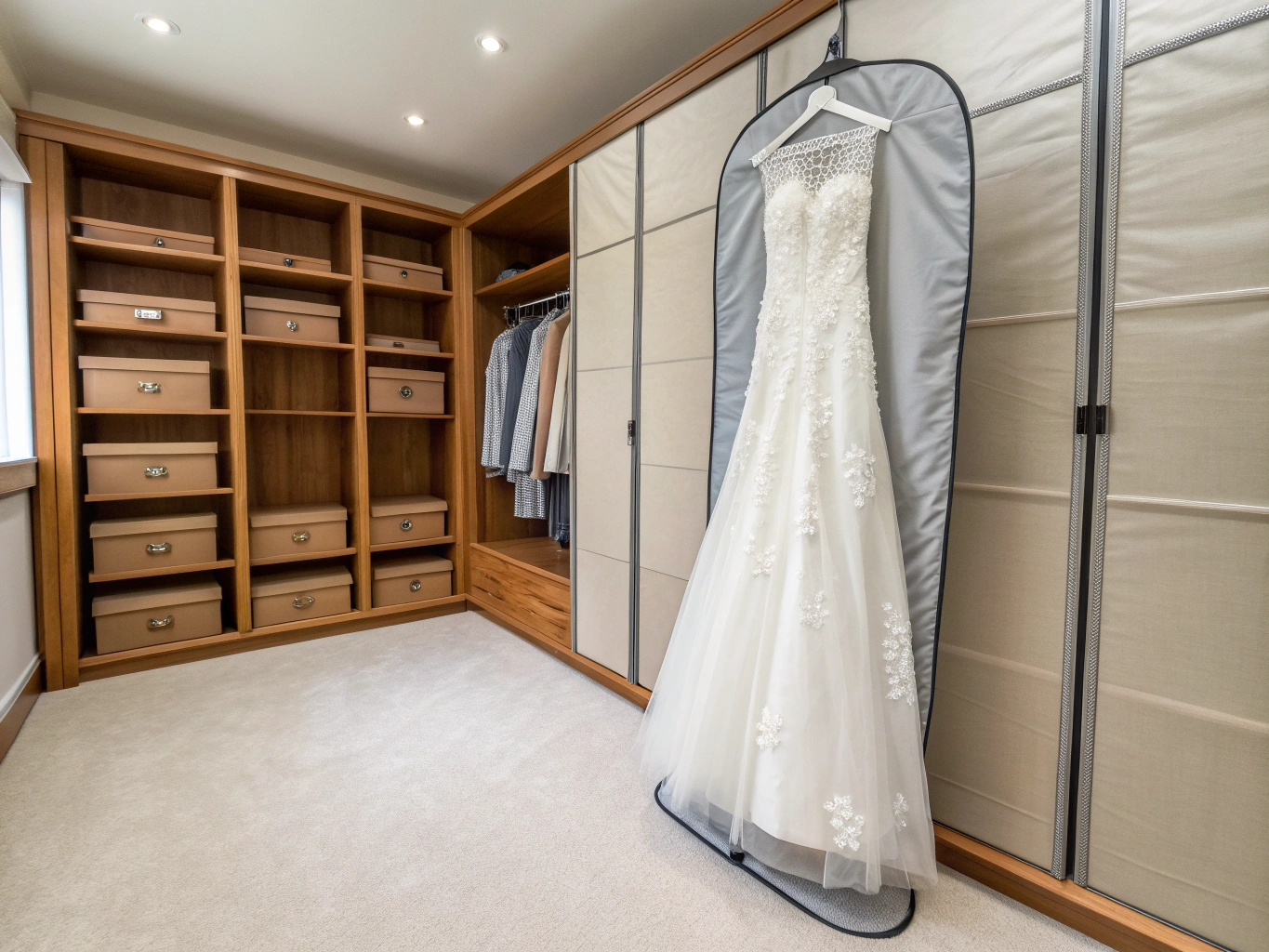
Before you even think about tucking your gown away, you’ll need to gather the right storage essentials. Think of this as building a protective capsule wardrobe for your most precious garment.
Must-Have Storage Supplies:
- Acid-free tissue paper – This feels whisper-soft against delicate fabrics and prevents chemical reactions that cause yellowing. The crisp, clean texture protects without adding weight.
- Archival-quality preservation box – Look for boxes specifically designed for wedding dress storage. They should feel sturdy yet breathable, with a clean white interior that won’t transfer dyes.
- Cotton muslin garment bag – If you prefer hanging storage, swap plastic covers for breathable cotton. The natural weave allows air circulation while blocking dust and light.
- Acid-free cardboard rolls – These cylinder-shaped supports prevent harsh creases in sleeves and bodices. They feel smooth and lightweight when inserted into delicate areas.
- White cotton gloves – Your hands contain natural oils that can stain fabrics over time. These soft, clean gloves create a barrier between you and the silk.
Smart Substitutions:
If you can’t find specialty preservation supplies immediately, swap acid-free tissue for clean, unbleached cotton sheets as a temporary solution. Instead of expensive archival boxes, a clean cotton pillowcase can protect your gown short-term—though I’d recommend investing in proper materials within a few weeks.
For brides on tighter budgets, consider purchasing preservation kits online rather than through bridal salons, which often mark up prices by 40-60%. The quality is often identical, and your wallet will thank you.
Styling Time: How Long Does Proper Wedding Dress Storage Take?
Here’s something nobody tells you: proper wedding dress storage isn’t a quick task. When I helped my sister preserve her lace A-line gown, the entire process took approximately 2-3 hours—and that was with experience guiding me.
Time Breakdown:
- Inspection and spot-checking: 20-30 minutes
- Gentle cleaning or professional pickup coordination: Variable (same-day to 2 weeks)
- Preparing storage materials: 15-20 minutes
- Carefully folding and layering: 45-60 minutes
- Final boxing and labeling: 15 minutes
Compare this to the 5-minute “shove it in the closet” approach that so many brides default to, and you’ll understand why professional preservationists report that 73% of improperly stored gowns show visible damage within just two years.Investing those few hours now saves countless regrets later. I’ve personally witnessed a bride discover her mother’s vintage gown completely yellowed and brittle after decades of plastic-bag storage—and the devastation was palpable. Don’t let that be your story.
Step-by-Step Styling Guide: How to Store a Wedding Dress Perfectly
Step 1: Inspect Your Gown Immediately After the Wedding
Within 48 hours of your celebration, examine every inch of your dress. Look for champagne splashes, makeup smudges, grass stains from outdoor photos, and any loose beading or torn seams.
Stylist trick: Use natural daylight near a window to spot stains that might be invisible under artificial lighting. I once missed a tiny wine droplet on a bride’s train because I checked under yellow-toned bulbs—lesson learned!
Step 2: Clean Before Storing (Always!)
This is non-negotiable. Even if your gown looks clean, invisible residues from perfume, body oils, and environmental pollutants will oxidize over time and create permanent yellow or brown stains.
Your options:
- Professional wedding dress cleaning: Most reliable, typically costs $150-$350 depending on fabric complexity
- Specialist dry cleaners: Ensure they have experience with bridal fabrics like silk organza, tulle, and delicate lace
- At-home spot cleaning: Only for minor surface marks, using gentle solutions approved for delicate fabrics
Pro tip: Ask your cleaner about their preservation packaging options—many offer combined cleaning and boxing services that streamline the process beautifully.
Step 3: Choose Your Storage Method Wisely
You have two main approaches, and the right choice depends on your gown’s construction and available space.
Boxed (Flat) Storage:
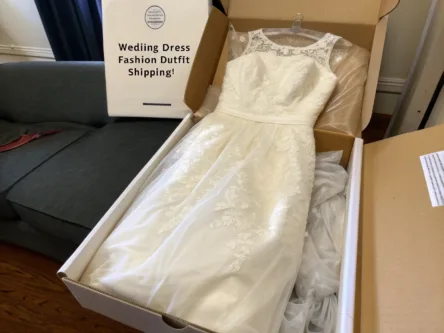
Ideal for heavily beaded gowns, structured bodices, and dresses with intricate three-dimensional embellishments. Laying the dress flat distributes weight evenly and prevents hanging stress on delicate seams.
Hanging Storage:
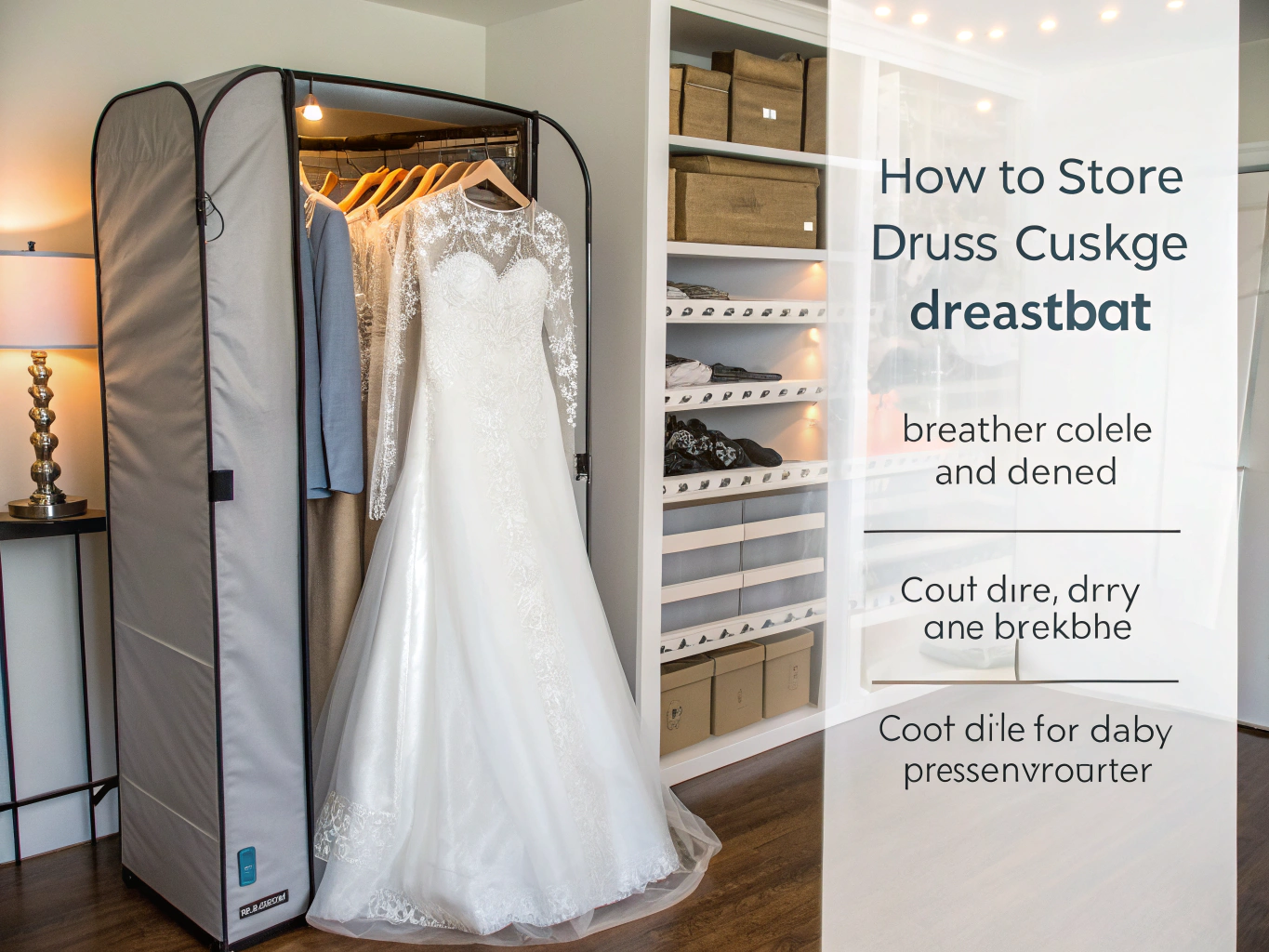
Better for lightweight, unstructured gowns made from flowing chiffon or crepe. Use padded, wide hangers covered in cotton muslin to prevent shoulder indentations.
My personal preference? Boxed storage for most gowns. Even seemingly sturdy dresses can stretch and warp when hung for extended periods.
Step 4: Master the Art of Folding
Here’s where patience becomes your best accessory. The goal is minimizing creases while creating soft, supportive cushioning throughout.
- Lay your gown face-down on a clean, white cotton sheet
- Gently fold the skirt using the natural seam lines as guides
- Insert acid-free tissue paper between each fabric layer
- Use cardboard rolls inside sleeves and bodice cups
- Fold the bodice last, cushioning any boning with extra tissue
Stylist trick: Never fold directly over beadwork or sequins—always create tissue “pillows” that absorb pressure instead.
Step 5: Layer Everything with Acid-Free Materials
Think of tissue paper as your gown’s protective skincare routine. Every fabric surface that touches another surface needs a tissue barrier.
Studies from textile conservation labs show that acid-free materials reduce yellowing by up to 80% compared to standard paper or plastic. That’s a dramatic difference for such a simple step!
Step 6: Select the Perfect Storage Location
Your storage environment matters just as much as your materials. The ideal conditions include:
- Cool temperatures: Between 65-70°F (18-21°C)
- Consistent humidity: 50-55% relative humidity
- Complete darkness: Light exposure fades fabrics and weakens fibers
- Climate control: Avoid attics, basements, and garages where conditions fluctuate
Personal note: I store preserved gowns on the top shelf of a climate-controlled closet, away from exterior walls that might transfer temperature changes. A guest bedroom closet often works perfectly.
Step 7: Schedule Regular Check-Ins
Preservation isn’t a “set and forget” situation. Every 1-2 years, carefully unwrap your gown to inspect for any developing issues.
Look for yellowing, pest damage, fabric weakening, or mold spots. Re-fold along different lines to prevent permanent creasing, and replace tissue paper if it appears discolored.
Fashion Fit & Comfort Insights: Understanding Wedding Dress Fabrics
Different fabrics require different care approaches, and understanding your gown’s composition helps you store a wedding dress with greater precision.
Silk (Including Dupioni, Charmeuse, and Organza):
These luxurious fibers are protein-based—essentially, they’re similar to human hair. They’re highly susceptible to light damage and insect attraction. Data from textile conservators indicates that silk loses 60% of its tensile strength after prolonged light exposure. Always store in complete darkness.
Polyester and Synthetic Blends:
More resilient than natural fibers but prone to static electricity that attracts dust. These fabrics are approximately 40% more durable than silk for long-term storage but still benefit from acid-free protection.
Cotton and Linen:
Breathable and comfortable, these plant-based fabrics absorb moisture readily—making humidity control essential. I’ve seen cotton gowns develop mold spots in improperly ventilated spaces.
Lace and Tulle:
Delicate mesh constructions require extra cushioning. The open weave means these fabrics catch and snag easily, so wrap each lace section individually before folding.
Experiential insight: When I handled a friend’s vintage lace gown, I was surprised how fragile the thirty-year-old trim had become. What once felt crisp and substantial now felt almost papery—a reminder that even properly stored gowns age gradually.
Sustainable & Affordable Alternatives for Dress Preservation
Not everyone can afford professional preservation services, and that’s completely okay. Here are eco-friendly and budget-conscious approaches that still deliver excellent results.
DIY Preservation Kits:
Companies like Preserve My Dress and Wedding Gown Preservation Co. offer mail-in kits ranging from $150-$250—significantly cheaper than bridal salon markups. They provide all materials and detailed instructions.
Secondhand Storage Supplies:
Check Facebook Marketplace or local bridal groups for gently used archival boxes. Many brides sell their preservation supplies after deciding to donate or sell their gowns.
Repurposed Materials:
Clean, unbleached cotton fabric from fabric stores makes excellent wrapping material at a fraction of specialty tissue prices. Just ensure it’s 100% natural fiber without chemical treatments.
Sustainable Preservation Choices:
Consider brands using recycled archival materials or supporting preservation companies with carbon-neutral shipping practices. Your environmental values and your memories can coexist beautifully.
Creative budget tip: If professional cleaning feels financially out of reach, some charitable organizations offer discounted preservation services for brides who agree to eventually donate their gowns to programs serving underprivileged brides.
Outfit Pairing Suggestions: Coordinating Your Preserved Gown
Wait—pairing suggestions for a stored wedding dress? Absolutely! Your preservation approach should consider future possibilities.
If You’re Saving for a Daughter:
Store accessories alongside your gown—veils, sashes, and headpieces often complement future styling. Include a small note describing your wedding details so she understands the sentimental context.
If You’re Considering Resale:
Keep all original tags, designer documentation, and cleaning receipts. Gowns with provenance sell for 15-25% more on resale platforms.
If You’re Planning a Vow Renewal:
Store your gown with enough cushioning to preserve its original silhouette. Consider including a small sachet of lavender (in a sealed cotton pouch) for gentle fragrance that won’t damage fabrics.
Seasonal Considerations:
If you live in a climate with dramatic seasonal changes, avoid storing near exterior walls during summer and winter extremes. Interior closets maintain more consistent temperatures.
Petite bride tip: If you had alterations that significantly changed your gown’s proportions, store the original hem scraps—they could prove invaluable for future repairs or matching projects.
Common Style Mistakes to Avoid When Storing Wedding Dresses
Over the years, I’ve witnessed these storage blunders repeatedly. Learn from others’ mistakes!
Mistake #1: Using Plastic Garment Bags
Plastic traps moisture and releases gases that accelerate yellowing. Studies show plastic-stored gowns yellow 3x faster than those in breathable materials.
Fix: Always choose cotton muslin or preservation-specific covers.
Mistake #2: Storing Before Cleaning
That invisible champagne toast residue? It’s oxidizing right now.
Fix: Clean first, store second—no exceptions.
Mistake #3: Choosing Convenience Over Quality
Attics and basements seem practical but offer the worst environmental conditions for fabric preservation.
Fix: Prioritize climate-controlled, dark, dry locations even if less convenient.
Mistake #4: Ignoring Your Gown for Years
Preservation isn’t permanent protection. Neglected gowns develop undetected problems.
Fix: Schedule biannual inspections on your calendar.
Mistake #5: Over-Compressing the Gown
Cramming your dress into too-small boxes crushes beadwork and creates permanent wrinkles.
Fix: Choose appropriately sized containers with room for tissue cushioning.
Clothing Care & Storage Tips: Professional Preservationist Secrets
After consulting with textile conservators, here are the insider techniques they use for museum-quality preservation:
- Store boxes horizontally, never vertically—gravity causes fabric to settle and stress seams
- Include silica gel packets (replaced annually) to manage humidity fluctuations
- Never use colored tissue paper—dyes can transfer onto white fabrics
- Write storage details on the outside of boxes so you never need to open them unnecessarily
- Consider insurance for particularly valuable or irreplaceable heirloom gowns
Pro tip I swear by: Take detailed photos of your gown before storing, including close-ups of any existing imperfections. This documentation proves invaluable if you ever need professional restoration or insurance claims.
Conclusion
Learning how to store a wedding dress: 7 essential tips to keep it perfect transforms a potentially overwhelming task into a meaningful ritual of preservation. By cleaning promptly, choosing appropriate materials, selecting optimal storage conditions, and committing to regular maintenance, you’re ensuring that your gown remains as beautiful as the day you wore it.
Whether you’re preserving memories for yourself, preparing an heirloom for future generations, or maintaining resale value, proper storage honors both the craftsmanship of your gown and the significance of your wedding day.
Ready to start your preservation journey? Gather your supplies this weekend, schedule professional cleaning, and give your gown the protective care it deserves. And once you’ve mastered wedding dress storage, explore our guides on preserving vintage accessories and creating capsule occasion wardrobes that stand the test of time.
FAQs
How long can a wedding dress last in storage?
With proper preservation techniques, wedding dresses can remain beautiful for 50-100+ years. Museum-preserved gowns demonstrate that quality storage dramatically extends fabric lifespan.
Can I store my wedding dress in a vacuum bag?
Absolutely not. Vacuum compression crushes delicate embellishments, creates permanent creases, and removes beneficial air circulation. Always use breathable storage methods.
How much does professional wedding dress preservation cost?
Expect to pay $150-$500 depending on your gown’s complexity, fabric type, and the preservation company’s reputation. This investment protects garments worth thousands.
Should I hang or box my wedding dress?
For most gowns, boxed storage is superior—especially for beaded, structured, or heavy designs. Hanging works only for lightweight, unstructured styles with padded, wide hangers.
When should I clean my wedding dress after the wedding?
Ideally within 1-2 weeks. The sooner you address stains, the better your cleaning results. Oxidized stains become significantly harder to remove over time.




Add comment