No products in the cart.
 03Nov
03Nov 

Did you know that studies show judges and juries form impressions within the first 7 seconds of seeing you, and approximately 55% of that impression comes from your appearance alone? In a space where credibility matters more than anywhere else, your wardrobe choices can silently speak volumes before you even utter a single word.
Understanding how to dress for court: 7 essential tips for success isn’t just about following a rigid dress code—it’s about strategically communicating respect, professionalism, and trustworthiness through every stitch and seam you wear. Whether you’re attending as a witness, plaintiff, defendant, or simply supporting someone you love, your courtroom attire sends powerful signals to everyone in that room.
I remember the first time I helped a friend prepare for her custody hearing. She pulled out a stunning red cocktail dress, convinced it would make her look “put together.” After a gentle conversation about courtroom psychology and the messages certain colors send, we pivoted to a sophisticated navy shift dress with minimal jewelry. She later told me she felt confident, respected, and genuinely heard during her testimony. That experience taught me how profoundly clothing shapes both perception and personal confidence in high-stakes environments.
In this comprehensive guide, I’ll walk you through everything you need to know about courtroom dressing—from essential wardrobe pieces to common mistakes that could undermine your credibility. Let’s transform this potentially stressful styling challenge into an opportunity to present your absolute best self.
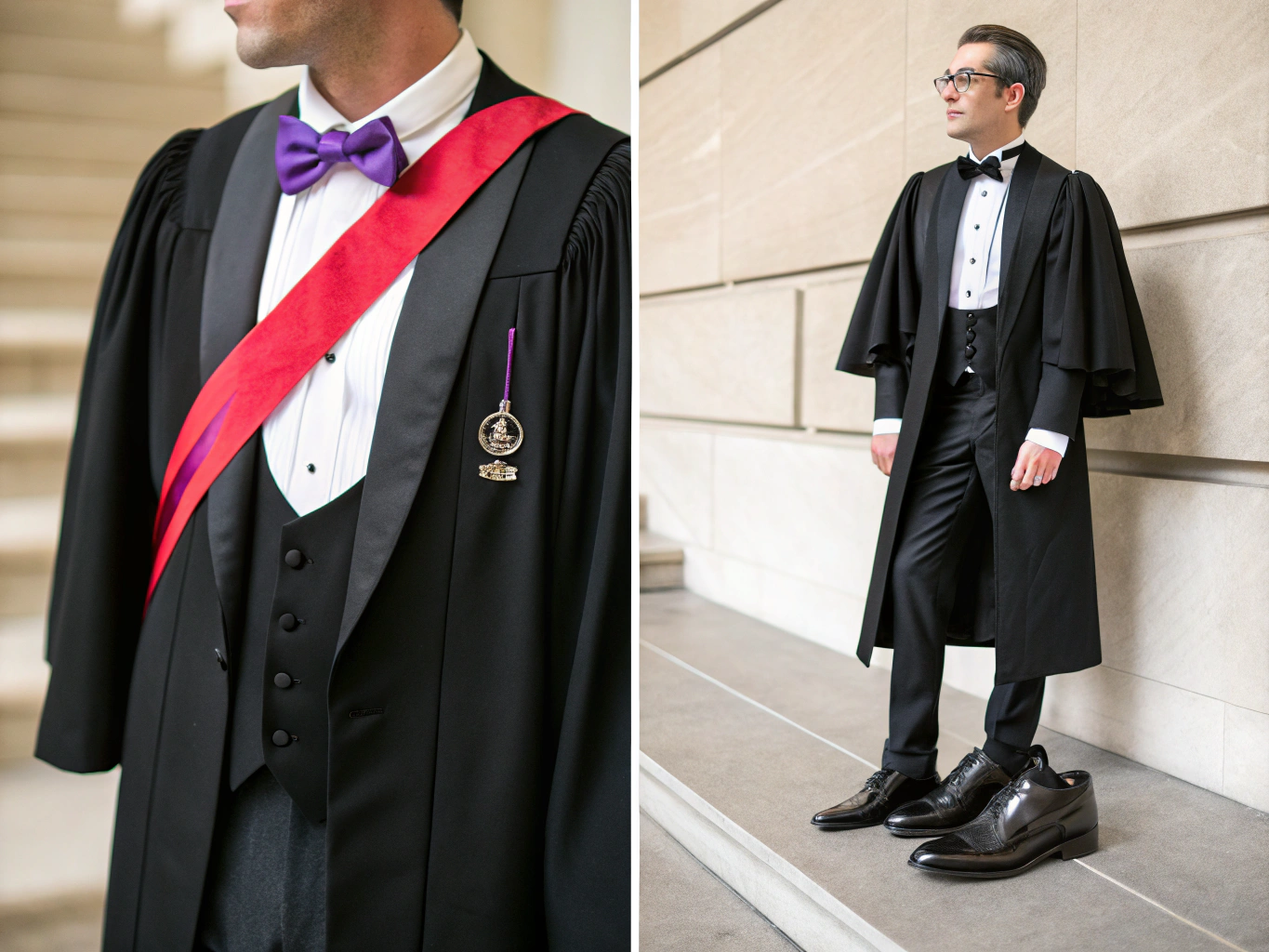
Building a courtroom-appropriate wardrobe doesn’t require emptying your savings account or purchasing entirely new pieces. Often, the most powerful court outfits come from thoughtfully combining existing closet staples with one or two strategic additions.
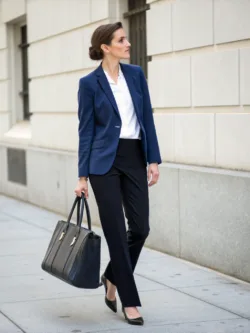
Primary Pieces:
Smart Substitutions:
If you don’t own a traditional blazer, swap for a structured cardigan in fine-gauge wool—it delivers similar formality with softer energy. For those uncomfortable in pencil skirts, A-line midi skirts provide equal coverage with enhanced comfort.
Primary Pieces:
Smart Substitutions:
Don’t own a full suit? A sport coat paired with non-matching dress trousers works beautifully—just keep colors coordinated and conservative.
Let me be completely honest with you: preparing a proper court outfit shouldn’t happen the morning of your appearance. Based on my experience styling clients for important events, I recommend allowing 45-60 minutes for outfit preparation the evening before, followed by 20-25 minutes for dressing and final touches the morning of.
Here’s why this matters: According to research from the American Psychological Association, morning stress significantly impacts cognitive performance throughout the day. If you’re fumbling with wrinkled shirts or searching for matching shoes while watching the clock, you’ll arrive at court already depleted—hardly ideal for presenting yourself confidently.
Compare this to my “court capsule” approach: when I helped my cousin prepare for jury duty, we spent one focused evening selecting and pressing his outfit, shining his shoes, and laying everything out systematically. The morning of, he was dressed and ready in under 15 minutes, leaving ample time for a calm breakfast and mental preparation. He reported feeling remarkably more composed than colleagues who’d rushed.
Time-Saving Data Point: A 2023 wardrobe efficiency study found that pre-planning outfits reduces morning decision fatigue by approximately 40% and decreases the likelihood of last-minute outfit changes by 67%.
Begin with properly fitted undergarments that won’t create visible lines or discomfort during extended sitting. For women, a smooth T-shirt bra in nude tones works beautifully under lighter blouses. Men should choose a fitted undershirt to absorb perspiration and prevent dress shirt transparency.
Stylist Trick: Test your foundation layers by sitting in front of a mirror for 5 minutes. If anything shifts, bunches, or becomes visible, adjust before court day.
Pull on your dress shirt or blouse first. Button completely, then tuck smoothly into your bottoms. For an instantly polished appearance, try the “military tuck”—pinch excess fabric at your side seams and fold it back, creating a slimmer silhouette without bulk.
Add your trousers or skirt, ensuring they sit at your natural waist (not hips). Belts should be simple leather in colors matching your shoes.
Your blazer or suit jacket transforms the entire look from “nice outfit” to “I take this seriously.” When putting on your jacket, extend your arms forward slightly to settle the shoulders correctly. Button your single-breasted jacket’s top or middle button (never the bottom), and leave it unbuttoned when seated.
Stylist Trick: Stand sideways in the mirror. Your jacket should lie flat against your back without pulling or bunching—if it does, you likely need alterations.
Select your watch, minimal jewelry, and professional bag or briefcase. Everything you carry should look intentional and organized. Avoid oversized totes, flashy logos, or casual backpacks.
For women, hosiery in nude or sheer black adds polish—especially important for conservative courtroom settings. Men should double-check tie length (the tip should reach your belt buckle) and ensure collar stays are in place.
Conduct a 360-degree inspection. Look for hanging threads, lint, scuffs, or wrinkles. Smooth your hair, confirm your outfit photographs well (helpful for documenting what you wore), and practice sitting/standing to ensure nothing rides up or gaps awkwardly.
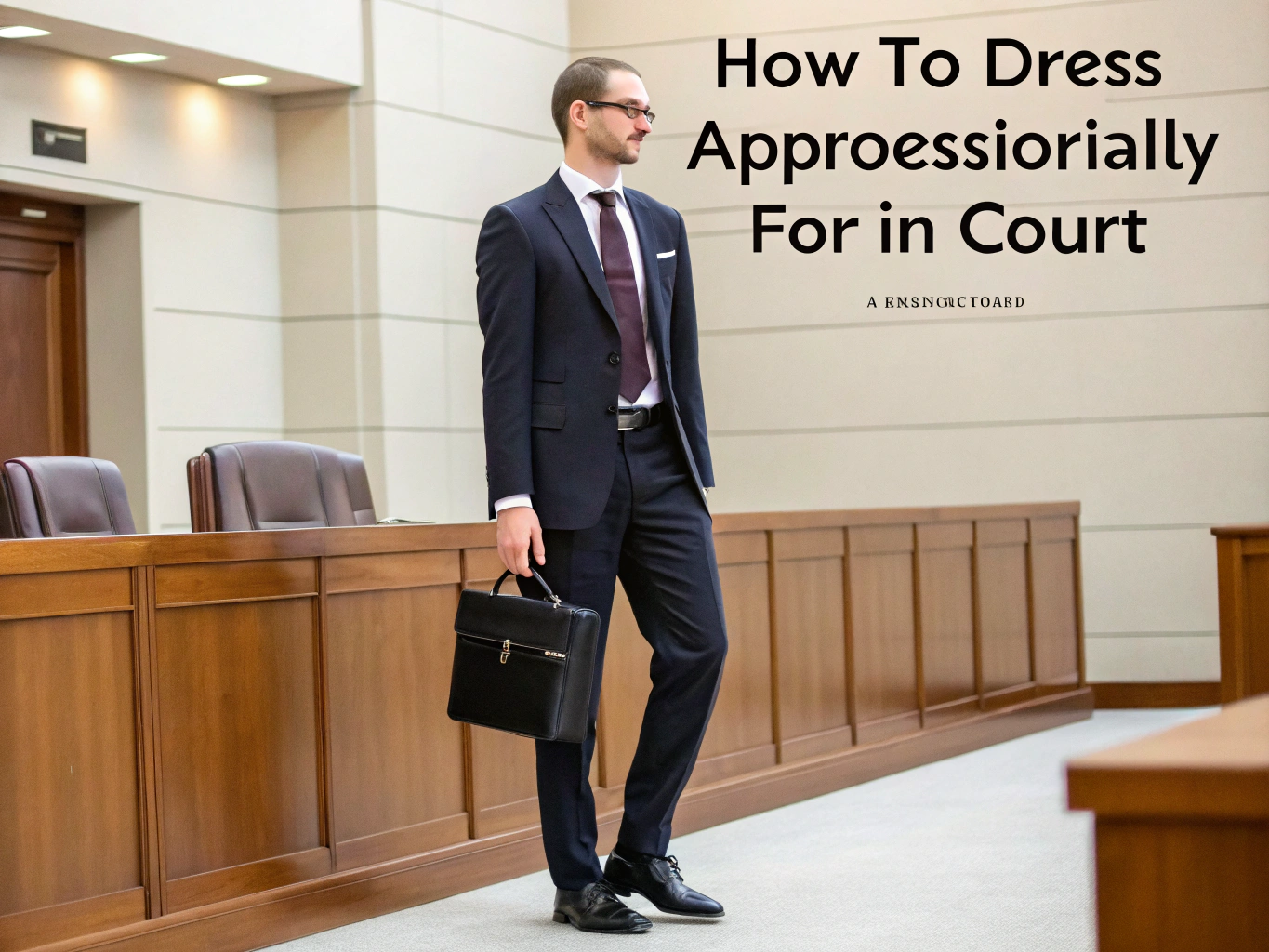
Courtroom appearances often involve extended periods of sitting, standing, and walking—sometimes lasting hours. Your clothing must balance professionalism with genuine physical comfort.
Fabric Recommendations:
Choose natural fibers whenever possible. Cotton blends are approximately 40% more breathable than synthetic alternatives, according to textile research from the International Journal of Clothing Science. Wool, while warm, offers excellent temperature regulation and naturally resists wrinkles during long days.
I once wore a stunning polyester blend blazer to observe a friend’s civil hearing. By mid-morning, I was uncomfortably warm and constantly adjusting. Lesson learned: save synthetics for climate-controlled fashion events, not unpredictable courthouse environments.
Fit Considerations:
Experiential Note: During a particularly warm June courthouse visit, I noticed attendees in natural linen blends appearing remarkably more comfortable than those in tightly woven polyester. The slight texture of quality linen actually read as sophisticated rather than casual in that context.
Dressing appropriately for court shouldn’t require purchasing fast fashion or straining your budget—especially if you’re already managing legal expenses.
Budget-Friendly Options:
Sustainable Choices:
Look for brands committed to ethical manufacturing: Everlane, Quince, and Reformation offer professional pieces with transparent supply chains. Alternatively, purchasing secondhand reduces textile waste while accessing higher-quality construction than similarly-priced new items.
Creative Solutions:
If budget is truly constrained, many courthouses maintain connections with local organizations providing interview/court attire. Don’t hesitate to ask court administrators about these resources—they exist specifically to ensure everyone can present themselves appropriately regardless of financial circumstances.
Different seasons and courtroom contexts call for thoughtful wardrobe adjustments while maintaining consistent professionalism.
Spring/Summer:
Pair a lightweight wool-blend blazer with cotton dress trousers in stone or tan. For women, a sleeveless sheath dress under a structured cardigan works beautifully—just ensure the dress alone provides adequate coverage should you become warm.
Fall/Winter:
Layer a crew-neck merino sweater between your dress shirt and suit jacket for added warmth without bulk. Women can incorporate opaque tights and ankle boots (conservative styles with low heels) while maintaining polished appearances.
Body Type Considerations:
If you’re petite, choose cropped trousers showing ankle to create vertical lines that elongate your frame. Avoid overwhelming fabrics or oversized patterns.
For taller individuals, consider slightly wider lapels and spread-collar shirts that balance broader proportions. Vertical stripes can sometimes emphasize height, so opt for solid colors or horizontal subtle textures.
Curvier figures benefit from structured blazers that define the waist, paired with trousers featuring slight stretch for comfortable sitting.
Even well-intentioned courthouse visitors frequently undermine their presentations through easily preventable style errors.
Mistake #1: Wearing New, Untested Shoes
New shoes that haven’t been broken in can cause blisters, visible discomfort, and even audible squeaking. Wear court shoes around your home for several hours before your appearance.
Mistake #2: Choosing Distracting Colors
Bright reds, electric blues, or bold patterns draw attention to your clothing rather than your words. Stick to the courtroom color palette: navy, charcoal, black, cream, and soft grey.
Mistake #3: Over-Accessorizing
Jingling bracelets, statement necklaces, or large watches create distractions. If your jewelry makes noise or catches light dramatically, leave it home.
Mistake #4: Ignoring Grooming Details
Visible roots, chipped nail polish, or unkempt facial hair undermine otherwise perfect outfits. Complete your look with fresh grooming appropriate to your personal style.
Mistake #5: Dressing Too Casually
Research indicates that overdressing slightly is always preferable to underdressing in formal settings. When uncertain, elevate your outfit one level above what seems necessary.
Maintaining courtroom-appropriate clothing ensures you’re always ready, even for unexpected appearances.
Washing Guidance:
Quality dress shirts benefit from professional laundering—the pressing techniques they use outperform home irons significantly. However, between professional cleanings, a steamer removes wrinkles without the potential shine damage from direct ironing.
For suits and blazers, spot-clean as needed and professionally dry clean only 1-2 times per season. Over-cleaning degrades wool fibers prematurely.
Storage Solutions:
Invest in quality wooden hangers for blazers and jackets—they maintain shoulder shape far better than wire or plastic alternatives. Store in breathable garment bags to prevent dust accumulation while allowing air circulation.
Pro Tip: Keep a dedicated “court ready” section in your closet with pre-assembled outfit options. Include shoes, belts, and accessories so everything remains organized and inspection-ready.
Between wears, allow garments to air out completely before returning to closet storage. This prevents odor buildup and extends time between professional cleanings.
Mastering how to dress for court: 7 essential tips for success ultimately comes down to understanding that your clothing communicates before you speak. Every choice—from fabric to fit to color—contributes to the impression you make on judges, juries, attorneys, and court staff.
The ideal courtroom wardrobe balances conservative professionalism with genuine comfort, allowing you to focus entirely on the matter at hand rather than adjusting uncomfortable garments. Remember: you’re dressing for respect, credibility, and confidence—qualities that serve you regardless of your role in court proceedings.
Start by auditing your current wardrobe against the essentials list above. Identify any gaps, plan your outfit well before your court date, and conduct a thorough try-on session including sitting and walking tests. These simple preparations transform courthouse dressing from stressful guessing into confident, intentional presentation.
Ready to elevate your professional wardrobe further? Explore our guides on building a versatile interview capsule or mastering business casual for any industry. Share your courtroom style victories with us—we’d love to celebrate your confident, polished appearances!
Avoid shorts, flip-flops, tank tops, graphic t-shirts, ripped jeans, athletic wear, or anything with offensive imagery or text. Hats (except for religious head coverings) are typically prohibited inside courtrooms. When in doubt, err toward formality.
Absolutely! Well-tailored dress trousers are completely appropriate and often more comfortable for long court days. Choose classic cuts in neutral colors, paired with a professional blouse and blazer.
Yes, black is acceptable and appropriate. However, navy and charcoal are often considered slightly more approachable while remaining equally professional. Avoid all-black outfits that might read as severe; add contrast through your shirt or blouse.
Choose lightweight natural fabrics like cotton or linen blends. Layer a structured blazer over a sleeveless top that provides coverage—you can remove the jacket if courtrooms are adequately cooled. Avoid fabrics that wrinkle dramatically when damp.
Many communities offer free professional clothing programs. Contact your local bar association, legal aid society, or court clerk’s office to ask about available resources. Libraries and community centers sometimes maintain referral lists as well.
The same professional standards apply whether you’re a juror, witness, defendant, or family member. Present yourself with equal respect regardless of your role—courts notice and appreciate this consideration.

 03Nov
03Nov  03Nov
03Nov  04Nov
04Nov  20Jan
20Jan  20Jan
20Jan  20Jan
20Jan 



 by
by