No products in the cart.
 03Nov
03Nov 

Did you know that newborns go through an average of 8 to 12 outfit changes per day during their first few weeks of life? That’s roughly 70 complete wardrobe switches every single week! If you’re a new parent staring at a pile of adorable tiny clothes wondering where to even begin, you’re definitely not alone.
Learning how to dress a newborn is one of those parenting skills that nobody really teaches you until you’re holding a squirming, delicate little human with limbs that seem impossibly fragile. Trust me, I remember standing in my nursery at 3 AM, exhausted and slightly panicked, trying to figure out how to get a onesie over my daughter’s head without feeling like I was playing a terrifying game of human origami.
Here’s the beautiful truth: once you understand the basics, dressing your newborn becomes second nature. According to a 2023 survey by the American Academy of Pediatrics, over 67% of first-time parents report feeling anxious about handling their newborns during daily care routines, with dressing being the second most stressful activity after bathing. But with the right approach, the right essentials, and a few stylist-approved tricks, you’ll transform this daily task into a bonding moment you actually look forward to.
In this comprehensive guide, I’m walking you through everything from essential wardrobe pieces to step-by-step dressing techniques, fabric considerations, and even how to avoid those common mistakes that leave both baby and parent frustrated. Whether you’re preparing for your little one’s arrival or already in the thick of new parenthood, consider this your ultimate fashion guide for the tiniest member of your family.
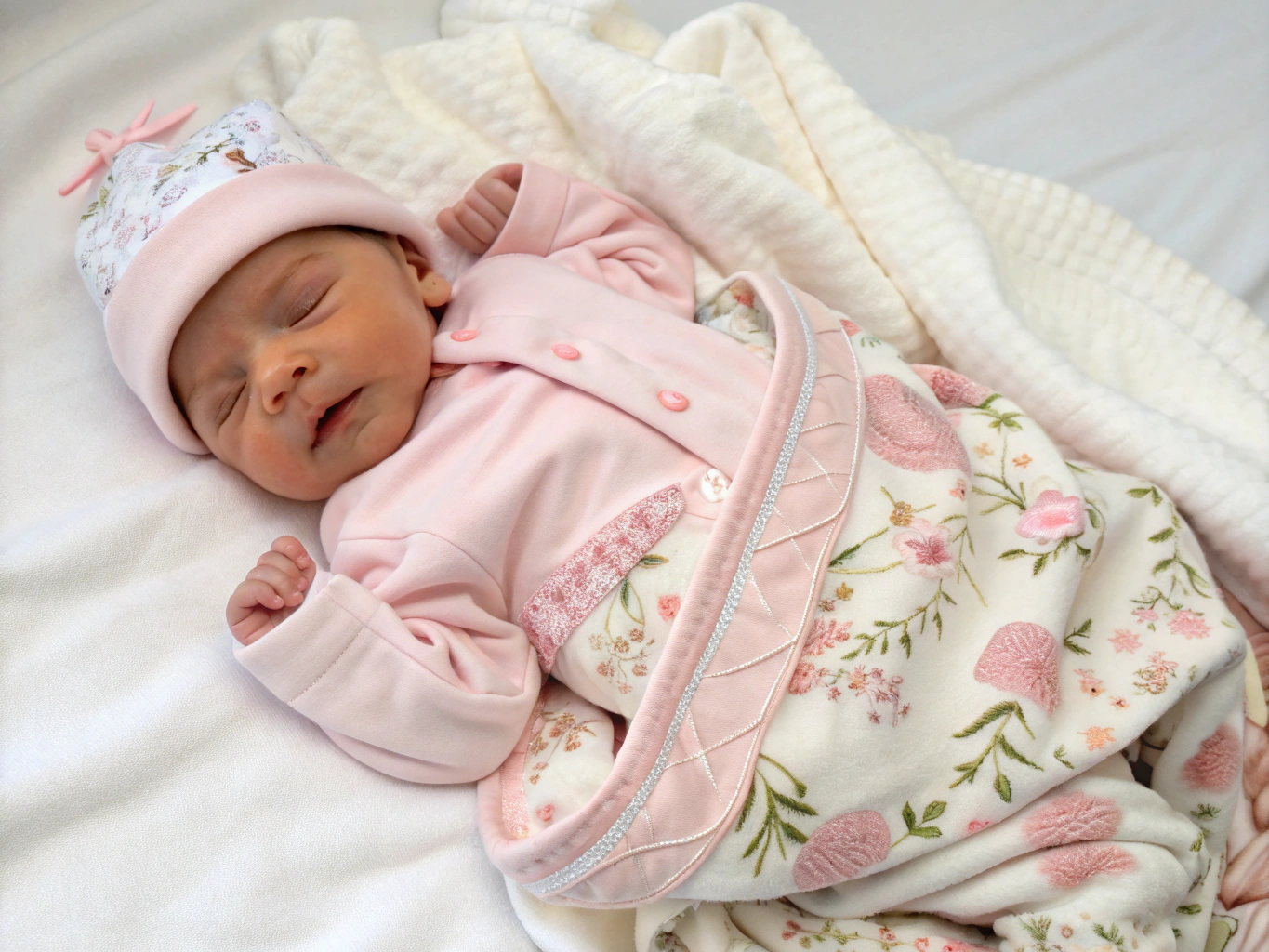
Before we dive into the actual dressing process, let’s talk about building your newborn’s capsule wardrobe. Think of this as creating a mini collection that prioritizes function, comfort, and yes—adorable style.
Bodysuits (Onesies) – These are your foundation pieces. Stock up on 7-10 short-sleeved and long-sleeved options in soft, organic cotton. The envelope neckline style is a game-changer because it allows you to pull them down over baby’s body instead of over their head during those inevitable diaper disasters. Look for buttery-soft fabrics that feel like a gentle hug against delicate newborn skin.
Sleepers with Zippers – I cannot stress this enough: choose zippers over snaps. At 2 AM when you’re half-asleep, trying to align 15 tiny snaps is a special kind of torture. Two-way zippers that open from the bottom make diaper changes infinitely easier. Aim for 5-7 sleepers in your rotation.
Kimono-Style Tops – These wrap-front designs are absolute lifesavers during the newborn stage because they don’t require anything going over baby’s head. The soft ties and crossover closure feel elegant and practical simultaneously.
Soft Cotton Pants with Wide Elastic – Skip anything with stiff waistbands or buttons. Newborn pants should slide on effortlessly and feel like wearing nothing at all. The fabric should drape softly, with a cozy, cloud-like texture.
Lightweight Cardigans or Jackets – For layering purposes, keep 2-3 easy-on cardigans handy. Think snap-front or magnetic closures in breathable knit fabrics.
Hats and Mittens – Newborns lose heat rapidly through their heads, so soft cotton beanies are essential. Scratch mittens protect those adorable faces from tiny sharp fingernails.
Swaddle Blankets – While technically not clothing, swaddles function as your newborn’s first outerwear. Muslin or bamboo blends offer the perfect balance of warmth and breathability.
Swap traditional onesies for magnetic closure bodysuits if your budget allows—they close in seconds and eliminate fumbling with snaps entirely.
Replace standard cotton sleepers with bamboo-blend options for babies with sensitive skin. Bamboo fabric is naturally hypoallergenic and incredibly silky against newborn skin.
Trade separate tops and bottoms for one-piece rompers during warmer months. Less pieces means faster dressing and fewer items to coordinate.
Here’s something that genuinely surprised me during my first weeks of parenthood: dressing a newborn efficiently is absolutely achievable, but it requires a strategic approach.
The average first-time parent spends approximately 8-12 minutes dressing their newborn during the initial weeks. However, with practice and the right wardrobe setup, this time drops dramatically to 3-5 minutes per outfit change by week six.
Compare this to my personal experience: during my daughter’s first week home, I timed myself at a frustrating 15 minutes per change because I was terrified of bending her arms wrong or pulling fabric too roughly. By week four, using the techniques I’m about to share, I had it down to under four minutes—even during midnight changes in dim lighting.
A 2022 study published in the Journal of Pediatric Nursing found that parents who established consistent dressing routines reported 43% lower stress levels during daily care compared to those who approached each change without a systematic method. That’s not just about saving time; it’s about preserving your sanity during an already exhausting period.
Now for the heart of this guide: exactly how to dress a newborn without stress, tears (yours or theirs), or that overwhelming fear of accidentally harming your precious little one.
Before you even touch your baby, gather everything within arm’s reach. Lay out the complete outfit on your changing surface—opened, unfolded, and ready to go. Place diaper supplies nearby because combining a diaper change with dressing streamlines the whole process.
Stylist trick: Create a “dressing station” with a small basket containing your essentials: a stack of onesies, sleepers, socks, and mittens. Having everything organized means never frantically searching drawers while holding a half-dressed, crying baby.
Newborns are incredibly sensitive to temperature changes. The AAP recommends keeping your home between 68-72°F (20-22°C) for optimal newborn comfort. Before undressing your baby, make sure the room is comfortably warm so they don’t become chilled and upset during the process.
Pro tip: I always kept a soft blanket nearby to drape over exposed areas while I worked on dressing other parts of her body. This maintained warmth and kept her calmer.
Here’s where most new parents panic: getting that onesie over baby’s head. Instead of attempting to pull it straight down, try this foolproof method:
First, gather the entire body of the onesie up from the bottom until you’re holding just the stretched neck opening. The fabric should be scrunched like an accordion. Then, stretch the neck opening wide with both hands—really stretch it—and slip it over the back of baby’s head first, then forward over their face in one smooth motion.
This minimizes fabric contact with baby’s face and reduces that startling “being smothered” sensation that often causes crying.
Never push or pull a newborn’s arm through a sleeve. Instead, reach your fingers through the sleeve opening from the outside, gently grasp their tiny hand, and guide the arm through as you roll the sleeve fabric back over it.
Think of it as meeting their hand inside the sleeve and escorting it through, rather than forcing it. This “reach and escort” method prevents accidentally bending tiny fingers backward or hyperextending delicate elbows.
After securing the top portion of the outfit, work downward. If using a two-piece outfit, slide pants on by scrunching the leg fabric first (similar to the onesie technique), placing baby’s foot at the opening, and gently unrolling the fabric up the leg.
Styling secret: Keep baby’s legs bent naturally in that adorable frog position rather than trying to straighten them. Newborn legs naturally curl, and fighting this only creates resistance and discomfort.
The general rule of thumb: dress your newborn in one more layer than you’re wearing. If you’re comfortable in a light sweater, baby needs a onesie plus a light layer on top.
Start with a breathable base layer (onesie), add a middle layer (pants and top or sleeper), then finish with a lightweight jacket, cardigan, or swaddle depending on the environment.
Once dressed, run your finger around necklines, cuffs, and waistbands to ensure nothing is twisted, too tight, or riding up uncomfortably. Check that no tags are scratching against skin (or better yet, choose tagless options).
Place your palm flat against baby’s chest or back of their neck—it should feel warm but not sweaty. This indicates proper layering without overheating.
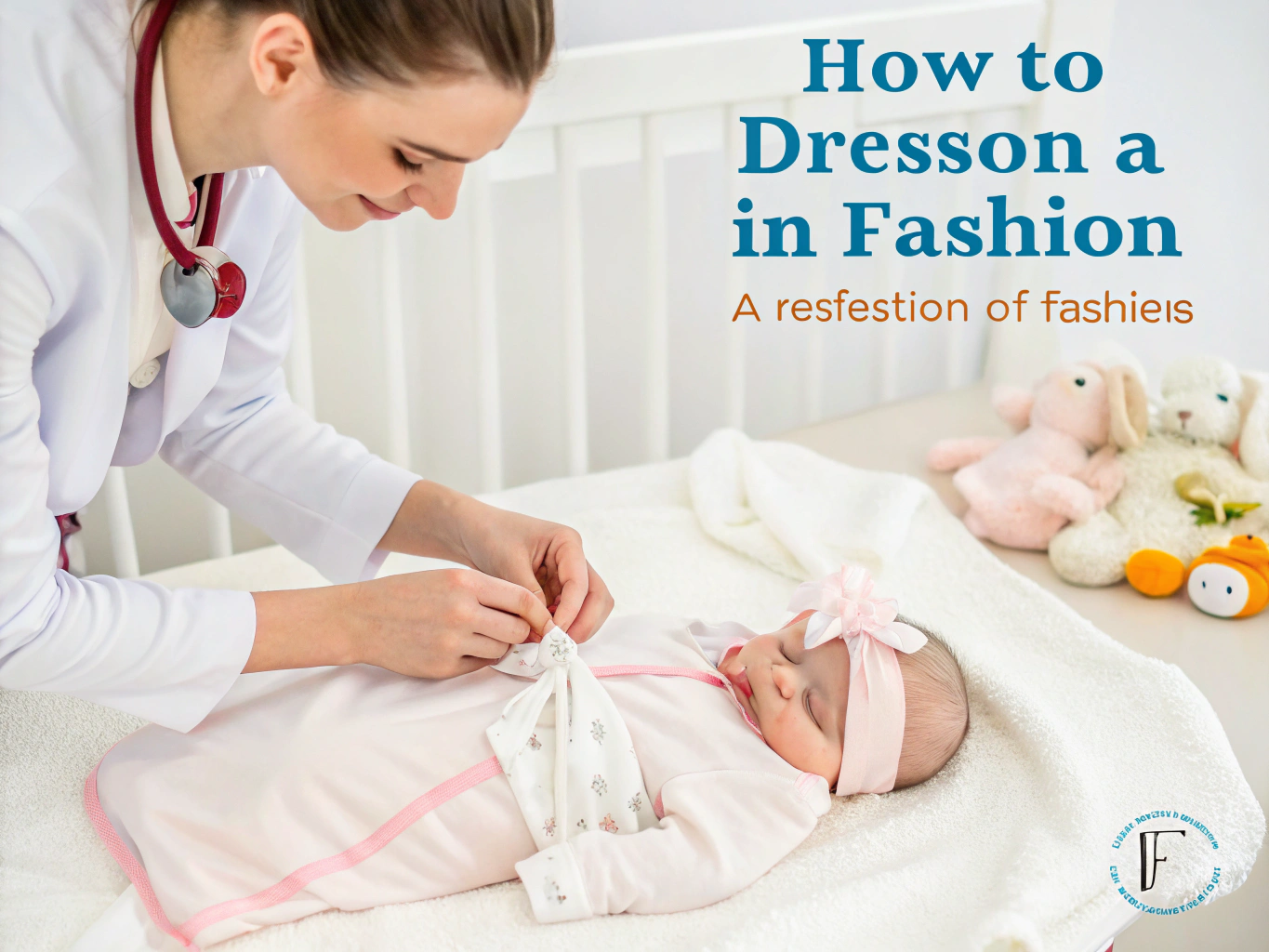
Understanding fabrics and fit transforms how to dress a newborn from a chore into an art form.
Organic cotton remains the gold standard for newborn clothing. It’s naturally soft, breathable, and free from harsh chemical treatments that could irritate sensitive skin. Studies show that organic cotton is approximately 40% more breathable than synthetic alternatives and significantly reduces the risk of skin irritation in babies with eczema-prone skin.
Bamboo fabric has emerged as a luxurious alternative, offering antibacterial properties and exceptional softness that many parents describe as feeling like silk. It’s also highly absorbent—pulling moisture away from baby’s skin rather than trapping it.
Merino wool might sound counterintuitive for babies, but high-quality, superfine merino is incredibly temperature-regulating. It keeps babies warm in cold conditions and cool when temperatures rise, making it perfect for unpredictable weather.
Newborn sizing is notoriously inconsistent across brands. I’ve seen “newborn” sizes that fit like doll clothes and others that swallowed my average-sized baby entirely.
The perfect fit allows two fingers to slip comfortably under necklines and waistbands. Clothing should skim the body without squeezing or swimming. Remember that newborns grow shockingly fast—most outgrow the “newborn” size within 4-6 weeks—so resist over-purchasing in the smallest sizes.
Personally, I found that sizing up slightly in sleepwear allowed for more comfortable sleep without restriction, while keeping daytime onesies true-to-size ensured better diaper coverage.
Dressing your newborn doesn’t require draining your savings account or ignoring your environmental values.
Organic baby brands like Burt’s Bees Baby, Kate Quinn, and Pact offer affordable organic cotton basics that are gentler on both baby and the planet. These brands use GOTS-certified organic cotton and sustainable manufacturing practices.
Secondhand shopping is perhaps the most sustainable choice possible. Newborn clothes are often worn only a handful of times before babies outgrow them, meaning secondhand pieces are frequently in near-perfect condition. Platforms like ThredUp Kids, Kidizen, and local consignment shops offer designer baby pieces at fraction of retail prices.
Clothing subscription services like Loop Baby allow you to “rent” high-quality baby clothes, return them when outgrown, and receive the next size—reducing waste while ensuring you’re never stuck with unused inventory.
Buy basics in multi-packs from reliable retailers. A 5-pack of quality bodysuits costs significantly less per piece than individual purchases.
Accept hand-me-downs graciously. These pre-worn pieces have already been washed multiple times, meaning any chemical residues from manufacturing are long gone—a hidden safety benefit.
Invest in quality for high-use items (sleepers, everyday onesies) while saving money on occasional-wear pieces (fancy outfits for photos, special occasions).
Light cotton onesies with soft bloomers or simple cotton pants create comfortable, breathable combinations. Skip socks when indoors and opt for wide-brimmed sun hats when venturing outside. Muslin swaddles double as light blankets for air-conditioned spaces.
Layer a long-sleeved onesie under a fleece-lined sleeper, then add a cozy bunting suit or warm blanket for outdoor excursions. Soft-soled booties keep tiny feet warm when footie sleepers aren’t enough.
My personal go-to was a magnetic closure bodysuit with soft cotton pants for daytime, transitioning to a two-way zipper sleeper for nighttime. This combination balanced easy changes with comfort across all activities.
Overdressing is the number one error new parents make. Research indicates that overheated babies sleep more poorly and face increased health risks. When in doubt, remove a layer rather than add one.
Choosing style over function leads to frustration. That adorable outfit with 47 decorative buttons might photograph beautifully but will cause genuine stress during actual use.
Ignoring sizing inconsistencies results in closets full of unworn clothes. Always check specific brand size charts rather than assuming standard sizing.
Forgetting to wash before wearing exposes newborn skin to manufacturing residues. Always launder new clothes with gentle, fragrance-free detergent before first use.
Wash newborn clothes separately using hypoallergenic, fragrance-free detergent. Skip fabric softeners, which can irritate sensitive skin and reduce absorbency.
Store by size and season using labeled bins or dividers. This organization system saved me countless minutes searching for specific pieces.
Check for wear regularly. Stretched elastic, thinning fabric, and pilling indicate pieces that should be retired or repurposed as burp cloths.
Mastering how to dress a newborn is genuinely one of those parenting skills that transforms from terrifying to automatic faster than you’d expect. With the right wardrobe essentials, proven techniques, and understanding of fabric and fit, you’ll navigate this daily task with confidence.
Remember: prioritize function and comfort over fashion statements, embrace the scrunch-and-slide technique, and trust your instincts. Your baby cares infinitely more about feeling secure and comfortable than about matching accessories.
Now I’d love to hear from you—what dressing challenges have you faced with your newborn? Share your experiences in the comments, try these techniques, and explore our complete baby care guides for more parenting support!
Generally, dress your newborn in one more layer than you’re comfortable wearing. Use the neck/chest touch test to ensure they’re warm but not overheated.
Healthy, full-term newborns typically don’t need hats indoors unless your home runs cool. Outdoors in cold weather, soft cotton beanies are essential since babies lose significant heat through their heads.
Keep sessions quick and calm, maintain eye contact, talk soothingly, and try distraction techniques. Some babies genuinely dislike clothing changes but typically adjust within weeks.
Change after any diaper leaks, spit-up incidents, or visible soiling. Otherwise, daily changes are sufficient unless baby seems uncomfortable.



 03Nov
03Nov  03Nov
03Nov  04Nov
04Nov  20Jan
20Jan  20Jan
20Jan  20Jan
20Jan 






 by
by