
How Much Should Wedding Dress Alterations Cost? 7 Price Factors Every Bride Needs to Know
Introduction: How Much Should Wedding Dress Alterations Cost?
Did you know that 87% of brides require some form of alteration to their wedding dress before walking down the aisle? Whether it’s a simple hem adjustment or a complete bodice reconstruction, understanding how much should wedding dress alterations cost is crucial for every bride planning her budget.
I’ll never forget sitting in my first bridal consultation, watching a tearful bride discover her “perfect” gown needed $800 in unexpected alterations. That moment sparked my decade-long obsession with understanding wedding dress pricing, fabric care, and the intricate world of bridal fashion economics.
Here’s the reality: wedding dress alterations typically range from $150 to $1,500, with the national average hovering around $500. But that number means nothing without context. Your final bill depends on seven critical price factors that most bridal consultants won’t explain upfront.
In this comprehensive guide, I’m breaking down everything you need to know about wedding dress alteration costs—from the wardrobe essentials that affect pricing to sustainable alternatives that won’t break the bank. Whether you’re working with a couture gown or a budget-friendly find, these insights will help you navigate the alteration process like a seasoned professional.
Let’s dive into the details that’ll save you both money and stress.
Wardrobe Essentials List: What Your Wedding Day Look Requires
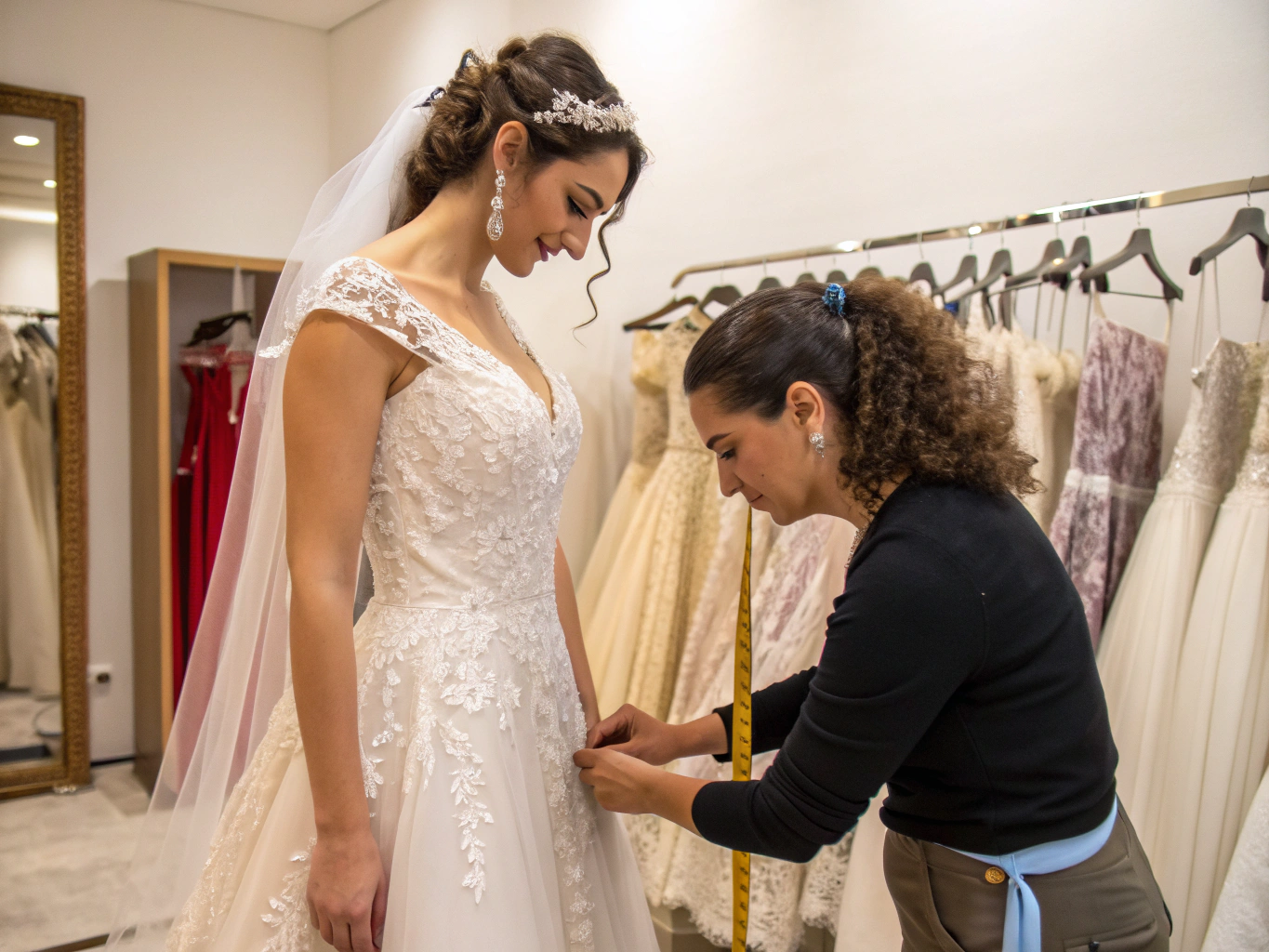
Before we explore alteration costs, let’s establish the complete bridal wardrobe picture. Understanding each component helps you allocate your alteration budget wisely.
Core Wedding Day Essentials:
- The Wedding Dress – Your centerpiece garment, typically requiring the most significant alteration investment. Look for quality construction with clean seams and adequate seam allowances for adjustments.
- Structured Undergarments – A properly fitted bustier or corset ($50-$200) can actually reduce alteration costs by providing natural lift and shaping. Swap suggestion: Consider a seamless bodysuit for simpler silhouettes.
Bridal Shapewear – Smooth foundation pieces that work with your gown’s construction. The right shapewear can eliminate the need for extensive bodice alterations.
Cathedral or Chapel Veil – Often requires hemming or bustle attachment points ($25-$75 in alterations).- Comfortable Reception Shoes – Your heel height directly impacts hem length calculations. Pro tip: Swap sky-high stilettos for elegant block heels to reduce hemming complexity and increase comfort.
Bridal Jacket or Cover-Up – A delicate lace bolero or silk capelet might need shoulder adjustments ($40-$100). Consider a vintage brooch-adorned cardigan for bohemian ceremonies.
Texture and Feeling:
The whisper of silk charmeuse against your skin, the structured confidence of a well-boned bodice, the romantic drape of soft tulle layers—these sensory experiences define your bridal moment. Each fabric tells a story and carries its own alteration complexity.
Heavier fabrics like mikado and duchess satin feel substantial and regal, while lightweight organza and chiffon create ethereal, flowing movement. Your fabric choice significantly impacts alteration pricing, which we’ll explore in detail below.
Styling Time: Planning Your Alteration Timeline
Understanding the timing involved in wedding dress alterations helps you plan effectively and avoid rush fees that inflate costs.
Standard Alteration Timeline:
| Alteration Complexity | Time Required | Recommended Start |
|---|---|---|
| Simple Hem | 1-2 weeks | 6 weeks before wedding |
| Bodice Adjustments | 2-4 weeks | 8-10 weeks before wedding |
| Major Reconstruction | 4-8 weeks | 12-16 weeks before wedding |
| Custom Additions | 6-12 weeks | 4-6 months before wedding |
According to a 2024 WeddingWire survey, brides who begin alterations at least 10 weeks before their wedding date spend 23% less on average than those who start with less than 6 weeks remaining. Rush fees can add 25-50% to your total alteration bill.
Real-Life Comparison:
“Planning my alterations timeline saved me approximately $200 compared to my sister’s last-minute scramble,” shares Jessica, a 2024 bride from Atlanta. “She paid $150 extra in rush fees alone.”
I recommend scheduling your first fitting immediately after your final dress arrives—typically 8-12 weeks before your wedding. This capsule approach to bridal planning saves time, money, and countless stress-induced decisions.
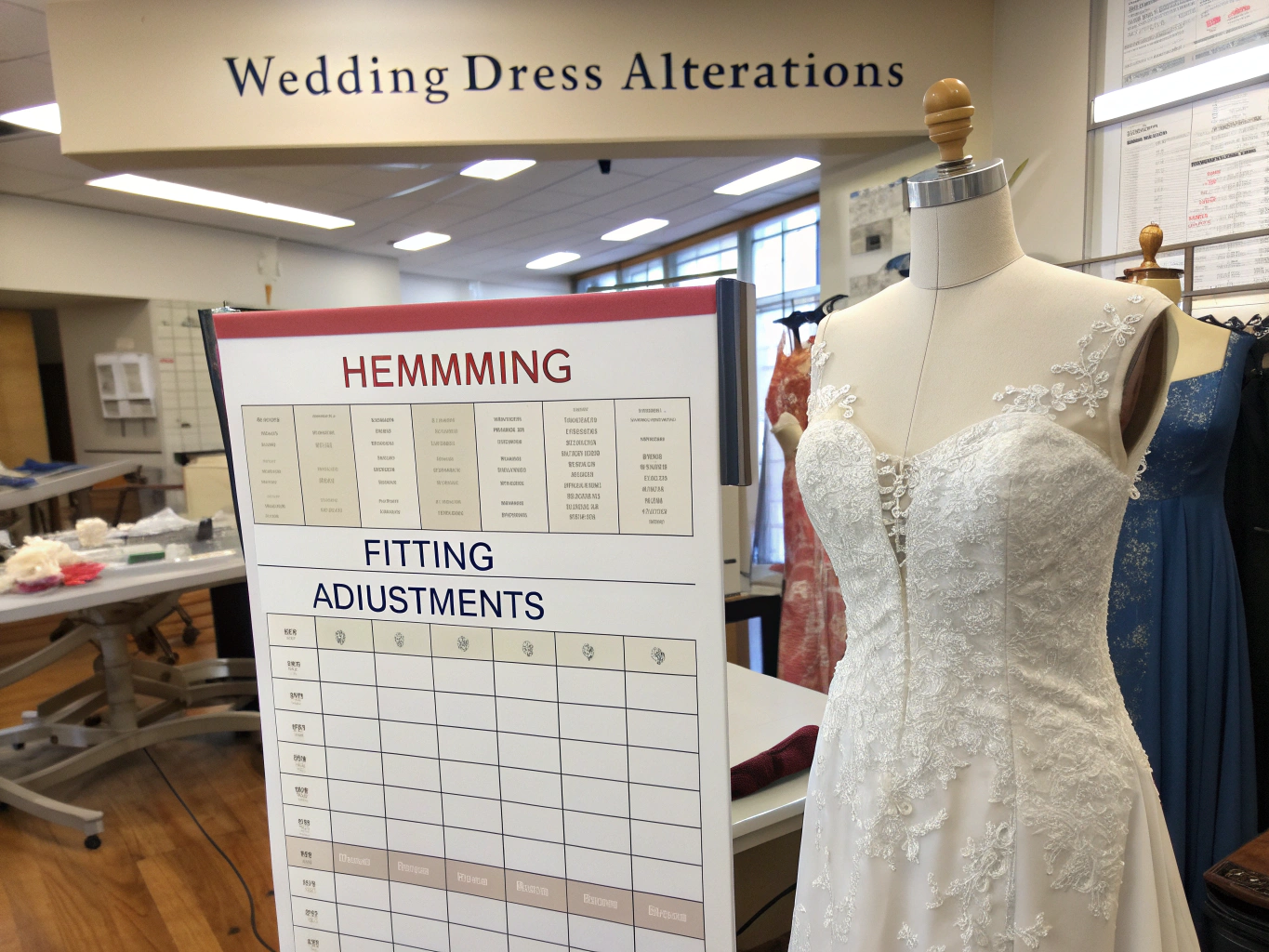
Step-by-Step Styling Guide: The 7 Price Factors Explained
Step 1: Assess Your Dress Complexity
The intricacy of your gown’s design directly correlates with alteration costs. A simple A-line silhouette with minimal embellishments costs significantly less to alter than a mermaid gown with crystal beading throughout.
Complexity Pricing Breakdown:
- Simple designs (A-line, empire waist): $150-$400 total alterations
- Moderate complexity (fit-and-flare, some beading): $400-$700
- High complexity (ball gowns, heavy lace): $700-$1,000
- Couture/intricate designs (extensive beadwork, multiple layers): $1,000-$1,500+
Stylist trick: When shopping, lift the skirt and examine the internal construction. Dresses with multiple petticoat layers or horsehair trim require specialized handling that increases alteration fees.
Step 2: Evaluate Fabric Requirements
Fabric type represents one of the most significant factors in determining how much wedding dress alterations should cost.
Fabric Pricing Guide:
- Polyester blends: Easiest to work with, lowest alteration costs
- Cotton and cotton blends: Moderate difficulty, reasonable pricing
- Silk and satin: Requires specialized handling, higher costs
- Lace (especially Chantilly or Alençon): Premium pricing due to pattern matching
- Beaded or sequined fabrics: Highest costs due to hand-sewing requirements
Personal insight: I once watched a seamstress spend four hours hand-removing and reattaching beading for a simple bust adjustment. Understanding this labor helps justify seemingly high quotes.
Step 3: Determine Necessary Alterations
Common bridal alterations and their average costs:
Hemming:
- Simple hem: $100-$200
- Hem with lace or beading: $250-$500
- Multi-layer hem (ball gown): $200-$400
Bodice Adjustments:
- Taking in sides: $75-$200
- Bust cups insertion: $30-$75
- Shoulder adjustments: $50-$100
- Adding boning: $50-$150
Structural Changes:
- Bustle creation: $75-$250
- Adding/removing sleeves: $150-$350
- Train adjustment: $100-$300
- Neckline modification: $100-$400
Step 4: Consider Geographic Location
Your location significantly impacts alteration pricing. Metropolitan areas with higher living costs typically charge 30-50% more than suburban or rural seamstresses.
Regional Pricing Comparison:
- New York City: $500-$1,800 average
- Los Angeles: $450-$1,500 average
- Chicago: $400-$1,200 average
- Smaller cities/suburbs: $200-$800 average
- Rural areas: $150-$600 average
Pro tip: If you live in an expensive city, consider traveling to a nearby suburb for alterations. The savings often exceed transportation costs.
Step 5: Factor in Seamstress Expertise
Like any skilled profession, experience commands premium pricing. A master seamstress with 20+ years of bridal experience will charge more than a general tailor who occasionally works on gowns.
Expertise Levels:
- General tailor: $50-$100/hour
- Bridal specialist: $75-$150/hour
- Master couture seamstress: $150-$300/hour
The investment in expertise often pays off through superior results and fewer fitting appointments.
Step 6: Account for Timeline Pressures
As mentioned earlier, timing affects pricing dramatically. Standard alteration timelines allow seamstresses to schedule work efficiently.
Rush Fee Structure:
- 4-6 weeks before wedding: 15-25% additional
- 2-4 weeks before wedding: 25-50% additional
- Less than 2 weeks: 50-100% additional (if accepted at all)
Step 7: Include Hidden Costs
Budget for often-overlooked expenses:
- Bustle tutorial: $25-$50 (teaching someone to bustle your dress)
- Steaming/pressing: $50-$150
- Preservation-ready preparation: $25-$75
- Additional fittings beyond standard 2-3: $25-$50 each
Fashion Fit & Comfort Insights
Understanding fabric and fit helps you make informed decisions about alterations and realistic expectations about comfort.
Fabric Breathability Data:
Research from textile studies shows that natural fiber blends are 40% more breathable than pure synthetics. For summer weddings, prioritize gowns with natural fiber content to reduce discomfort.
| Fabric Type | Breathability Score | Comfort Rating |
|---|---|---|
| Silk | 9/10 | Excellent |
| Cotton Blend | 8/10 | Very Good |
| Crepe | 7/10 | Good |
| Polyester | 4/10 | Moderate |
| Heavy Satin | 5/10 | Moderate |
Personal Experience:
“I wore a silk mikado gown at my outdoor September wedding,” recalls Emma, a recent bride. “The initial stiffness softened throughout the day, and despite 85-degree temperatures, I stayed surprisingly comfortable.”
Fit Recommendations:
- Bust area: Allow 1-2 inches of ease for comfortable breathing
- Waist: Should sit naturally without constant adjustment
- Hip zone: Sufficient room to sit and dance freely
- Length: Hem should clear the floor by ½ inch when wearing ceremony shoes
Stylist note: A gown that fits perfectly while standing might feel restrictive when sitting. Always test your altered dress in multiple positions during fittings.
Sustainable & Affordable Alternatives
Wedding dress alterations represent a significant investment, but several strategies can reduce costs while maintaining quality.
Eco-Friendly Options:
Vintage dress alterations: Pre-loved gowns often feature superior construction, making alterations more straightforward. Plus, choosing vintage reduces fashion industry waste.
- Rental gown alterations: Some rental companies offer limited alterations included in rental fees. Check Rent the Runway Bridal or HURR Collective for options.
Sample sale finds: Designer samples often require minimal alterations since they’re made in standard sizes with generous seam allowances.
Budget-Friendly Swaps:
| Premium Service | Budget Alternative | Savings |
|---|---|---|
| Bridal boutique alterations | Independent seamstress | $150-$400 |
| Full bustle reconstruction | Simple hook-and-eye bustle | $100-$200 |
| Professional steaming | At-home garment steamer | $100+ |
Creative Cost-Cutting Ideas:
- Learn basic hand-sewing to attach hooks or buttons yourself
- Choose a dress requiring minimal alterations (proper sizing saves hundreds)
- Consider convertible styles that eliminate bustle needs
- Ask about package pricing for multiple alterations
Real Brand References:
- BHLDN offers reasonable in-house alteration estimates
- David’s Bridal provides transparent alteration pricing guides
- Reformation creates sustainable options with simpler silhouettes
Outfit Pairing Suggestions
Your wedding dress exists within a complete bridal ensemble. Strategic pairing choices can minimize alteration needs.
Seasonal Considerations:
Spring Weddings:
Pair your gown with a lightweight silk shawl that can be altered to match your neckline. Delicate pearl earrings draw eyes upward, reducing focus on any hemming imperfections.
Summer Ceremonies:
Choose barely-there sandals that maintain consistent heel height—reducing hem recalculations if you switch between ceremony and reception shoes.
Autumn Celebrations:
Layer with a velvet capelet that adds warmth without requiring extensive alterations. Rich burgundy or forest green accessories complement ivory gowns beautifully.
Winter Events:
A faux fur stole eliminates the need for sleeve additions while providing warmth. Consider longer gloves instead of altering sleeve length.
Personalized Tips:
- Petite brides: Choose pointed-toe heels that create visual length, potentially reducing how much hem needs removal
- Tall brides: Embrace your height with a dramatic train rather than shortening
- Curvy figures: Structured undergarments can reduce bodice alteration needs significantly
- Athletic builds: Look for dresses with adjustable corset backs that accommodate muscular variations
Common Style Mistakes to Avoid
Understanding common alteration pitfalls helps you navigate the process successfully.
Mistake #1: Losing Weight Before Final Alterations
According to bridal industry data, 65% of brides attempt to lose weight before their wedding. However, significant weight loss after alterations leads to expensive re-fitting.
Fix: Complete alterations at your current weight. A skilled seamstress can take in a gown up to two sizes, but letting out is limited by seam allowances.
Mistake #2: Skipping the Undergarment Conversation
Wearing different undergarments to each fitting creates inconsistent measurements.
Fix: Purchase your bridal undergarments before your first alteration appointment and wear them to every fitting.
Mistake #3: Ignoring Movement Testing
Standing perfectly still during fittings doesn’t replicate wedding day activities.
Fix: Walk, sit, raise your arms, and do a practice first dance move at every fitting.
Mistake #4: Choosing the Cheapest Quote
The lowest bid often reflects inexperience or shortcuts.
Fix: Request portfolios, read reviews, and understand what’s included in each quote.
Mistake #5: Forgetting About Accessory Integration
Your veil, jewelry, and hair accessories affect your overall look and may require attachment points.
Fix: Bring all accessories to your final fitting to ensure cohesive presentation.
Clothing Care & Storage Tips
Protecting your investment before and after the wedding ensures lasting memories.
Pre-Wedding Care:
- Store your dress in a breathable garment bag—never plastic, which traps moisture
- Hang using padded hangers or loop straps to prevent stretching
- Keep away from direct sunlight to prevent yellowing
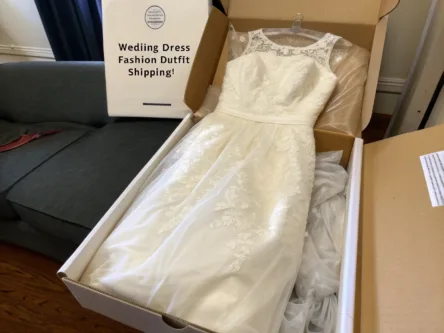
- Allow one week of “settling” after shipping before first fitting
Post-Alteration Maintenance:
- Schedule professional steaming 1-2 days before the wedding
- Transport lying flat when possible
- Designate someone to carry your dress train during travel
Pro Storage Tips:
“I wrap my altered gowns in acid-free tissue between fittings,” shares veteran seamstress Maria. “This prevents creasing and fabric abrasion that can damage delicate surfaces.”
Post-Wedding Preservation:
- Clean within one week of the wedding (stains set quickly)
- Professional preservation costs $200-$600 but protects your investment
- Store in acid-free boxes in climate-controlled spaces
- Avoid attics, basements, or areas with temperature fluctuations
Conclusion
Understanding how much wedding dress alterations should cost empowers you to budget effectively and avoid unwanted surprises. The seven price factors—dress complexity, fabric type, necessary alterations, geographic location, seamstress expertise, timeline, and hidden costs—all contribute to your final investment.
Key Takeaways:
- Budget $300-$700 for average alteration needs
- Begin the process 8-12 weeks before your wedding
- Invest in proper undergarments to reduce alteration requirements
- Choose a seamstress based on expertise, not just price
- Factor in geographic and timeline considerations
Remember, alterations transform a beautiful dress into your perfect dress. This investment ensures comfort, confidence, and photographs you’ll treasure forever.
Ready to start your bridal journey? Explore our seasonal wedding style guides, share your dress photos with us on social media, or download our free alteration budget calculator. Your dream wedding look awaits—and now you have the knowledge to achieve it without breaking the bank.
FAQs
How much should wedding dress alterations cost on average?
Most brides spend between $300-$700 on alterations, though simple adjustments can cost as little as $150, while complex gowns may require $1,000-$1,500+. Your specific costs depend on dress complexity, fabric type, and geographic location.
When should I start wedding dress alterations?
Ideally, begin alterations 8-12 weeks before your wedding. This timeline allows for 2-3 fittings without rush fees. Complex gowns or significant changes may require 12-16 weeks.
Can I do wedding dress alterations myself?
While simple tasks like sewing hooks or attaching buttons are manageable, I strongly recommend professional alterations for any structural changes. Bridal fabrics are unforgiving, and mistakes are costly to fix.
Should I use the bridal boutique’s seamstress or find my own?
Both options have merit. Boutique seamstresses know the brand’s construction, but independent specialists often offer lower prices and personalized attention. Compare quotes and read reviews before deciding.
What if I gain or lose weight after alterations?
Communicate immediately with your seamstress. Most gowns can be adjusted 1-2 sizes in either direction, but significant changes may require starting over. This is why timing matters.
Are alteration costs negotiable?
While base prices are typically firm, you can often negotiate package deals for multiple alterations or ask about payment plans. Building a relationship with your seamstress sometimes leads to small discounts on add-on services.
How many fittings will I need?
Most brides require 2-3 fittings. Simple alterations may need only one, while complex changes could require four or more. Each additional fitting beyond the standard package typically costs $25-$50.





Add comment