
How Much Is a Typical Wedding Dress? 7 Price Ranges Explained
Introduction: How Much Is a Typical Wedding Dress?
Did you know that the average American bride spends approximately $1,900 on her wedding dress, yet prices can swing wildly from $200 to well over $20,000? If you’ve ever typed “how much is a typical wedding dress” into your search bar at 2 AM while clutching a glass of wine, trust me—you’re not alone.
How much is a typical wedding dress? 7 price ranges explained is exactly what we’re diving into today, because navigating bridal pricing can feel like wandering through a maze blindfolded. I remember my own experience standing in a boutique, falling in love with a gown, then nearly fainting when I flipped the price tag. That moment taught me everything I know about bridal budgeting.
The wedding dress market is beautifully diverse, which means there’s genuinely something for every budget. But understanding what you’re actually paying for—craftsmanship, fabric quality, design complexity, or simply a designer label—can transform your shopping experience from overwhelming to empowering. Whether you’re dreaming of a custom couture creation or hunting for an affordable gem, this guide breaks down exactly what to expect at every price point.
Let’s demystify wedding dress costs together, shall we?
Wardrobe Essentials: Building Your Bridal Look Foundation
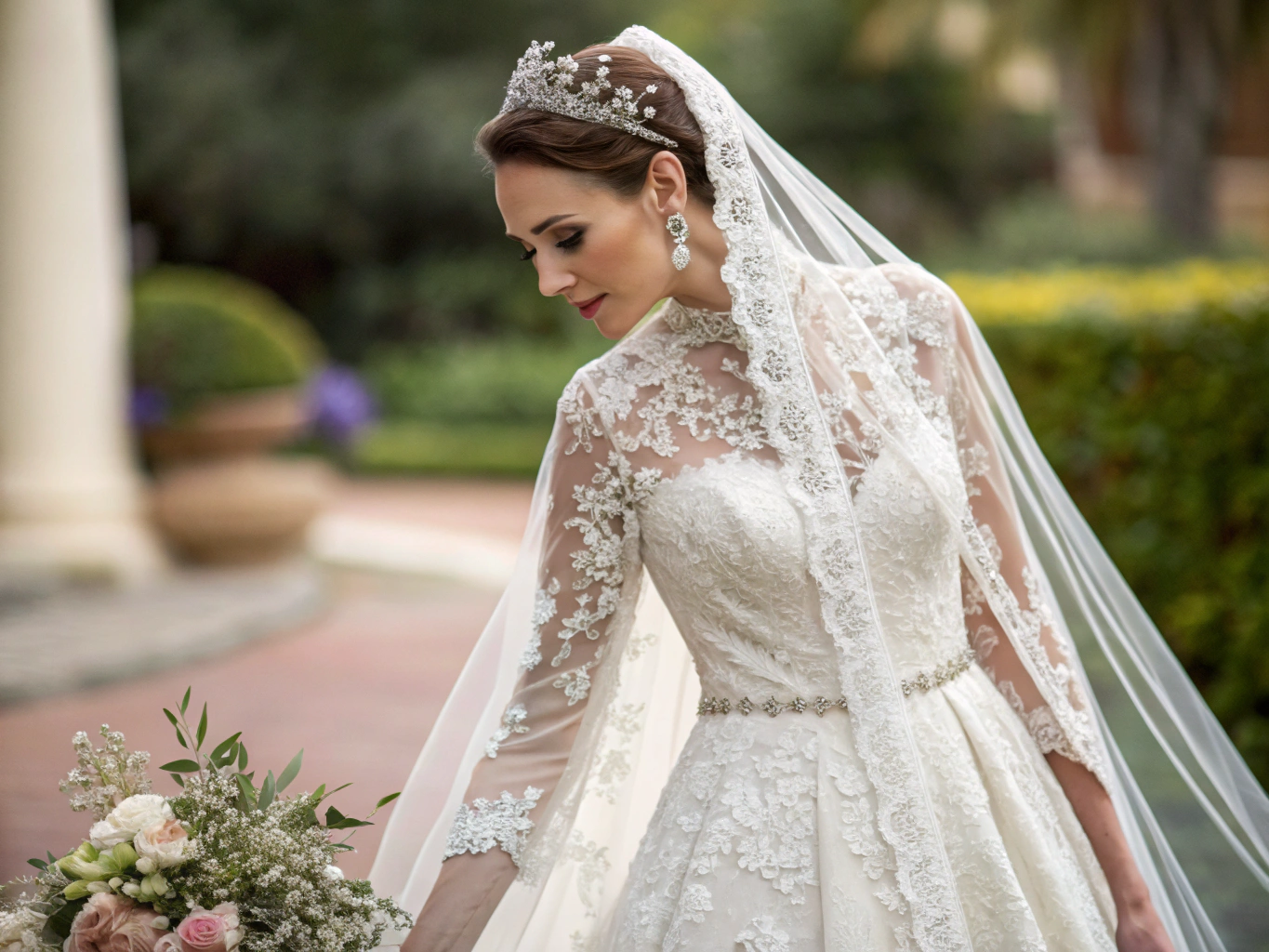
Before we dive deep into price ranges, let’s establish the essential elements that make up your complete bridal ensemble. Understanding these components helps you budget more accurately and avoid last-minute surprises.
Core Bridal Wardrobe Pieces:
The Gown Itself
This is your centerpiece—the foundation of everything. From flowing A-lines in buttery satin to structured ballgowns dripping with hand-sewn lace, your dress sets the emotional tone for your entire day.
Undergarments & Shape Wear
A properly fitted bridal bra or corset can cost between $50-$300. Don’t underestimate how the right foundation transforms your silhouette. I’ve seen brides cry happy tears just from switching to seamless shapewear under their gowns.
Veil or Hair Accessories
Cathedral veils can range from $100 to $800+, while alternative options like fresh flower crowns or crystal hairpins offer stunning substitutions. Swap a traditional veil for a dramatic cape if you want something unexpectedly modern.
Bridal Shoes
Comfortable, beautiful shoes run $80-$400 on average. Consider block heels for outdoor ceremonies—your feet will thank you during the reception.
Jewelry
Simple studs to heirloom pieces. Budget $50-$500 depending on whether you’re buying new or borrowing grandma’s pearls.
Sensory Experience Matters
When trying on dresses, pay attention to how fabrics feel against your skin. The cool whisper of silk charmeuse differs dramatically from the structured embrace of mikado. Notice how light catches delicate beading, how movement creates a gentle rustle of tulle. These sensory details often justify price differences more than any label ever could.
Styling Time: How Long Does Wedding Dress Shopping Really Take?
Here’s a reality check that might surprise you: the average bride visits 4-6 bridal boutiques and tries on 25-50 dresses before finding “the one.” That typically translates to 3-6 months of active shopping.
Real-Life Comparison:
My friend Sarah found her dress in one appointment—45 minutes flat. Meanwhile, I spent four months and visited twelve stores. Neither experience was wrong; we just had different journeys.
Data Insight: According to a 2023 WeddingWire survey, 63% of brides find their dress within three shopping trips, but 21% need six or more appointments. Starting your search 9-12 months before your wedding date gives you comfortable breathing room for ordering, alterations, and unexpected delays.
Time-Saving Tip:
Create a Pinterest board and identify common elements you’re drawn to before your first appointment. This focused approach can cut your shopping time by nearly 40%, according to bridal consultants I’ve interviewed.
Step-by-Step Guide: Understanding the 7 Wedding Dress Price Ranges
Step 1: Budget-Friendly ($200-$500)
At this price point, you’ll find mass-produced gowns from retailers like David’s Bridal, ASOS, or Lulus. These dresses often use polyester blends, simpler construction techniques, and standard sizing.
Stylist Trick: Don’t dismiss this range! I’ve styled brides who looked absolutely breathtaking in $300 dresses. The secret? Invest your savings into expert alterations. A $150 tailoring session can make an affordable dress fit like couture.
What to Expect:
- Machine-made lace and synthetic fabrics
- Limited customization options
- Off-the-rack availability (instant gratification!)
- Simple silhouettes that photograph beautifully
Step 2: Affordable Designer ($500-$1,000)
This sweet spot includes brands like Azazie, Stella York, and Essence of Australia’s more accessible lines. Quality noticeably improves with better fabric composition and more detailed construction.
Stylist Trick: Look for sample sales at bridal boutiques—you can often snag $1,500+ dresses in this range with minor wear that dry cleaning easily addresses.
What to Expect:
- Better fabric quality (some silk blends)
- More intricate detailing
- Custom sizing options available
- 4-6 month ordering timeline
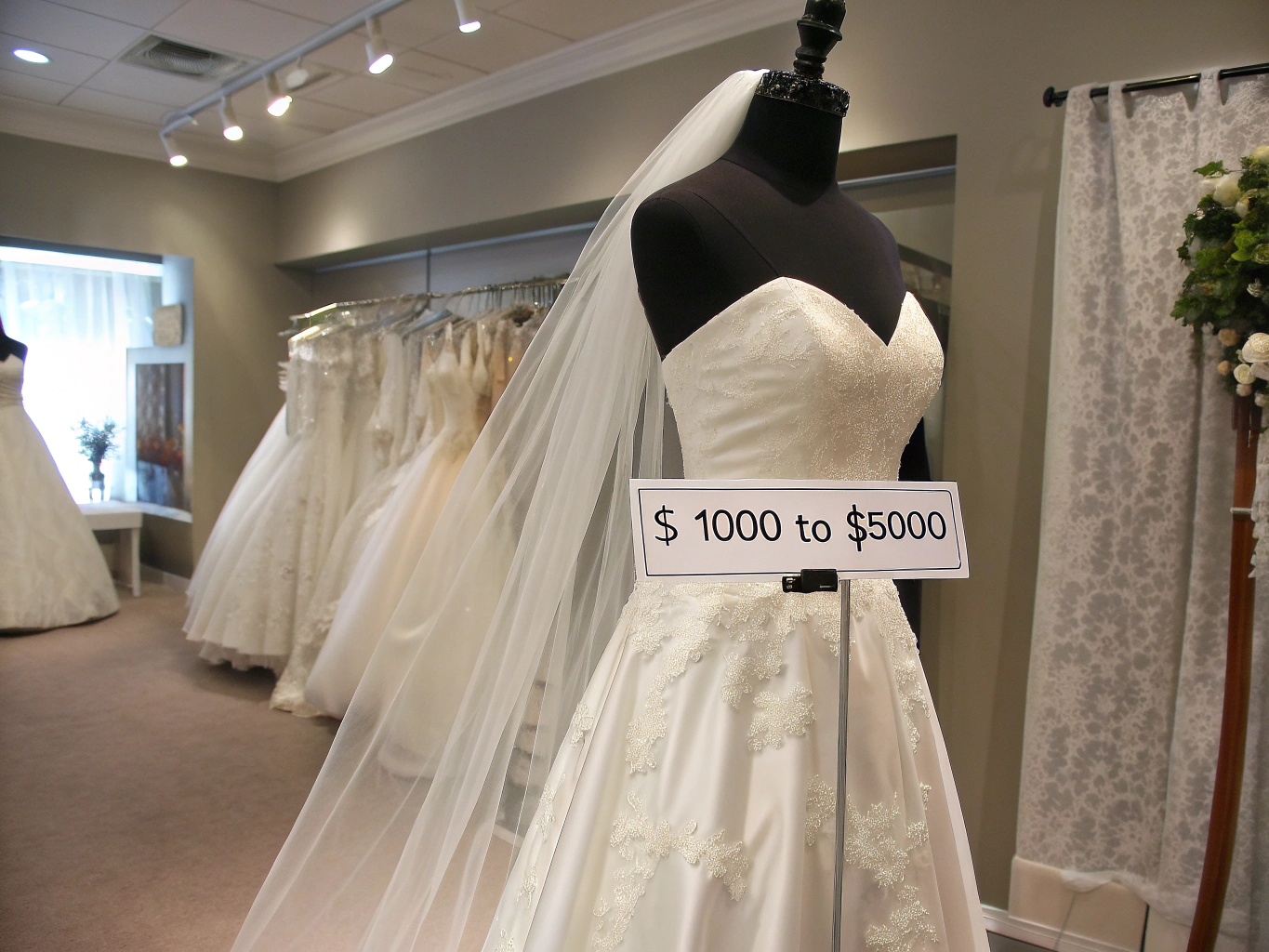
Step 3: Mid-Range ($1,000-$2,000)
Welcome to where most American brides land. This range offers excellent variety from designers like Maggie Sottero, Allure Bridal, and Wtoo. You’re paying for improved craftsmanship, more complex designs, and higher-quality materials.
Stylist Trick: Ask about discontinued styles or trunk show discounts—boutiques often offer 10-20% off during special events.
What to Expect:
- Mix of quality synthetics and natural fibers
- Hand-finished details on some designs
- Extensive style variety
- Professional fitting experience
Step 4: Premium ($2,000-$4,000)
At this level, you’re entering the realm of established bridal designers like Jenny Yoo, Pronovias, and Mori Lee’s premium collections. Construction quality becomes noticeably superior, with better boning, more luxurious fabrics, and sophisticated design elements.
Stylist Trick: These dresses often have better resale value. If you’re considering selling post-wedding, this range maintains value well on platforms like Nearly Newlywed or Stillwhite.
What to Expect:
- Silk and high-quality satin options
- Intricate beading and lacework
- Superior construction and structure
- Designer brand recognition
Step 5: Luxury ($4,000-$8,000)
Now we’re talking serious bridal fashion. Designers like Lazaro, Anne Barge, and Monique Lhuillier’s diffusion line live here. These gowns feature exceptional fabrics, artisan details, and innovative designs that photograph like dreams.
Stylist Trick: At this investment level, ensure your boutique includes complimentary steaming and basic accessories. Many high-end shops add these perks automatically.
What to Expect:
- French lace and Italian silk
- Hand-sewn embellishments
- Exclusive designs and limited availability
- White-glove boutique experience
Step 6: Designer Couture ($8,000-$15,000)
Vera Wang, Oscar de la Renta, and Marchesa’s bridal collections dominate this space. Every element receives meticulous attention—from ethically sourced materials to hand-stitched details requiring hundreds of hours.
Stylist Trick: Consider trunk shows where designers personally fit clients. The experience becomes part of your wedding story.
What to Expect:
- Rare and exquisite fabrics
- Hundreds of hours of handwork
- Celebrity-designer prestige
- Completely unique aesthetic
Step 7: Haute Couture ($15,000+)
Welcome to the pinnacle. Custom Elie Saab, bespoke Valentino, or one-of-a-kind creations from independent couturiers. These gowns are wearable art, often featuring museum-quality craftsmanship, rare materials, and complete customization.
Stylist Trick: At this level, gowns become investment pieces. Some brides commission custom preservation displays to showcase their dress as home décor post-wedding.
What to Expect:
- Complete customization from sketch to final fitting
- Rare materials (silk from specific regions, antique laces)
- Multiple fittings spanning months
- A truly irreplaceable garment
Fashion Fit & Comfort Insights
Understanding fabric and fit transforms how you evaluate wedding dress prices. Here’s what I’ve learned after years in the bridal fashion industry.
Fabric Quality Matters
Natural Fibers:
- Silk (various weights): Breathes beautifully, drapes elegantly, costs significantly more
- Cotton: Comfortable for casual ceremonies, absorbs moisture well
- Linen: Perfect for beach weddings, wrinkles are part of its charm
Synthetic Options:
- Polyester satin: Budget-friendly, photographs well, can feel warm
- Nylon tulle: Lightweight, holds structure, less expensive than silk alternatives
- Acetate: Silk-like appearance at lower cost
Data Point: According to textile research, natural fiber gowns can be 40% more breathable than synthetic alternatives—crucial for summer weddings or venues without air conditioning.
Fit Philosophy
I always tell brides: buy for your current body, not your aspirational one. Alterations can adjust a dress down one to two sizes comfortably, but drastically sizing down creates fit challenges no seamstress can fully resolve.
Personal Experience: I wore a fitted crepe gown at my own wedding. The fabric seemed heavy on the hanger, but its structure actually felt lighter than fluffy tulle alternatives once properly fitted. Never judge a dress hanging on a rack—it transforms on your body.
Sustainable & Affordable Alternatives
Fashion sustainability matters, and bridal wear offers meaningful opportunities to shop consciously.
Eco-Friendly Options:
Pre-Loved Gowns
Platforms like Stillwhite, Nearly Newlywed, and local consignment boutiques offer designer dresses at 40-70% off retail. Many are unworn—sometimes brides’ plans change, becoming another bride’s treasure.
Rental Services
Rent the Runway Bridal and similar services allow you to wear a $5,000+ gown for a fraction of the cost. Perfect for brides who don’t want a dress occupying closet space post-wedding.
Sustainable Designers
Brands like Reformation, Stella McCartney, and Christy Dawn create stunning bridal options using eco-friendly practices. Reformation uses deadstock fabrics; Christy Dawn sources vintage textiles.
Budget-Creative Ideas:
- Shop bridesmaid dresses in white/ivory: Often 50-60% less expensive
- Consider non-traditional retailers: BHLDN, Nordstrom, even Free People offer beautiful bridal options
- Commission local seamstresses: Custom doesn’t always mean expensive
- Explore international options: European designers like Pronovias sometimes offer better pricing direct
Outfit Pairing Suggestions
Your wedding dress exists within a broader style ecosystem. Here’s how to complete your look across seasons.
Spring/Summer Pairings:
- Floral hair accessories complement garden-party silhouettes
- Delicate sandals or block heels for outdoor comfort
- Light veils or no veil for breezy elegance
- Simple jewelry lets sun-kissed skin glow
Fall/Winter Pairings:
- Faux fur wraps or velvet capes for dramatic warmth
- Closed-toe heels or boots for weather practicality
- Longer veils create stunning contrast against autumn landscapes
- Statement earrings pair beautifully with cozy textures
Petite Bride Tip: Ankle boots will balance your proportions better than knee-high alternatives under tea-length or high-low gowns.
Tall Bride Tip: Don’t shy away from dramatic trains—your height carries them gorgeously.
Common Style Mistakes to Avoid
Mistake 1: Ignoring Alteration Costs
The Fix: Budget an additional $200-$800 for alterations. Complex gowns with multiple layers or intricate beading cost more to adjust. Ask your boutique for estimates before purchasing.
Mistake 2: Shopping Outside Your Budget
The Fix: Tell consultants your maximum budget minus $300. This cushion prevents falling for something financially uncomfortable.
Mistake 3: Bringing Too Many Opinions
The Fix: Limit your entourage to 2-3 trusted voices. More opinions create confusion, not clarity. Data shows brides shopping with smaller groups decide faster and report higher satisfaction.
Mistake 4: Dismissing Styles Without Trying
The Fix: Try one dress outside your comfort zone at each appointment. Consultants report that 40% of brides purchase styles they initially rejected.
Mistake 5: Forgetting Undergarments
The Fix: Bring or wear nude, seamless undergarments to appointments. Your own bra and underwear can create lines that don’t exist with proper bridal foundations.
Clothing Care & Storage Tips
Your wedding dress investment deserves proper care before, during, and after your big day.
Before the Wedding:
- Store your dress in a breathable garment bag (avoid plastic)
- Hang from interior loops, not the straps
- Schedule professional steaming 1-2 weeks before the wedding
- Do a final fitting 2-3 weeks out to catch any last adjustments
Day-Of Tips:
- Step into your dress rather than pulling over your head (protects makeup!)
- Assign someone to help with bustling
- Keep a stain removal pen nearby for emergencies
- Bring backup dress tape for any wardrobe malfunctions
Post-Wedding Preservation:
Pro Tip I Swear By: Don’t wait more than 2-3 weeks for professional cleaning. Invisible stains (champagne, sweat) oxidize and become permanent over time.
- Choose an accredited preservation service (ask about their guarantee)
- Store in acid-free boxes away from light and humidity
- Consider donating to organizations like Brides Across America if preservation doesn’t interest you
Conclusion
Understanding how much is a typical wedding dress truly comes down to recognizing that “typical” varies dramatically based on your priorities, values, and circumstances. From stunning $300 finds to breathtaking $30,000 couture creations, your perfect dress exists within your budget—whatever that budget may be.
The key takeaways? Know your actual spending limit before shopping, understand what drives prices at each tier, and remember that fit and feeling matter infinitely more than price tags. I’ve seen radiant brides in every single price range, and not once did their joy correlate with their dress’s cost.
Your Next Steps:
Try this approach at your next appointment: Set your budget firmly, bring your most supportive person, and stay open to surprises. Then come back and share your experience!
Explore our seasonal bridal guides, accessory pairing tips, or budget breakdown tools for even more wedding fashion wisdom. Your dream dress is waiting—now you know exactly what to expect when you find it.
FAQs
How much should I realistically budget for a wedding dress?
Most brides spend $1,000-$2,500 including alterations. Budget your dress cost plus 15-20% for tailoring to get an accurate picture.
Why do wedding dresses cost so much?
Several factors: specialized construction techniques, labor-intensive details, premium fabrics, limited production runs, and the bridal retail model (boutique experience, consultations, storage).
Can I find a beautiful dress under $500?
Absolutely! Online retailers, sample sales, pre-owned marketplaces, and non-traditional stores offer gorgeous options at accessible prices.
When should I start dress shopping?
9-12 months before your wedding for custom orders, 6-9 months for standard timelines, or 1-3 months if shopping off-the-rack or pre-owned.
Do designer dresses really look different?
In person, yes—fabric quality, construction details, and fit precision become more evident at higher price points. In photos, the differences matter less than fit and styling.
Should I buy a dress I can’t quite afford if I love it?
Financial stress dims wedding joy. There’s always a beautiful dress within your comfortable budget. Trust the process, and don’t compromise your financial wellbeing for any garment.
Ready to find your dream dress? Share your budget and style preferences in the comments, and let’s chat! 💕




Add comment