
How Much Does a Gypsy Wedding Dress Cost? 7 Price Factors That Determine Your Dream Gown
Introduction
Did you know that the average gypsy wedding dress can cost anywhere from $5,000 to over $200,000? That’s right—these magnificent, show-stopping gowns often rival the price of a luxury car or even a small house deposit. If you’ve ever watched “My Big Fat Gypsy Wedding” and wondered about the astronomical budgets behind those jaw-dropping creations, you’re not alone.
How much does a gypsy wedding dress cost? This question lands in my inbox at least once a week, and honestly, the answer isn’t straightforward. Having worked with brides from diverse cultural backgrounds for over twelve years, I’ve seen firsthand how gypsy wedding dress prices vary dramatically based on several crucial factors.
I remember meeting a young bride named Maria last spring. She walked into my consultation room with tears streaming down her face because she’d just received a quote for £85,000 for her dream dress. “Is this normal?” she asked. The truth? For the level of extravagance she wanted, it actually was.
Whether you’re planning your own gypsy wedding, attending one as a guest, or simply fascinated by this extraordinary bridal tradition, understanding the 7 price factors behind these legendary gowns will give you invaluable insight into one of fashion’s most spectacular—and expensive—niches.
Wardrobe Essentials List for the Gypsy Bride
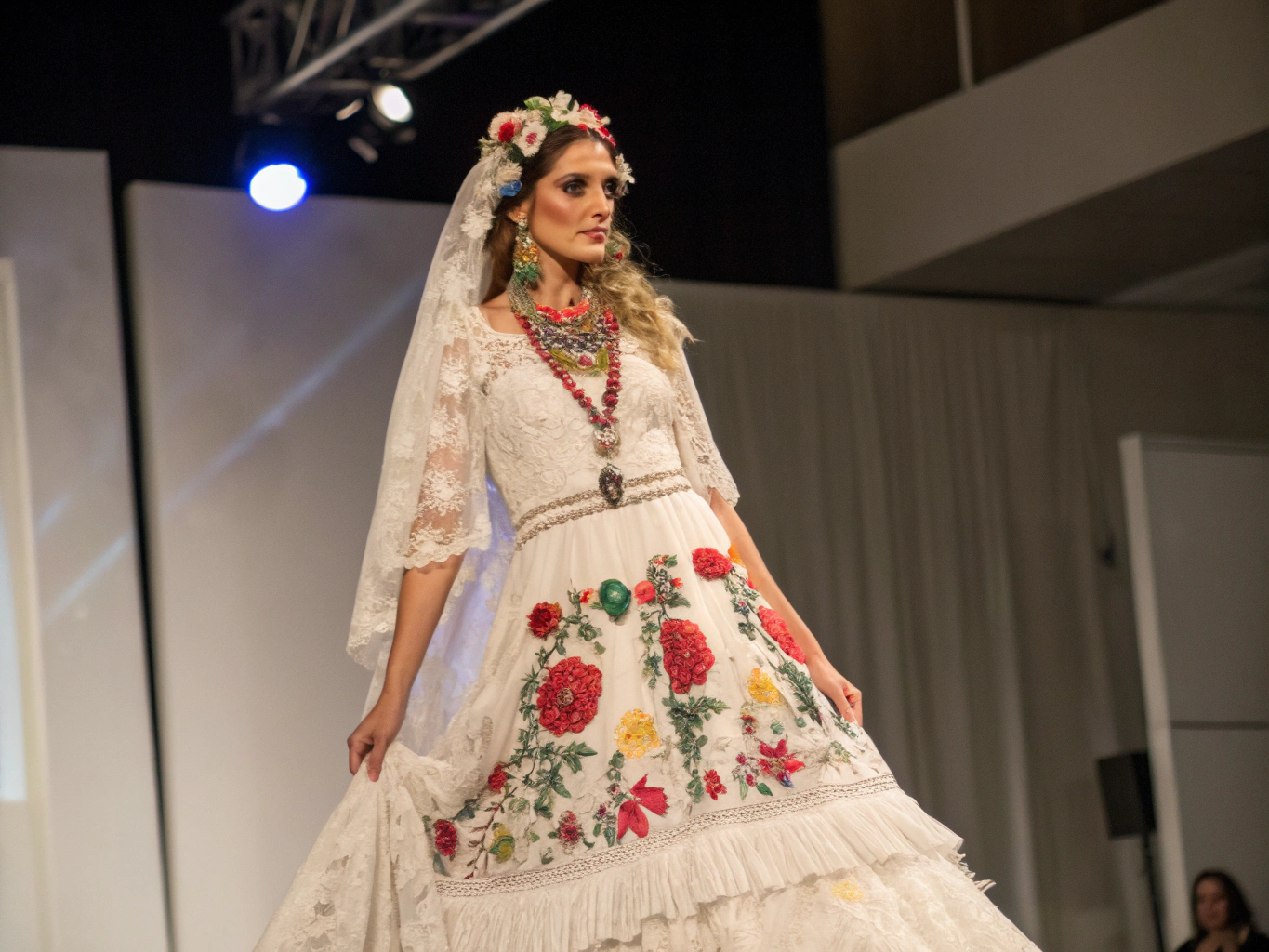
Before we dive into the price factors, let’s explore what actually makes up a traditional gypsy wedding dress ensemble. These aren’t your typical bridal outfits—they’re theatrical masterpieces designed to make the bride the undisputed center of attention.
Core Elements of a Gypsy Wedding Dress:
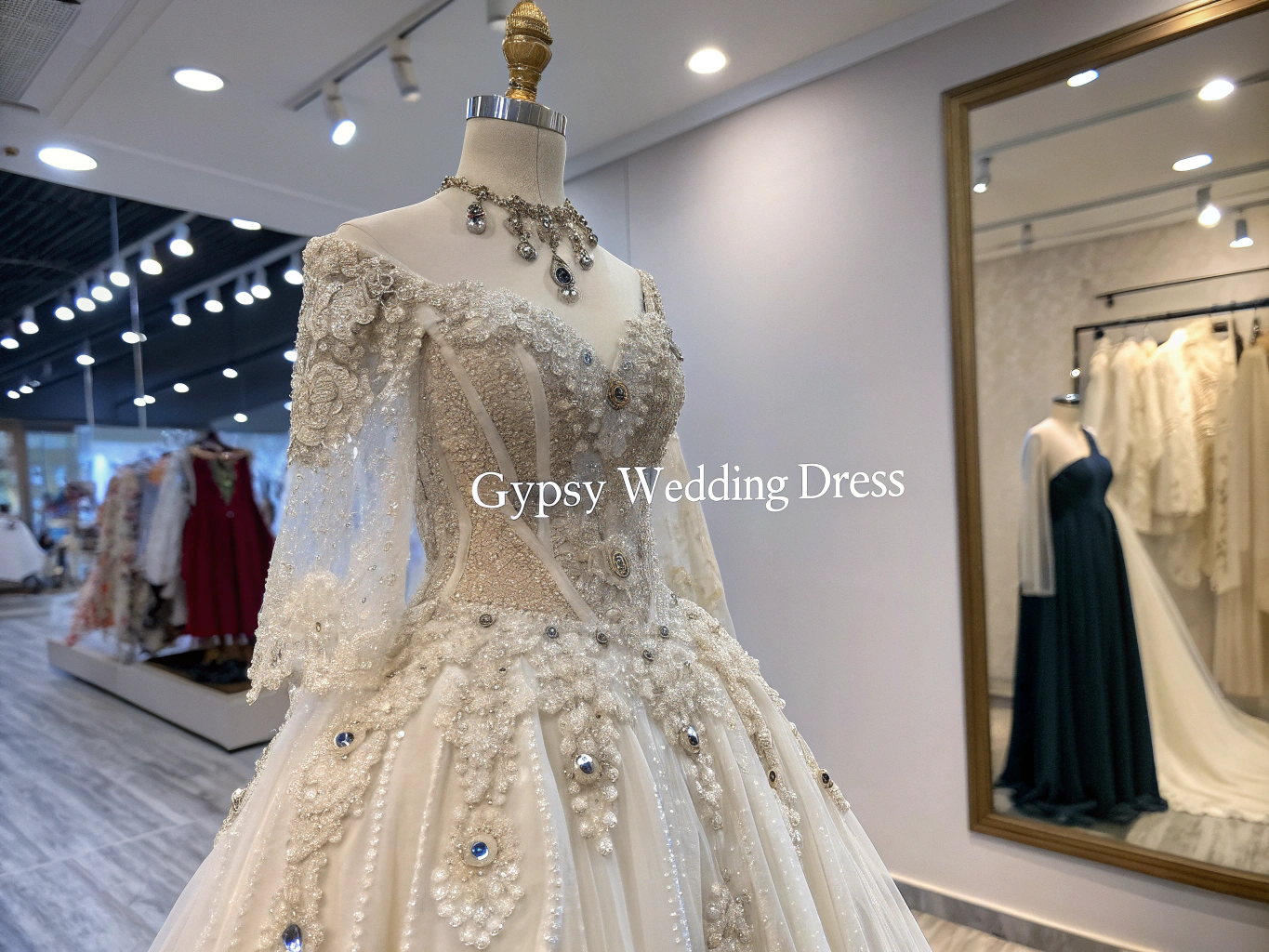
The Bodice – Typically heavily boned, corseted, and embellished with crystals, sequins, or even LED lights. The structure alone can weigh several kilograms. Think of it as a sparkling armor of femininity.
The Skirt – Often featuring multiple layers of tulle, organza, and crinoline. Some skirts span up to 20 feet in diameter. The rustle of these fabrics as you walk creates an almost musical accompaniment to your grand entrance.
The Underskirt/Hoop Structure – A steel or plastic cage that gives the dress its iconic volume. Without this architectural foundation, the dramatic silhouette simply wouldn’t exist.
Crystal Embellishments – Swarovski crystals remain the gold standard, though some brides opt for Czech crystals as a budget-friendly swap that still catches the light beautifully.
The Train – Cathedral-length trains are common, but some brides go for dramatic trains extending 15+ feet behind them.
Headpieces & Veils – Elaborate tiaras, crystal crowns, and cascading veils complete the look. These accessories alone can cost thousands.
Undergarments – Specialized bridal shapewear designed to work with the extreme structure of these gowns.
Smart Substitutions:
- Swap Swarovski crystals for high-quality rhinestones to save 40-60% on embellishment costs
- Consider removable skirt panels for versatility during the reception
- Choose silk organza over pure silk for similar luxury at a fraction of the price
Styling Time: Creating Your Gypsy Wedding Look
Here’s something most people don’t realize: getting into a gypsy wedding dress is not a solo mission. On average, brides require 2-3 hours just for the dress fitting process on their wedding day. Compare this to the typical 30-45 minutes for a traditional wedding gown, and you’ll understand why gypsy brides often start their preparation at 4 AM.
According to a 2023 survey by Bridal Magazine UK, 78% of gypsy brides reported needing a dedicated “dress team” of 3-5 people to help them get ready. This includes someone to hold the hoop structure, another to guide the bride into the bodice, and additional hands to arrange the skirt layers.
I worked with a bride last year whose dress weighed 42 kilograms. We practiced her entrance six times before the wedding because simply walking required technique. “It’s like learning to drive a small vehicle,” she laughed afterward, but she wasn’t entirely joking.
Time Investment Breakdown:
- Initial dress fitting: 45-60 minutes
- Adjusting understructure: 20-30 minutes
- Securing bodice and embellishments: 30-45 minutes
- Arranging skirt layers: 15-20 minutes
- Final adjustments and photography prep: 20-30 minutes
Step-by-Step Styling Guide for Gypsy Wedding Dress Shopping
Step 1: Establish Your Realistic Budget Range
Before visiting any designer, determine your absolute maximum budget. When considering how much does a gypsy wedding dress cost for your specific situation, factor in not just the dress but also alterations, storage, transportation, and a dedicated wedding day dressing assistant.
Stylist Trick: Create three budget tiers—your dream budget, your comfortable budget, and your absolute maximum. This gives you negotiating flexibility while protecting your finances.
Step 2: Research Specialist Designers
Not every bridal designer creates authentic gypsy wedding dresses. Seek out specialists who understand the cultural significance and technical requirements of these gowns. Names like Sondra Celli (famous from the TV show), Thelma Madine, and several UK-based ateliers specialize in this niche.
Pro Tip: Check Instagram portfolios extensively. A designer’s most recent work tells you more than their website’s curated gallery.
Step 3: Schedule Multiple Consultations
Book at least 3-4 consultations before committing. Each designer interprets gypsy bridal aesthetics differently, and you need to find someone who truly understands your vision.
During consultations, ask specifically about:
- Crystal sourcing and quality
- Structural engineering of the hoop/cage
- Timeline from order to delivery (typically 6-12 months)
- Deposit requirements and payment schedules
Step 4: Understand What’s Included
Some quotes include everything; others have hidden costs that balloon your final price. Always request itemized quotes that specify:
- Fabric costs
- Labor hours
- Embellishment materials
- Fittings included
- Storage before the wedding
- Delivery or pickup arrangements
Step 5: Plan for Fittings
Gypsy wedding dresses require more fittings than traditional gowns—typically 4-6 appointments minimum. Factor in travel costs and time off work if your designer isn’t local.
Step 6: Arrange Transportation and Storage
A dress this size needs specialized handling. Many brides rent small vans or even trucks to transport their gowns. Storage often requires a dedicated room with proper climate control.
Step 7: Coordinate Your Day-Of Team
Hire experienced bridal assistants who’ve worked with large-scale gowns before. This is not the time for well-meaning but inexperienced family members to take charge.
Fashion Fit & Comfort Insights
Let’s talk honestly about comfort—or the frequent lack of it—in gypsy wedding dresses.
Fabric Considerations:
The bodice typically uses duchess satin or heavy bridal satin, which aren’t known for breathability. According to textile research from the Fashion Institute of Technology, these fabrics allow only about 15% air circulation compared to natural cotton. This means temperature management becomes crucial.
Fit Factors:
Boning: Most gypsy bodices contain 12-20 bones for structure. Plastic bones offer slight flexibility, while steel bones provide superior shape but zero give.
Waist Cinching: These dresses often reduce waist measurements by 2-4 inches. If you’re not accustomed to corsetry, start wearing your bodice for short periods weeks before the wedding.
Weight Distribution: The skirt’s weight (often 15-30 kilograms) hangs from your waist, not your shoulders. This can cause lower back fatigue during long celebrations.
My Personal Experience:
I once wore a sample gypsy gown for a photoshoot—just 3 hours—and my back ached for two days afterward. Since then, I’ve advised every bride to invest in core-strengthening exercises for at least two months before their wedding. It sounds extreme, but the women who follow this advice consistently report better stamina and less discomfort.
Comfort Enhancements:
- Request breathable lining in the bodice (adds $200-500 but worth every penny)
- Consider a reception dress change if your celebration exceeds 6 hours
- Invest in cushioned, supportive bridal shoes—you’ll need them
- Pack pain relievers and muscle cream in your bridal emergency kit
Sustainable & Affordable Alternatives
Not everyone has £50,000 to spend on a wedding dress, and that’s completely okay. The gypsy bridal aesthetic can be achieved at various price points without sacrificing the wow factor.
Budget-Friendly Options:
1. Pre-Owned Gowns ($2,000-$15,000)
Websites like PreOwnedWeddingDresses and StillWhite occasionally list gypsy-style gowns. Since these dresses are typically worn once, you’re getting near-perfect condition at 40-60% of original prices.
2. Rental Services ($1,500-$8,000)
Several UK and US-based companies now offer gypsy wedding dress rentals. You sacrifice the “forever” element but gain access to designer gowns at fraction of the cost.
3. Local Dressmakers with Customization ($3,000-$12,000)
Find a skilled local seamstress and show them reference images. While they may not replicate a Sondra Celli exactly, talented craftspeople can create stunning interpretations.
4. Semi-Custom Options ($5,000-$20,000)
Some designers offer “template” designs that can be customized with your choice of embellishments. You save on design fees while still getting a unique gown.
Sustainable Considerations:
The fashion industry produces approximately 92 million tons of textile waste annually. Consider these eco-conscious alternatives:
- Vintage crystals: Source pre-owned Swarovski elements from estate sales or vintage dealers
- Recycled fabrics: Some sustainable bridal ateliers now offer recycled satin and organza
- Donate or resell: After your wedding, pass your gown forward to another bride or sell it to recoup costs
- Preserve and repurpose: Some brides transform their gowns into christening outfits for future children
Outfit Pairing Suggestions
Your gypsy wedding dress doesn’t exist in isolation—accessories, footwear, and complementary elements complete the vision.
Jewelry Pairing:
Given the elaborate nature of these gowns, jewelry requires careful balance. I generally recommend:
- Neckline consideration: If your bodice is heavily crystal-encrusted, skip the necklace entirely. Let the dress be the star.
- Earrings: Choose statement drop earrings that catch light without competing with your bodice
- Bracelets: A simple crystal tennis bracelet adds elegance without overwhelming
Footwear:
Here’s my honest advice: nobody will see your shoes. Prioritize comfort above everything. Platform sneakers, cushioned flats, or low-block heels work beautifully.
If you’re petite: Consider hidden platform shoes (4-5 inch heel height) to help your silhouette emerge from the massive skirt volume.
Seasonal Adaptations:
Winter Weddings:
- Add a crystal-embellished bolero or faux fur stole
- Choose heavier satins and include a cathedral-length cape
Summer Weddings:
- Request lighter tulle layers to reduce weight
- Consider a removable outer skirt for outdoor ceremonies
Spring/Autumn:
- Balance coverage and breathability with three-quarter sleeves
- Layer with a detachable lace topper
Common Style Mistakes to Avoid
Having witnessed dozens of gypsy weddings and worked with hundreds of brides, I’ve seen certain mistakes repeated far too often.
Mistake #1: Underestimating Venue Limitations
A 15-foot diameter skirt cannot navigate a 10-foot wide church aisle. I’ve seen brides forced to deflate their hoops or enter sideways. Measure your venue’s doorways, aisles, and reception space before finalizing your dress dimensions.
Mistake #2: Neglecting Rehearsals
You cannot intuitively know how to move in a 40-kilogram dress. Practice walking, sitting (yes, there’s a technique), and dancing at least twice before your wedding.
Mistake #3: Choosing Style Over Substance
That breathtaking bodice covered in 50,000 crystals looks incredible in photos but may cause skin irritation after hours of wear. Always test materials against your skin during fittings.
Mistake #4: Forgetting the Bridesmaids
Your bridesmaids need to coordinate with your statement gown, not compete with it. I recommend solid colors or subtle patterns that complement without overwhelming.
Mistake #5: Ignoring Weather Considerations
Outdoor ceremonies with elaborate gypsy gowns require backup plans. Wind can turn your voluminous skirt into a sail; rain can destroy delicate fabrics within minutes.
Mistake #6: Last-Minute Changes
These dresses require months of construction. Adding “just a few more crystals” two weeks before your wedding can result in rushed work, additional costs, and unnecessary stress.
Clothing Care & Storage Tips
Investing thousands in a gypsy wedding dress means investing in proper care as well.
Pre-Wedding Storage:
- Store horizontally if possible; hanging places stress on seams
- Keep in a climate-controlled environment (65-75°F, 30-50% humidity)
- Use acid-free tissue paper between layers to prevent fabric sticking
- Never store in plastic—fabrics need to breathe
Transportation:
- Lay flat in a van or truck bed
- Avoid folding the hoop structure, which can permanently misshape it
- Travel with your gown in its own vehicle if possible
Post-Wedding Preservation:
Professional preservation typically costs $500-$2,000 for gypsy wedding dresses due to their size and complexity. This investment protects against:
- Yellowing from environmental exposure
- Crystal discoloration
- Fabric deterioration
- Hidden stain emergence (perspiration stains often appear weeks later)
Pro Tips I’ve Tested:
- Keep a steamer on-site during your wedding for last-minute wrinkle emergencies
- Pack a crystal repair kit (extra crystals, fabric glue) for the day
- Designate someone specifically responsible for your train during movement
Conclusion
Understanding how much does a gypsy wedding dress cost requires examining multiple price factors—from designer reputation and crystal quality to construction complexity and customization level. Whether your budget is $5,000 or $100,000, the key is finding a gown that honors the cultural tradition while reflecting your personal style and practical constraints.
These magnificent dresses represent more than fabric and crystals; they embody celebration, family honor, and the beginning of a new chapter. Whatever you invest, ensure it’s a decision made with knowledge, preparation, and joy.
Ready to begin your gypsy wedding dress journey? Start by researching specialist designers, establishing your budget tiers, and measuring your venue spaces. And if you’ve already found your dream gown, share your experience in the comments—I’d love to hear your story!
Explore our other bridal guides for accessory recommendations, cultural wedding traditions, and seasonal styling tips.
FAQs
How much does a gypsy wedding dress cost on average?
The average gypsy wedding dress costs between $8,000 and $25,000, though elaborate custom designs from celebrity designers can exceed $100,000. Budget-conscious options exist from $3,000-$7,000 through local dressmakers or pre-owned markets.
Why are gypsy wedding dresses so expensive?
The high cost reflects extensive labor (often 500+ hours), premium materials (Swarovski crystals can number in the tens of thousands), structural engineering complexity, and specialist designer expertise. These aren’t mass-produced items—each is a handcrafted masterpiece.
Can I rent a gypsy wedding dress instead of buying?
Yes, rental options have expanded significantly. Several companies offer authentic gypsy-style gowns for $1,500-$8,000. However, availability varies, and customization options are limited.
How long does it take to make a gypsy wedding dress?
Expect 6-12 months for a fully custom gypsy wedding dress. Complex designs with extensive crystal work may require even longer. Rush orders are sometimes possible but typically incur 25-50% additional fees.
How heavy are gypsy wedding dresses?
Most gypsy wedding dresses weigh between 20-50 kilograms (44-110 pounds), though some extreme designs have exceeded 80 kilograms. The weight comes primarily from the structural cage, multiple fabric layers, and crystal embellishments.
Can I make my gypsy wedding dress more affordable?
Absolutely. Consider Czech crystals instead of Swarovski, reduce skirt diameter, choose lighter fabrics, or opt for concentrated embellishments (bodice only) rather than all-over crystals. These choices can reduce costs by 40-60% while maintaining the aesthetic.




Add comment