
How Expensive Are Wedding Dresses? 7 Price Factors Revealed
Introduction: The Real Cost Behind Your Dream Gown
Did you know that the average American bride spent $1,900 on her wedding dress in 2024? That’s a 14% increase from just five years ago, according to The Knot’s annual wedding study. But here’s the thing—that number only tells part of the story.
How expensive are wedding dresses really? The answer ranges from a stunning $99 off-the-rack find to a jaw-dropping $600,000 haute couture masterpiece (looking at you, celebrity brides). As someone who has helped countless brides navigate this emotionally charged purchase, I can tell you that understanding wedding dress prices isn’t just about budgeting—it’s about making empowered choices that align with your vision and values.
I’ll never forget my friend Sarah calling me in tears because she’d fallen in love with a $12,000 gown after promising herself she’d stay under $2,000. We’ve all been there, right? That moment when the sample dress hugs your curves perfectly, the boutique lighting transforms you into a princess, and suddenly math becomes optional.
That’s exactly why I’m breaking down the 7 price factors that determine wedding dress costs. Whether you’re budgeting for a backyard celebration or a black-tie affair, understanding these elements will help you find “the one” without the post-purchase panic.
Let’s dive into everything you need to know about bridal gown expenses, from designer labels to hidden alteration costs.
Your Bridal Wardrobe Essentials List
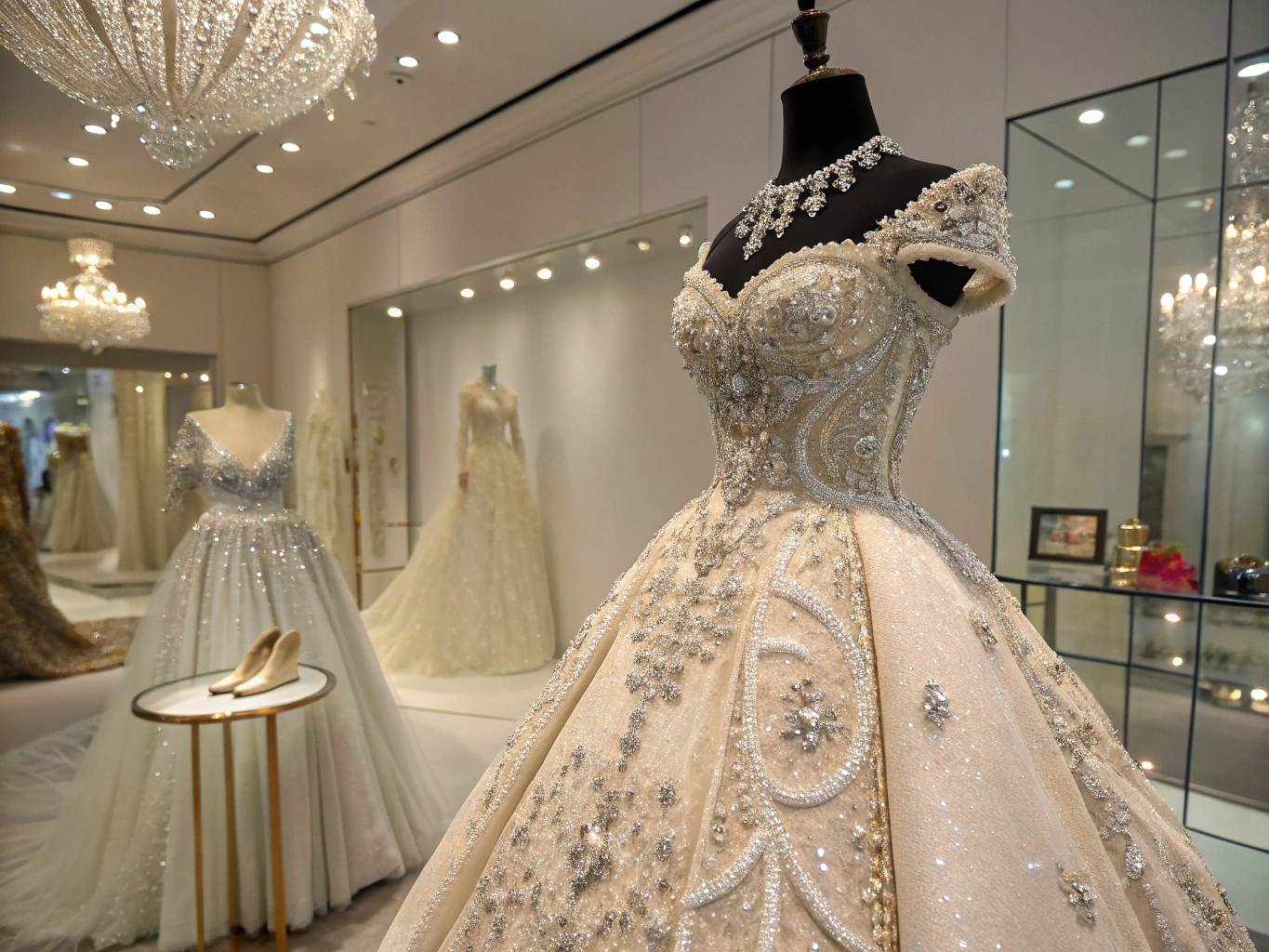
Before we explore pricing, let’s establish what a complete bridal look actually includes. Many brides focus solely on the dress, only to realize they’ve forgotten essential components that impact the overall budget.
The Complete Bridal Ensemble Checklist:
Foundation Pieces:
- Wedding gown ($500–$8,000 typical range)
- Bridal undergarments (seamless bra, shapewear, $50–$200)
- Comfortable getting-ready robe (silky, photo-worthy, $30–$150)
Finishing Touches:
- Veil or headpiece ($100–$1,500)
- Bridal shoes (comfortable yet elegant, $80–$600)
- Statement jewelry (earrings, necklace, bracelet, $50–$5,000+)
Ceremony Essentials:
- Garter (traditional, $20–$100)
- Something blue accent (often incorporated into the above)
Smart Substitutions to Consider:
Swap a cathedral-length veil for a fresh flower crown—you’ll save $200–$800 while achieving that romantic, bohemian aesthetic that photographs beautifully.
Trade designer bridal heels for embellished block heels from ASOS or DSW. Your feet will thank you during the reception, and nobody sees them under a full skirt anyway. Trust me, I learned this the hard way at my cousin’s wedding!
Consider a convertible dress with a detachable train instead of two separate ceremony and reception outfits. Brands like BHLDN and Azazie offer stunning options that give you versatility without the double price tag.
The textures you choose matter enormously—imagine the whisper of silk charmeuse against your skin versus the structured embrace of mikado satin. Both are beautiful, but they feel entirely different and carry vastly different price tags.
Styling Time: Planning Your Bridal Look
Here’s a reality check that most bridal magazines won’t tell you: finding and finalizing your wedding dress takes significantly longer than you’d expect.
The Timeline Breakdown:
| Stage | Average Duration | Budget Brides | Luxury Brides |
|---|---|---|---|
| Research & inspiration | 2–4 weeks | 1–2 weeks | 4–8 weeks |
| Boutique appointments | 3–6 visits | 2–3 visits | 8–12 visits |
| Ordering & production | 4–6 months | 2–3 months | 6–12 months |
| Alterations | 2–3 fittings | 1–2 fittings | 3–5 fittings |
My real-world insight: I always recommend starting your dress search 9–12 months before your wedding date. This gives you breathing room for production delays (which happened frequently post-pandemic) and multiple alteration appointments.
According to a 2023 WeddingWire survey, brides who started shopping early spent 23% less on their gowns compared to those who rushed the process. Why? Early birds have time to comparison shop, wait for trunk shows, and consider custom options that cost less than designer rush fees.
Think of it this way: that capsule wardrobe I created saves me 15 minutes every morning compared to my old closet chaos. Similarly, a well-planned bridal timeline saves stress, money, and those panic-induced decisions we all regret.
Step-by-Step Styling Guide: Finding Your Perfect Wedding Dress
Step 1: Establish Your True Budget (Be Honest!)
Before entering any boutique, determine your all-in dress budget—not just the gown price.
Here’s my formula:
Total Dress Budget = Gown + Alterations (10–15% of gown price) + Accessories (10–20% of gown price) + Emergency Fund (5%)
If your total dress budget is $3,000, your gown budget should be approximately $2,000–$2,200.
Stylist trick: Tell boutique consultants your budget is 15–20% lower than your actual maximum. They’ll show you options within range, and if you fall in love with something slightly higher, you have wiggle room without breaking the bank.
Step 2: Identify Your Silhouette Sweet Spots
Understanding which silhouettes complement your body type can prevent hours of frustration.
- A-line: Universally flattering; flows from the waist like a letter A
- Ball gown: Cinches the waist dramatically; adds volume below
- Mermaid/Trumpet: Hugs curves; dramatic flair at the knee or below
- Sheath: Sleek and body-skimming; minimal fabric
- Empire: High waistline; elongates the torso
My personal tip: Wear nude seamless underwear and bring a strapless bra to appointments. You’ll see the true silhouette without distraction.
Step 3: Decode Fabric Costs
This is where wedding dress prices vary most dramatically.
| Fabric | Price Impact | Characteristics |
|---|---|---|
| Polyester blends | $ | Affordable, holds shape, less breathable |
| Crepe | $$ | Modern, wrinkle-resistant, comfortable |
| Chiffon | $$ | Light, flowy, romantic |
| Satin (duchesse) | $$$ | Lustrous, structured, photographs beautifully |
| Silk | $$$$ | Breathable, luxurious drape, ages gracefully |
| Mikado | $$$$ | Structured silk blend, architectural |
| French lace | $$$$$ | Intricate, handcrafted, heirloom quality |
Step 4: Evaluate Embellishment Levels
Hand-beaded Swarovski crystals can add $1,000–$5,000+ to your dress price. Meanwhile, machine-applied sequins or subtle embroidery might add only $200–$500.
Ask yourself: Will these details show in photos? If you’re having an outdoor garden wedding, elaborate beading might not be as impactful as quality fabric that moves beautifully in the breeze.
Step 5: Consider the Designer Factor
Designer names significantly impact wedding gown pricing. Here’s a general breakdown:
- Budget designers (Azazie, BHLDN, David’s Bridal): $200–$1,500
- Mid-range designers (Maggie Sottero, Allure, Stella York): $1,200–$3,500
- Premium designers (Pronovias, Jenny Yoo, Wtoo): $2,500–$5,500
- Luxury designers (Vera Wang, Monique Lhuillier, Oscar de la Renta): $4,000–$25,000+
- Haute couture (custom, handcrafted masterpieces): $15,000–$500,000+
Step 6: Factor in Customization Costs
Standard alterations (hemming, bustle, taking in sides) typically cost $300–$800. However, custom modifications like adding sleeves, changing necklines, or adding a corset back can range from $150–$1,000 each.
Budget insider tip: Choose a dress that fits your vision as-is whenever possible. Every custom change adds cost and alteration complexity.
Step 7: Account for Hidden Fees
Many brides forget these sneaky extras:
- Pressing/steaming: $75–$200
- Preservation/cleaning: $250–$500
- Rush fees: 20–40% markup
- Plus-size upcharges: $50–$200 (unfortunately still common, though changing)
- Sample sale final sales: No returns, often no alterations included
Fashion Fit & Comfort Insights for Your Big Day
Let’s get real: you’ll wear your wedding dress for 8–14 hours on one of the most photographed days of your life. Fit and comfort aren’t luxuries—they’re necessities.
Fabric Breathability Matters
According to textile research, natural fibers like silk and cotton blends are 40% more breathable than synthetic alternatives. If you’re planning a summer wedding or outdoor ceremony, this isn’t trivial.
I styled a June bride in Miami who insisted on a polyester ball gown because it was $800 cheaper than the silk alternative. She spent her entire reception hiding in the air-conditioned bathroom, and her makeup melted by hour three. Sometimes, comfort is worth the investment.
The Weight Factor
Ball gowns can weigh 15–30 pounds, while a simple sheath might be just 3–5 pounds. If you’re planning elaborate first dances or a ceremony with lots of movement, consider the physical demands.
Experiential note: I tried on a stunning beaded Marchesa gown once. Gorgeous? Absolutely. But after 20 minutes, my shoulders ached from the weight. I knew immediately it wasn’t practical for a full wedding day.
Fit Considerations by Body Type
- Busty brides: Look for structured bodices with boning; consider adding extra support or cups
- Apple shapes: Empire waists create beautiful lines; avoid clingy fabrics around the midsection
- Pear shapes: A-lines balance proportions beautifully; draw attention upward with detailed bodices
- Petite frames: Vertical design elements elongate; avoid overwhelming volumes
Sustainable & Affordable Wedding Dress Alternatives
Here’s where things get exciting for budget-conscious and eco-minded brides.
Budget-Friendly Options:
Sample sales offer designer gowns at 40–70% off. Yes, they may have minor flaws (a small stain, missing buttons), but skilled alterations professionals work magic.
Pre-owned marketplaces like Still White, Nearly Newlywed, and Poshmark feature once-worn designer gowns at fraction-of-retail prices. I’ve seen Vera Wang dresses listed for $1,200 that originally retailed for $6,000.
Non-traditional retailers like ASOS, Reformation, Lulus, and even Anthropologie’s BHLDN offer beautiful options under $500.
Sustainable Choices:
Rent the Runway and similar services now offer bridal options. Why let a $5,000 gown sit in storage forever when you can rent your dream designer for $500?
Vintage and antique dresses carry history, character, and unique details you won’t find in modern designs. Plus, they’re the ultimate sustainable choice.
Consider heirloom restoration. My friend wore her grandmother’s 1962 gown, professionally restored for $600. The emotional value? Priceless.
Eco-conscious brands like Reformation, Wear Your Love, and Leanne Marshall use sustainable fabrics and ethical production practices. They prove that being environmentally responsible doesn’t mean sacrificing style.
Outfit Pairing Suggestions for Every Season
Spring Weddings:
Pair a romantic lace A-line with delicate pearl drop earrings and nude block heels. Add a lightweight tulle cape for ceremony drama that removes easily for the reception.
Summer Weddings:
Choose breathable chiffon or silk crepe. Style with minimal jewelry (less skin irritation from sweat), strappy sandals, and a fresh flower hair accessory that complements your bouquet.
Fall Weddings:
A structured mikado ball gown looks stunning against autumn foliage. Add champagne-toned accessories, vintage-inspired jewelry, and a faux fur stole for outdoor photos.
Winter Weddings:
Rich fabrics like velvet or heavy satin feel seasonally appropriate. Consider long sleeves, dramatic trains, and crystal embellishments that catch candlelight beautifully.
Personalized Pairing Tips:
If you’re petite: Keep accessories proportionate. Oversized statement earrings might overwhelm your frame. Ankle boots balance better than knee-high styles if your dress allows visible footwear.
If you’re tall: Embrace dramatic trains and cathedral veils! Your height carries volume beautifully.
If you’re plus-size: Don’t shy away from embellishments—strategic beading can create gorgeous focal points. Belt details at the natural waist define your silhouette elegantly.
Common Wedding Dress Shopping Mistakes to Avoid
Mistake #1: Bringing Too Many Opinions
According to bridal consultants, appointments with more than 4 guests have 37% higher cancellation rates due to decision paralysis. Bring your inner circle only.
Mistake #2: Ignoring Comfort for Aesthetics
If you can’t sit, breathe, or move freely, you won’t enjoy your day. Period.
Mistake #3: Forgetting Venue Appropriateness
A cathedral-length train doesn’t work for beach sand. A minimalist slip dress might feel underwhelming in a grand ballroom. Consider context.
Mistake #4: Underestimating Alteration Budgets
Industry data shows 92% of wedding dresses require some alteration. Budget accordingly.
Mistake #5: Shopping Too Early After Engagement
Your style preferences (and potentially your body) may change over a long engagement. Starting 9–12 months out is ideal.
Mistake #6: Dismissing “Imperfect” Dresses
Sample sale dresses, pre-owned gowns, and non-traditional options deserve consideration. Many of my favorite styled brides wore unconventional choices.
Clothing Care & Storage Tips for Your Wedding Gown
Before the Wedding:
- Store your dress in a breathable garment bag—not plastic, which can trap humidity and cause yellowing
- Hang from interior loops, not shoulder straps, to prevent stretching
- Steam, don’t iron, to remove wrinkles (or hire professionals)
Day-Of Care:
- Designate someone to manage your train during photos and bustle it for the reception
- Keep a “bridal emergency kit” with stain wipes, fashion tape, and needle/thread
Post-Wedding Preservation:
- Clean within two weeks—stains set permanently over time
- Professional preservation typically costs $250–$500
- Store in acid-free tissue and boxes, not vacuum-sealed bags
Pro tip I learned the hard way: Never store your dress in an attic or basement where temperature fluctuations can damage delicate fabrics. A climate-controlled closet is ideal.
Conclusion: Finding Your Dream Dress Within Budget
Understanding how expensive wedding dresses are empowers you to make choices aligned with your priorities. Whether you splurge on luxurious silk or save with a stunning sample sale find, the right dress is one that makes you feel radiant, comfortable, and authentically yourself.
Remember these key takeaways:
✨ Budget holistically: Factor in alterations, accessories, and hidden fees
✨ Start early: Time equals options and savings
✨ Prioritize comfort: You’ll thank yourself during hour ten of celebrating
✨ Consider alternatives: Pre-owned, sustainable, and non-traditional options offer incredible value
✨ Trust your instincts: When you know, you know
Ready to continue your wedding planning journey? Explore our seasonal wedding style guides, discover budget-friendly accessory recommendations, or share your dress shopping story in the comments below. I’d love to hear what factors matter most to you!
Frequently Asked Questions About Wedding Dress Prices
How much should I realistically budget for a wedding dress?
Most bridal consultants recommend budgeting 5–10% of your total wedding budget for your gown. For a $30,000 wedding, that’s $1,500–$3,000. However, prioritize based on what matters to you—some brides happily spend 15% on their dress while cutting costs elsewhere.
Why are wedding dresses so expensive compared to regular dresses?
Wedding dresses involve specialized construction (boning, internal structure, bustles), higher-quality fabrics, intricate details, and smaller production runs. The “wedding industrial complex” also adds markup—similar items marketed for non-bridal occasions often cost less.
Can I find a beautiful wedding dress under $500?
Absolutely! Retailers like Lulus, ASOS, and Azazie offer gorgeous options under $500. Sample sales, pre-owned marketplaces, and non-traditional shopping (department stores, formal wear sections) also yield stunning affordable finds.
Are alterations always necessary for wedding dresses?
Approximately 92% of brides require some alterations, even with dresses that initially seem to fit perfectly. Budget $300–$800 for standard alterations, more for extensive modifications.
Is it worth buying a designer wedding dress?
Designer dresses typically feature superior construction, higher-quality fabrics, and better customer service. However, lesser-known brands can offer comparable quality at lower prices. Try both and let your eyes (and hands) decide.
How far in advance should I buy my wedding dress?
Ideally, 9–12 months before your wedding date. This allows time for ordering, production (typically 4–6 months), and multiple alteration appointments without rush fees.
Are plus-size wedding dresses more expensive?
Unfortunately, many designers still charge plus-size upcharges ($50–$200). However, size-inclusive brands like BHLDN, Torrid, and Azazie offer beautiful options without discriminatory pricing. Always ask about sizing fees upfront.
Found this guide helpful? Pin it for later, share with your engaged friends, and explore our complete bridal style series for more wedding day inspiration!



Add comment