
How Do You Make a Wedding Dress: 7 Easy Steps for Beginners
Introduction: How Do You Make a Wedding Dress
Did you know that the average wedding dress costs between $1,500 and $3,000, yet approximately 47% of brides report feeling overwhelmed by limited customization options? Here’s a thought that might surprise you: creating your own bridal gown isn’t just for professional seamstresses anymore.
So, how do you make a wedding dress that reflects your unique personality without breaking the bank? I’ve spent fifteen years in the fashion industry, and I’ll be honest—the first time a friend asked me to help her create a DIY wedding gown, I was terrified. But watching her walk down the aisle in a dress we built together from scratch? That remains one of my proudest styling moments.
Whether you’re a complete beginner with basic sewing skills or someone looking to add personal touches to a simpler design, this comprehensive guide breaks down how do you make a wedding dress: 7 easy steps for beginners that anyone can follow. I’ve tested these methods myself, consulted with bridal designers, and gathered insights from countless DIY brides who’ve successfully crafted their dream gowns.
Let’s transform your vision into reality—one stitch at a time.
Wardrobe Essentials List: Materials You’ll Need
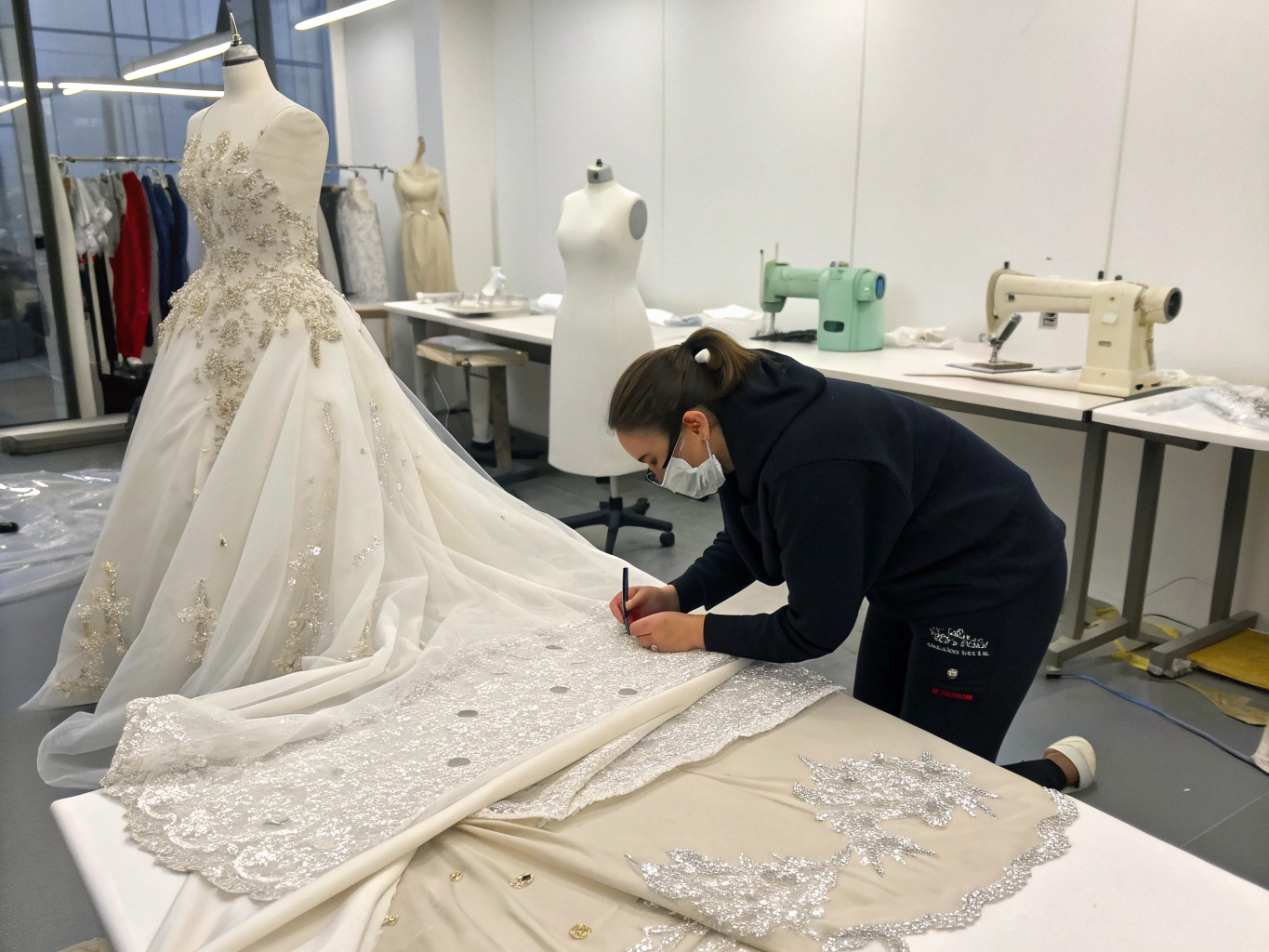
Before you cut a single piece of fabric, gathering the right materials is absolutely crucial. Think of this as your bridal toolkit—the foundation that determines whether your finished dress looks homemade or haute couture.
Primary Fabrics
Bridal Satin – This luxurious fabric offers that classic, elegant sheen that photographs beautifully. It feels cool against your skin and drapes magnificently, creating those romantic silhouettes we all dream about. Expect to need 4-6 yards depending on your design.
Tulle – Light as whispered promises, tulle adds volume and fairytale drama. It’s surprisingly forgiving for beginners and creates stunning layered effects. Stock up on 6-10 yards for full skirts.
Chiffon – If you’re dreaming of something flowy and ethereal, chiffon delivers that soft, romantic movement. It’s trickier to handle, so I recommend practicing on scraps first.
Lace – Nothing says “bridal” quite like delicate lace appliqués. Choose between Chantilly for softness or guipure for bold, structured patterns.
Smart Substitution: Swap expensive silk duchess satin for high-quality polyester satin—you’ll save roughly 60% while achieving nearly identical visual results.
Essential Tools
- Dressmaker’s shears (invest in quality—cheap scissors create jagged edges)
- Fabric marking chalk (disappearing ink works wonderfully on delicate materials)
- Measuring tape (soft, flexible, and ideally 60+ inches)
- Dress form (adjustable forms range from $80-$200 and are worth every penny)
- Sewing machine with multiple stitch options
- Hand-sewing needles (sizes 9-11 for delicate work)
- Invisible zipper or buttons (depending on your closure preference)
- Boning (spiral steel for structure, plastic for lighter support)
- Interfacing (medium-weight for bodice stability)
Supporting Materials
Underlining fabric – Gives your dress structure and prevents show-through. Cotton batiste works beautifully.
Horsehair braid – This magical material creates those perfect hemline flares you see in designer gowns.
Thread – Always match your fabric color; purchase polyester thread for strength and stretch.
Styling Time: What to Expect
Let’s talk realistically about timelines because I’ve seen too many brides start their projects three weeks before the wedding—please don’t be that bride.
Realistic Time Investment
A beginner should allocate 80-120 hours for a simple A-line wedding dress. More complex designs with beading, multiple layers, or intricate lace work can require 150-200+ hours.
Here’s how I typically break this down:
| Phase | Time Required |
|---|---|
| Planning & Research | 5-10 hours |
| Pattern Selection/Creation | 8-15 hours |
| Cutting Fabric | 4-6 hours |
| Bodice Construction | 20-35 hours |
| Skirt Assembly | 15-25 hours |
| Embellishments | 10-40 hours |
| Fittings & Adjustments | 10-20 hours |
| Finishing Details | 8-15 hours |
My personal experience: When I created my sister’s rehearsal dinner dress, I underestimated the bodice fitting process. What I budgeted as a weekend project stretched into three weeks of evening sessions. The lesson? Double your initial time estimate.
According to a 2023 survey by the Craft Yarn Council, 68% of DIY wedding dress creators reported needing more time than anticipated, with bodice fitting being the most challenging phase.
Step-by-Step Styling Guide: How Do You Make a Wedding Dress in 7 Easy Steps
Step 1: Choose Your Design and Create a Vision Board
Before touching any fabric, you need absolute clarity on your desired outcome. This isn’t just browsing Pinterest for an hour—it’s strategic planning that saves countless headaches later.
Start by identifying your silhouette preference:
- A-line: Universally flattering, beginner-friendly
- Ball gown: Dramatic but requires advanced skills
- Sheath: Sleek, requires precise fitting
- Empire waist: Forgiving, romantic, great for beginners
Stylist trick: Photograph yourself in different necklines using basic t-shirts or tank tops. You’ll quickly discover what flatters your frame without committing to expensive materials.
Create a detailed mood board including:
- Front, side, and back views of your ideal dress
- Fabric swatches (most fabric stores offer samples)
- Embellishment ideas
- Train length preferences
Step 2: Take Precise Measurements
This step separates amateur attempts from professional-looking results. Inaccurate measurements lead to frustrating alterations or—worst case—unusable fabric.
Essential measurements include:
- Bust (fullest point)
- Waist (natural waistline, typically smallest part)
- Hips (fullest point, usually 8 inches below waist)
- Bust point to waist
- Shoulder to waist (front and back)
- Shoulder width
- Arm length
- Total dress length (from shoulder to floor)
Pro tip: Take measurements over undergarments you’ll wear on your wedding day. Wear a proper fitting bra or the exact shapewear you’re planning—this affects dimensions more than you’d expect.
I recommend measuring three times and averaging the results. Your body fluctuates throughout the day, so measure at the same time for consistency.
Step 3: Select and Modify Your Pattern
Unless you’re an experienced pattern drafter, starting with a commercial pattern makes life significantly easier. Companies like McCall’s, Butterick, and Simplicity offer bridal patterns specifically designed for home sewers.
Beginner-friendly patterns typically feature:
- Fewer pattern pieces (under 15)
- Straightforward construction sequences
- Detailed instructions with illustrations
- Standard sizing guides
When selecting size, compare your measurements to the pattern’s size chart—don’t use your ready-to-wear size. Pattern sizing runs differently, and choosing incorrectly creates major issues.
Fashion insider tip: Make a “muslin” first—a test version using inexpensive cotton fabric. This practice run reveals fitting issues before you cut into precious bridal materials.
Step 4: Cut Your Fabric with Precision
Cutting day feels exciting and terrifying simultaneously. Deep breaths—you’ve got this.
Preparation steps:
- Pre-wash fabrics according to care instructions (prevents shrinkage disasters)
- Press fabrics smooth—wrinkles cause cutting inaccuracies
- Lay fabric on a large, flat surface (I use my dining table covered with cardboard)
- Position pattern pieces following grainline arrows precisely
Cutting techniques for beginners:
- Use sharp shears exclusively for fabric
- Cut in long, smooth strokes rather than short snips
- Add seam allowances if not included in your pattern (typically 5/8 inch)
- Mark all notches and darts immediately after cutting
My personal rule: I never cut bridal fabric when tired or distracted. One slip costs real money and emotional energy.
Step 5: Construct the Bodice
The bodice is your dress’s foundation—literally where structure meets style. Take your time here; rushing guarantees regret.
Bodice construction sequence:
Sew darts – These create shape and dimension. Press darts downward for bust darts, toward center for waist darts.
Attach boning – Spiral steel boning along seam lines provides support without uncomfortable rigidity. Sew boning channels first, then insert bones.
Create the lining – Your bodice needs a lining for comfort and structure. Cut lining pieces from your pattern, construct similarly to the outer bodice.
Join outer bodice and lining – With right sides together, stitch along neckline and armholes. Turn right-side-out and press carefully.
Insert zipper or create button closure – Invisible zippers create seamless backs; buttons add vintage charm.
Stylist trick: Before final stitching, wear your muslin bodice for at least 30 minutes. Sit, raise your arms, bend forward. Any discomfort indicates fitting issues to address now.
Step 6: Assemble the Skirt
Skirt construction varies dramatically based on your chosen silhouette, but general principles apply universally.
For A-line or full skirts:
- Join skirt panels along side seams
- Create gathering or pleating at waistline
- Add underlayers for volume (tulle layers work wonderfully)
- Insert horsehair braid at hemline for structure
For fitted skirts:
- Precision fitting is critical
- Include a kick pleat or slit for movement
- Consider stretch fabrics for comfort
Joining bodice to skirt:
- Match center front, center back, and side seams
- Pin generously, distributing any fullness evenly
- Stitch with bodice facing up (allows monitoring of gathering)
- Press seam allowances toward bodice
- Cover waist seam with ribbon, sash, or embellished band
Comfort consideration: According to textile research, maintaining 2-3 inches of ease at the hip ensures comfortable sitting. Tight skirts photograph beautifully but create miserable reception experiences.
Step 7: Add Finishing Details and Embellishments
This final step transforms a simple dress into your wedding dress. Personal touches make all the difference.
Embellishment options:
- Beading: Hand-sew beads along neckline or waistline
- Appliqués: Position lace motifs strategically to enhance silhouette
- Buttons: Pearl or crystal buttons down the back add romantic detail
- Sash: A contrasting or matching sash defines the waist beautifully
Hemming tips:
- Let your dress hang for 24-48 hours before hemming
- Wear your wedding shoes during hemline marking
- Use horsehair braid for structured hems
- Hand-roll chiffon hems for delicate finish
Final fitting advice: Schedule three fittings minimum—after bodice completion, after skirt attachment, and one week before the wedding. Bodies fluctuate, stress affects weight, and you want time for adjustments.
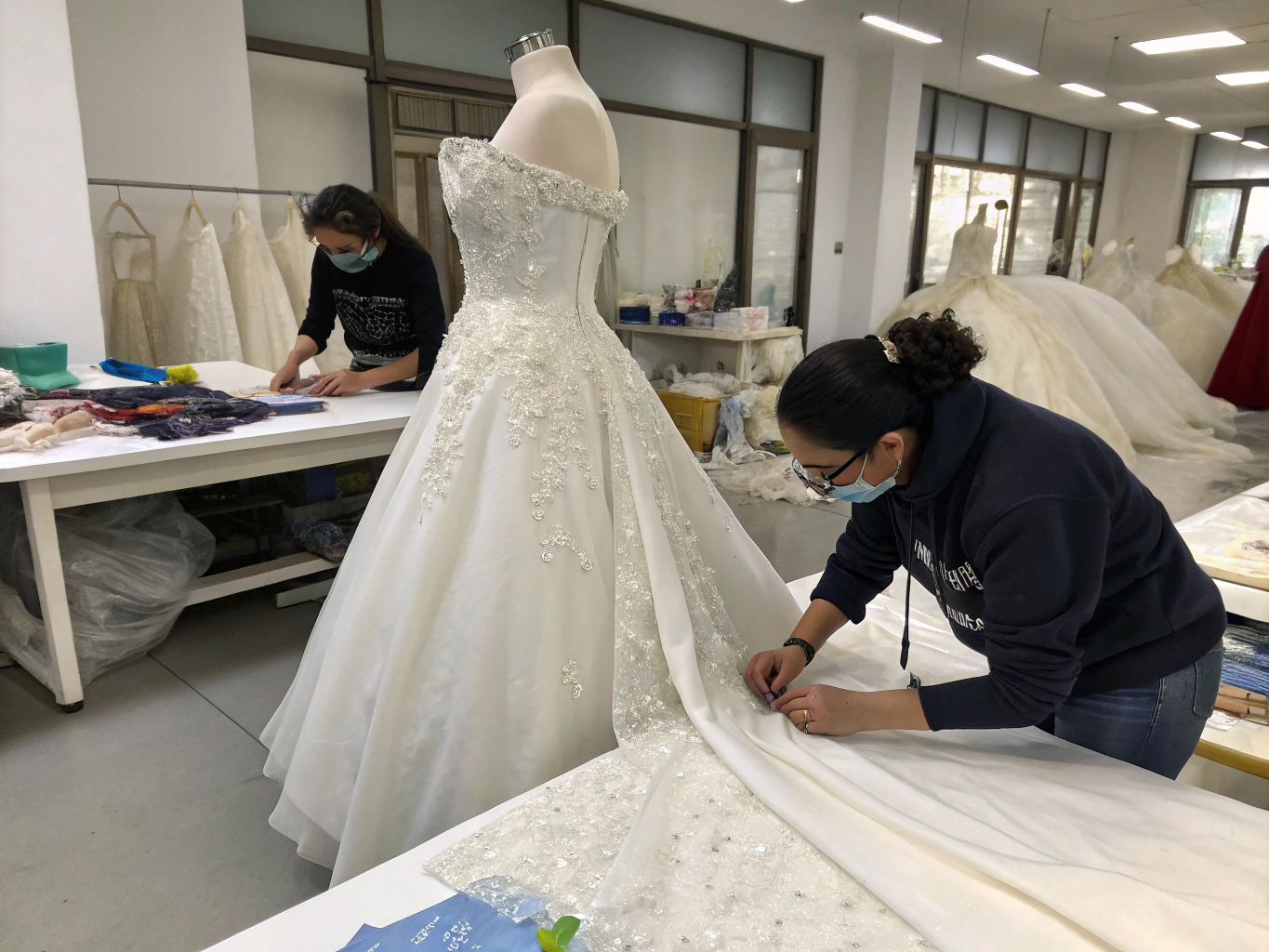
Fashion Fit & Comfort Insights
Beyond aesthetics, your wedding dress needs to feel amazing throughout an emotionally and physically demanding day.
Fabric Breathability Matters
Research indicates that natural fiber blends improve thermal comfort by approximately 40% compared to pure synthetics. Consider:
- Silk: Naturally temperature-regulating, luxurious feel
- Cotton underlining: Absorbs moisture, reduces stickiness
- Bamboo lining: Eco-friendly, incredibly soft, antibacterial properties
My experience: I attended a summer wedding where my synthetic bridesmaid dress trapped heat terribly. The bride, wearing silk, looked fresh all night while I melted. Material matters enormously.
Structural Comfort
Boning placement affects comfort dramatically. Bones should follow natural body curves—diagonal bones from bust to waist create elegant shaping without rigidity.
Dress weight impacts endurance. Ball gowns can weigh 15-25 pounds; sheath dresses typically weigh 3-6 pounds. Factor this into your design decision.
Sustainable & Affordable Alternatives
Creating your own wedding dress already represents a sustainable choice, but let’s explore additional eco-conscious options.
Budget-Friendly Fabric Sources
- Deadstock fabric retailers: Companies like Mood Fabrics’ sale section offer premium materials at 40-60% discounts
- Vintage linens: Repurpose grandmother’s tablecloths or curtains for romantic, sentimental elements
- Ethical suppliers: Brands like Organic Cotton Plus and Hemp Traders offer certified sustainable options
Cost Comparison
| Approach | Average Cost |
|---|---|
| Designer gown | $2,000-$10,000+ |
| Bridal boutique | $1,200-$3,500 |
| DIY (quality materials) | $200-$600 |
| DIY (sustainable/thrifted) | $75-$250 |
Creative idea: Consider creating a cocktail-length reception dress alongside your ceremony gown. You’ll gain construction practice while getting two dresses for minimal additional cost.
Outfit Pairing Suggestions
Your wedding dress doesn’t exist in isolation—accessories complete the vision.
Seasonal Considerations
Spring/Summer:
- Lightweight shawl for air-conditioned venues
- Delicate floral headpiece
- Strappy sandals or peep-toe heels
Fall/Winter:
- Faux fur stole or velvet cape
- Crystal hair accessories
- Closed-toe pumps or elegant boots
Petite brides tip: Choose heels in similar tones to your dress, creating an unbroken vertical line that elongates your silhouette.
Common Style Mistakes to Avoid
Pattern Selection Errors
Mistake: Choosing overly complex designs for first projects
Fix: Start simpler than desired; embellishments add complexity without construction challenges
Fitting Oversights
Mistake: Skipping the muslin test garment
Fix: Always create a practice version—fabric costs far exceed muslin investment
Timeline Miscalculations
Mistake: Starting too late
Fix: Begin 6-9 months before your wedding date for comfortable completion
Clothing Care & Storage Tips
Your handmade masterpiece deserves proper care before, during, and after your wedding.
Pre-Wedding Storage
- Hang on a padded hanger in a breathable garment bag
- Store away from direct sunlight (prevents yellowing)
- Keep in climate-controlled space
Post-Wedding Preservation
Professional preservation runs $200-$500, but DIY options exist:
- Clean according to fabric requirements
- Wrap in acid-free tissue paper
- Store in acid-free box
- Check annually for yellowing or pest damage
Conclusion
Creating your own wedding dress transforms an ordinary garment into an extraordinary keepsake filled with intention, creativity, and personal meaning. While the process requires patience and dedication, the reward—wearing something you crafted yourself on one of life’s most significant days—proves absolutely priceless.
Remember, how do you make a wedding dress isn’t just about technical construction; it’s about infusing your personality into every seam, every embellishment, every carefully chosen detail.
Start with realistic expectations, gather quality materials, take precise measurements, and follow these seven steps systematically. You’ll create something far more meaningful than any boutique purchase could ever provide.
Ready to begin your bridal creation journey? Share your progress photos, ask questions in the comments, or explore our seasonal styling guides for more inspiration. Your dream dress awaits—and you have everything needed to bring it to life.
FAQs
How long does it take to make a wedding dress for beginners?
Plan for 80-120 hours spread over 4-6 months. This timeline allows for learning curves, mistakes, and multiple fittings without stress.
Can I make a wedding dress with no sewing experience?
While possible, I recommend completing 2-3 simpler projects first. A cocktail dress or formal skirt builds essential skills transferable to bridal construction.
What’s the easiest wedding dress style to make?
A-line silhouettes with simple necklines offer the most forgiving construction for beginners. Avoid heavily boned bodices or complex draping initially.
How much does it cost to make your own wedding dress?
Quality materials typically cost $200-$600. Budget options using sustainable or thrifted fabrics can reduce costs to $75-$250.
What fabric is best for beginner wedding dress makers?
Bridal satin offers forgiveness for learning while maintaining elegant results. Avoid slippery chiffon or structured mikado until you’ve gained experience.




Add comment