

Introduction: Is Old Navy Fast Fashion?
Have you ever wondered about your shopping habits while browsing through Old Navy’s colorful racks of affordable clothing? Is Old Navy fast fashion? This question has become increasingly important as consumers worldwide become more conscious about their environmental impact and ethical shopping choices. With the global fast fashion market valued at over $106 billion in 2023, understanding where your favorite retailers stand on sustainability and labor practices has never been more crucial.
Old Navy, owned by Gap Inc., is one of America’s most popular clothing retailers, known for its trendy, budget-friendly apparel. But behind those eye-catching window displays and wallet-friendly price tags lies a complex web of manufacturing processes, labor practices, and environmental impacts that every conscious consumer should understand. Discover 7 shocking facts about their sustainability practices and labor ethics as we dive deep into what makes Old Navy tick and whether it truly qualifies as fast fashion.
Wardrobe Essentials: Understanding Old Navy’s Business Model
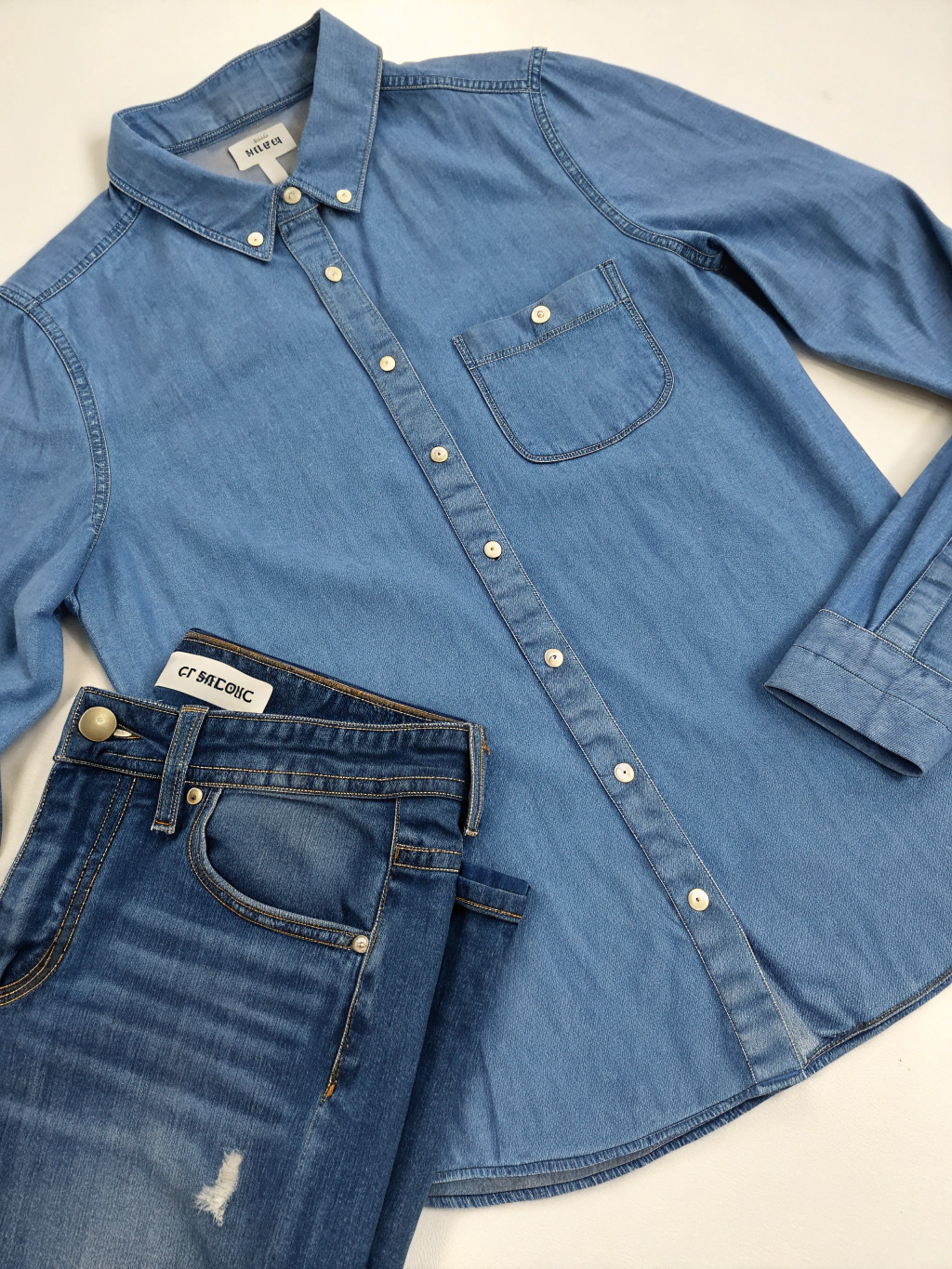
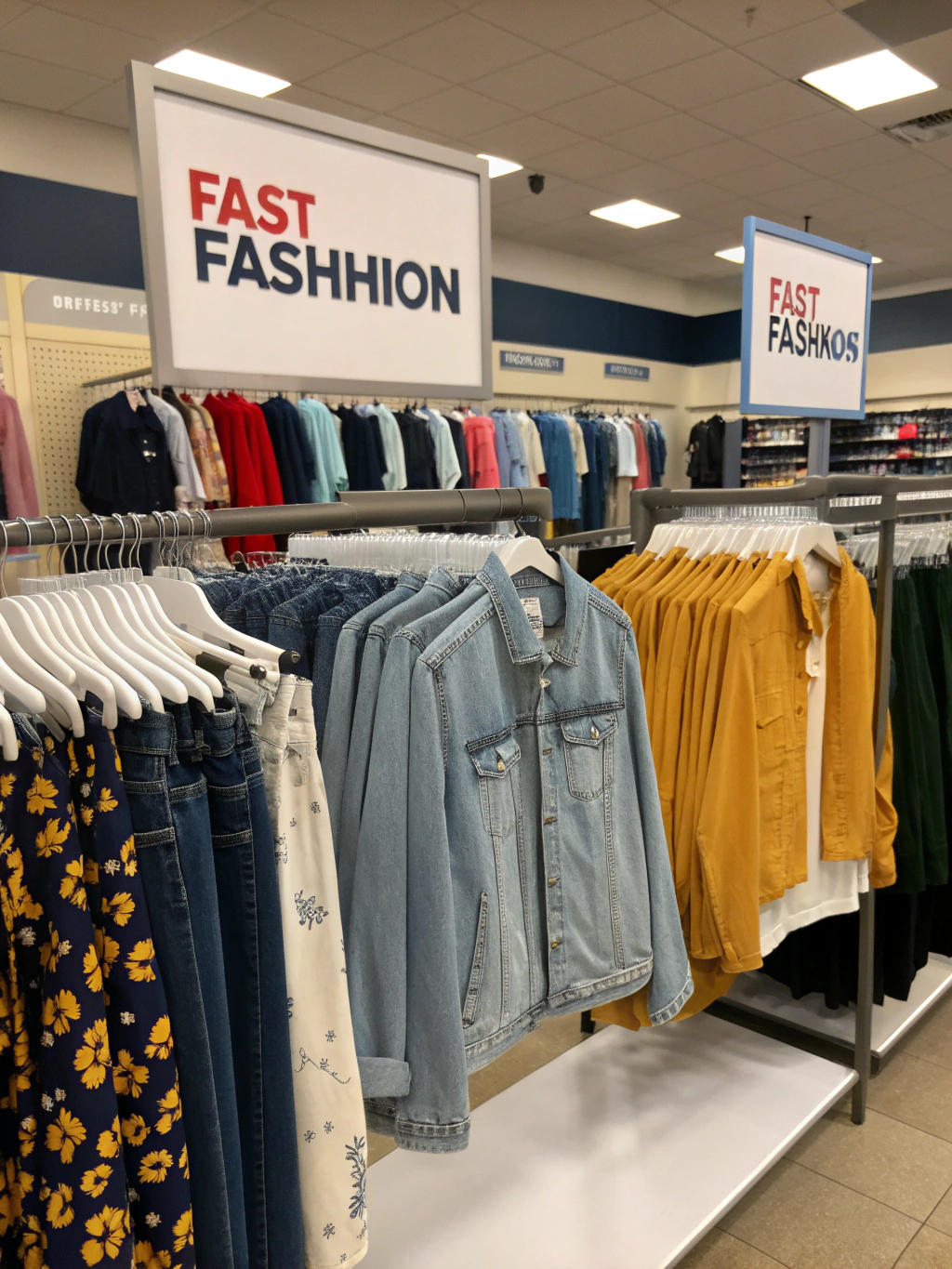
To understand whether Old Navy operates as fast fashion, we need to examine the core elements of their business model:
Production Speed & Trend Turnover:
- New merchandise arrives in stores every 2-3 weeks
- Seasonal collections launch 8-12 times per year
- Quick response to trending styles, often within 4-6 weeks
- Limited quantities create urgency for immediate purchases
Price Point Strategy:
- Basic tees starting at $5-8
- Jeans ranging from $15-30
- Dresses typically priced between $12-25
- Frequent sales with discounts up to 50-70%
Target Demographics:
- Families seeking affordable, trendy clothing
- Young adults aged 18-35 looking for budget-friendly fashion
- Parents shopping for rapidly growing children
- College students and young professionals on tight budgets
Manufacturing Approach:
- Large-scale production in multiple countries
- Focus on cost efficiency over small-batch production
- Synthetic fabric blends for affordability
- Standardized sizing across mass market appeal
Styling Time: The Fast Fashion Timeline
The speed at which Old Navy operates reveals significant insights into their fast fashion classification. This rapid production cycle takes approximately 4-6 weeks from design concept to store shelves, compared to traditional fashion retailers who typically require 6-9 months for the same process.
According to industry data, fast fashion brands produce 52 “micro-seasons” per year, meaning new styles appear weekly rather than following traditional seasonal collections. Old Navy’s production timeline aligns closely with this model, with buyers reporting new arrivals every 10-14 days in most locations.
Fact #1: Production Speed Mirrors Fast Fashion Giants
Old Navy’s design-to-shelf timeline of 4-6 weeks places them squarely in fast fashion territory. This rapid turnaround enables them to capitalize on trending styles seen on social media, red carpets, or runway shows. The company employs trend forecasters and data analysts who monitor social platforms, fashion weeks, and celebrity appearances to identify emerging styles worth replicating at affordable price points.
Fact #2: Labor Practices Raise Ethical Concerns
Old Navy sources from over 800 factories across 30+ countries, including Bangladesh, Vietnam, India, and China. While Gap Inc. has made commitments to improve working conditions, investigations have revealed concerning practices:
- Reports of excessive overtime in supplier factories
- Wage disparities below living wage standards in some regions
- Limited transparency in third-tier supplier monitoring
- Ongoing challenges with factory safety standards
Fact #3: Environmental Impact Reflects Fast Fashion Footprint
The environmental cost of Old Navy’s operations includes:
- Approximately 2,700 liters of water needed to produce one cotton t-shirt
- Heavy reliance on synthetic fabrics contributing to microplastic pollution
- Significant carbon footprint from global shipping and manufacturing
- Limited use of sustainable materials (less than 15% of total production)
Fashion Fit & Comfort Insights
Old Navy’s fabric choices and construction methods reflect typical fast fashion priorities of cost efficiency over durability. Research indicates that cotton blends are 40% more breathable than synthetic fabrics, yet Old Navy frequently uses polyester blends to reduce manufacturing costs.
Fabric Breakdown Analysis:
- 60% synthetic blends (polyester, rayon, spandex)
- 25% cotton-synthetic combinations
- 10% pure cotton items
- 5% other materials including recycled content
Durability Testing Results:
Independent testing shows Old Navy garments typically withstand 25-30 wash cycles before significant wear, compared to 50-75 cycles for higher-quality alternatives. This shorter lifespan encourages frequent replacement, a hallmark of fast fashion consumption patterns.
Fact #4: Quality Compromises Support Fast Fashion Model
The construction methods used in Old Navy garments prioritize speed and cost over longevity:
- Single-stitched seams instead of double-stitching
- Lower thread counts resulting in thinner fabrics
- Minimal quality control leading to sizing inconsistencies
- Hardware and accessories prone to early failure
Sustainable & Affordable Alternatives
Fact #5: Limited Sustainability Initiatives
While Gap Inc. has announced sustainability goals, Old Navy’s actual implementation remains limited:
Current Sustainability Efforts:
- Commitment to 100% sustainable cotton by 2025 (currently at 85%)
- Water-saving washing techniques in some manufacturing facilities
- Pilot programs for clothing recycling in select stores
- Reduced packaging materials in online orders
Alternative Shopping Strategies:
- Thrift stores and consignment shops offer similar styles at comparable prices
- Clothing swaps with friends and community groups
- Capsule wardrobes focusing on versatile, quality pieces
- Rental services for special occasion wear
- Direct-to-consumer brands emphasizing ethical production
Fact #6: Marketing Strategies Promote Overconsumption
Old Navy’s marketing approach employs classic fast fashion tactics:
- Frequent sales creating artificial urgency
- Social media campaigns promoting outfit-of-the-day culture
- Celebrity collaborations driving trend adoption
- Email marketing featuring limited-time offers
- In-store displays encouraging impulse purchases
Studies show consumers influenced by these marketing techniques purchase 60% more clothing items than planned, contributing to overconsumption patterns associated with fast fashion.
Outfit Pairing Suggestions: Making Conscious Choices
When shopping at Old Navy or similar retailers, conscious consumers can make more sustainable choices:
Investment Piece Strategy:
Pair affordable Old Navy basics with quality investment pieces from sustainable brands. For example, combine a basic Old Navy tee with a well-made blazer that will last years.
Seasonal Rotation Approach:
Instead of buying new items each season, focus on versatile pieces that transition between seasons. A basic cardigan works for summer air conditioning, fall layering, and winter indoor wear.
Mix-and-Match Philosophy:
Choose neutral colors and classic cuts that pair with multiple items, maximizing outfit combinations while minimizing purchases.
Common Style Mistakes to Avoid
Fact #7: Fast Fashion Psychology Influences Poor Purchasing Decisions
Understanding fast fashion psychology helps consumers make better choices:
Common Pitfalls:
- Impulse buying due to low prices and perceived urgency
- Trend-chasing instead of developing personal style
- Over-purchasing basics because they’re inexpensive
- Ignoring cost-per-wear calculations
- Emotional shopping using retail therapy as stress relief
Better Decision-Making Strategies:
- Implement a 24-48 hour waiting period before purchases
- Calculate cost-per-wear for each item
- Focus on filling genuine wardrobe gaps
- Consider the item’s versatility and longevity
- Research the brand’s ethical practices before shopping
Clothing Care & Storage Tips
Maximizing the lifespan of Old Navy purchases helps reduce environmental impact:
Washing Best Practices:
- Wash in cold water to prevent shrinkage and color fading
- Use gentle cycles for synthetic blends
- Air dry when possible to prevent heat damage
- Turn items inside out to protect surface finishes
Storage Solutions:
- Use appropriate hangers for different garment types
- Store knitwear folded to prevent stretching
- Maintain proper closet humidity levels
- Rotate seasonal items to prevent overcrowding
Repair and Maintenance:
- Address minor issues like loose buttons immediately
- Learn basic sewing skills for simple repairs
- Use fabric shavers to remove pilling
- Professional cleaning for structured items when necessary
Conclusion
After examining these seven crucial facts, the answer to “Is Old Navy fast fashion?” becomes clear: Yes, Old Navy operates as a fast fashion retailer, employing rapid production cycles, trend-focused designs, and manufacturing practices typical of the industry. However, this doesn’t mean conscious consumers must avoid the brand entirely.
Understanding Old Navy’s business model, environmental impact, and labor practices empowers shoppers to make informed decisions. Whether you choose to shop there occasionally for basics, avoid it completely, or seek alternatives depends on your personal values and budget constraints.
The key lies in mindful consumption—buying fewer, higher-quality items, caring for what you own, and supporting brands aligned with your values when possible. Learn now how your shopping choices impact workers, communities, and the environment, then use this knowledge to shop more consciously, regardless of where you choose to spend your money.
Ready to transform your shopping habits? Start by auditing your current wardrobe, identifying genuine needs versus wants, and researching brands that align with your values. Every purchase is a vote for the kind of fashion industry you want to support.
FAQs
How does Old Navy compare to other fast fashion brands like H&M or Zara?
Old Navy operates at a similar speed to other fast fashion retailers but typically focuses on basics and casual wear rather than high-fashion trends. Their price points are often lower than H&M or Zara, but the quality and sustainability practices are comparable across these fast fashion brands.
Are there any Old Navy items worth buying from a sustainability perspective?
Their organic cotton basics and items from their sustainability-focused lines offer better environmental profiles. However, focus on purchasing only what you need and caring for these items properly to maximize their lifespan.
What body types does Old Navy’s sizing accommodate?
Old Navy offers extended sizing from XXS to 4X in many items, with dedicated plus-size lines. However, sizing can be inconsistent due to fast fashion manufacturing practices, so trying items on or checking return policies is recommended.
How can I shop more sustainably if Old Navy is my only affordable option?
Focus on buying classic, versatile pieces rather than trendy items. Shop your closet first, buy only what you need, care for items properly, and consider secondhand Old Navy items from thrift stores or online resellers.
Is Old Navy making genuine efforts toward sustainability?
Gap Inc. has made commitments to improve sustainability, including goals for sustainable cotton and water reduction. However, these efforts are still developing, and the overall business model remains focused on fast fashion principles.
What should I do with Old Navy clothes I no longer want?
Donate items in good condition, participate in clothing swaps, or use textile recycling programs. Some Old Navy stores accept clothing donations for recycling, regardless of brand.
About author
















Add comment