

Ivory Color Wedding Gown: 7 Ways to Choose the Best Style for Your Dream Day
Introduction
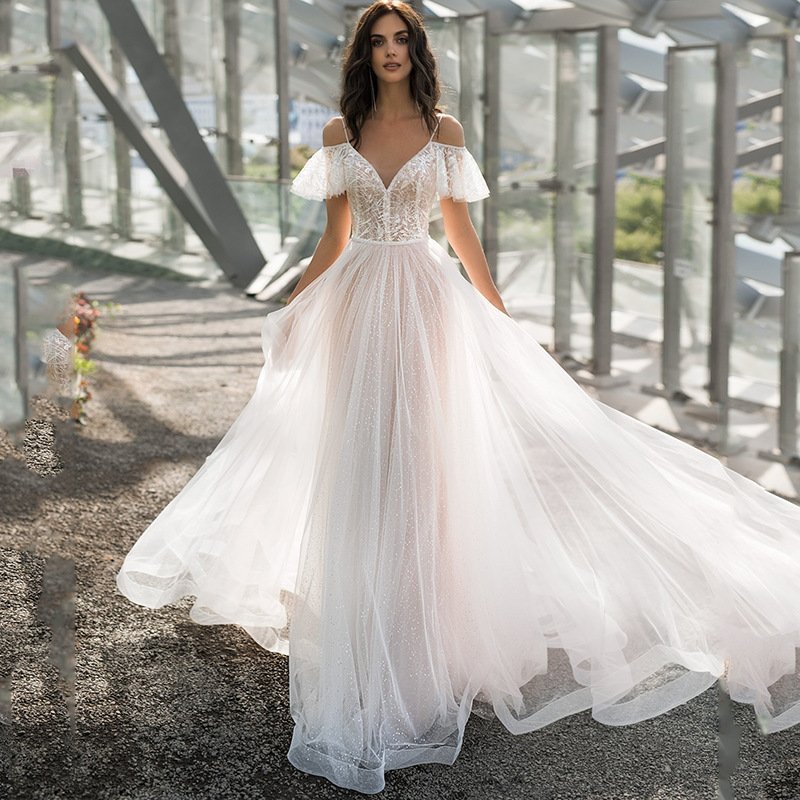
Did you know that nearly 83% of modern brides are stepping away from pure white gowns and embracing warmer, more flattering alternatives? If you’ve been scrolling through bridal magazines or Pinterest boards lately, you’ve probably noticed the stunning rise of the ivory color wedding gown as the go-to choice for fashion-forward brides everywhere.
Let me paint you a picture. Imagine standing in a bridal boutique, surrounded by rows of gorgeous gowns, and suddenly catching your reflection in a creamy, warm-toned dress that makes your skin absolutely glow. That moment? Pure magic. I’ve witnessed it countless times, and honestly, it never gets old.
Here’s the thing – choosing your wedding dress isn’t just about finding something beautiful. It’s about discovering a gown that tells your story, flatters your unique features, and makes you feel like the absolute best version of yourself. Whether you’re drawn to classic elegance or contemporary sophistication, understanding how to select the perfect ivory bridal gown can transform your entire wedding experience.
In this comprehensive guide, I’m breaking down everything you need to know about finding your dream dress. From understanding undertones to navigating different silhouettes, we’ll explore seven essential strategies that real brides and professional stylists swear by.
Wardrobe Essentials for Your Ivory Bridal Look
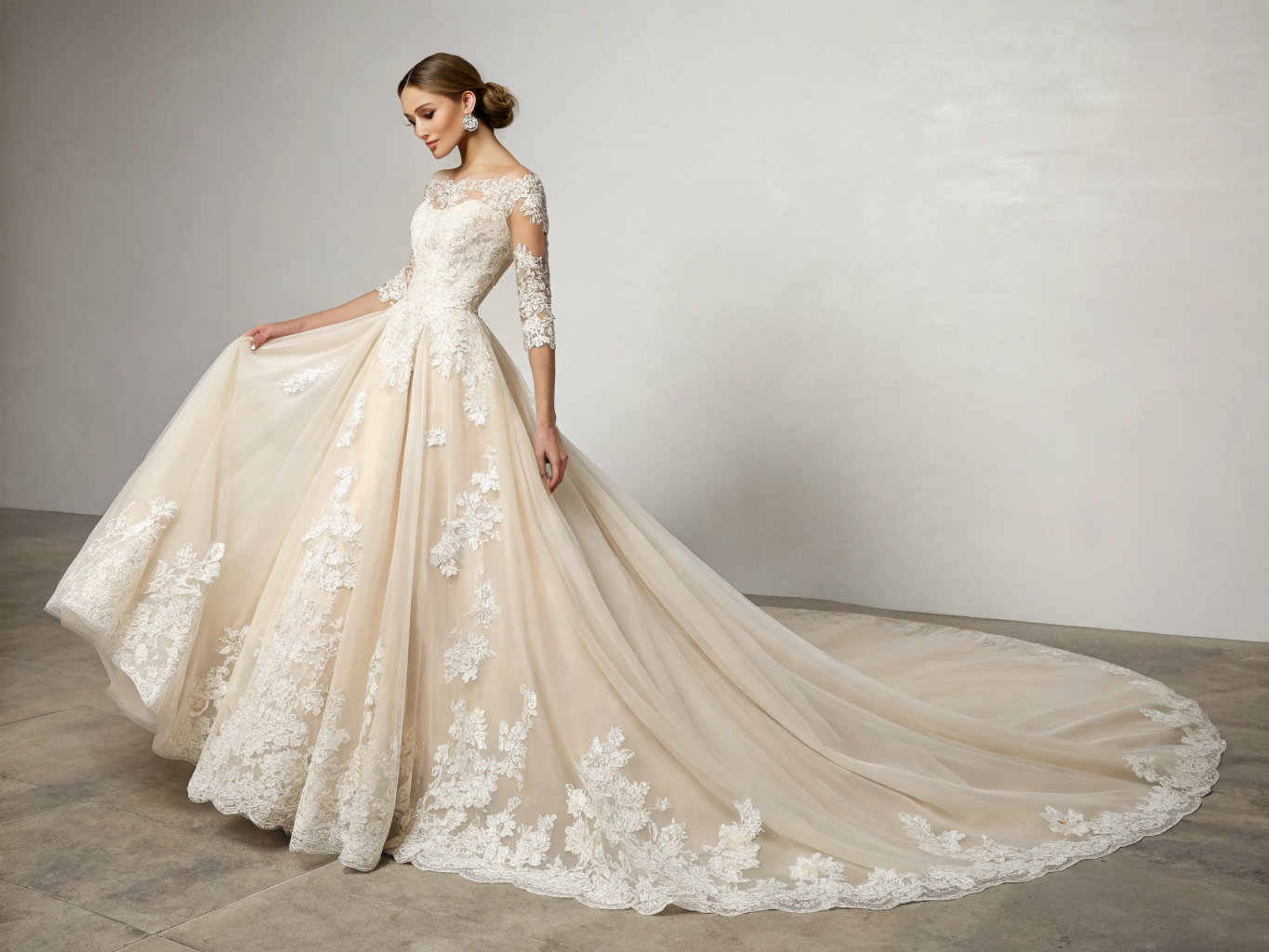
Before we dive into styling specifics, let’s talk about the foundation pieces that complete your bridal ensemble. Think of these as your non-negotiable must-haves:
The Perfect Undergarments:
- Seamless nude or ivory shapewear that disappears under fabric
- A well-fitted strapless bra or bustier (trust me, this makes all the difference)
- Comfortable bridal underwear that won’t show lines
Complementary Accessories:
- Champagne or rose gold jewelry for warm undertones
- Pearl accents that enhance ivory’s natural warmth
- Soft blush or nude heels that elongate your silhouette
Layering Pieces:
- A delicate lace bolero for ceremonies (swap for a faux fur stole if you’re having a winter wedding)
- A cathedral-length veil in matching ivory tones
- An embroidered jacket for reception dancing
The beauty of ivory lies in its versatility. Unlike stark white, which can feel harsh against certain skin tones, ivory plays beautifully with metallic accents, blush pinks, and even soft gold details. Picture the luxurious feel of silk charmeuse against your skin or the romantic texture of French lace cascading down a fitted bodice – these sensory experiences matter just as much as the visual impact.
Styling Time: Planning Your Perfect Bridal Prep
Here’s something most bridal guides won’t tell you: the time you invest in understanding your options directly correlates to how confident you’ll feel on your wedding day.
According to a 2023 bridal industry survey, brides who spend 3-6 months researching styles before their first boutique appointment report 67% higher satisfaction with their final choice. Compare that to rushed decisions, and you’ll understand why patience truly pays off.
My personal approach? I recommend dedicating at least two hours for initial research – creating mood boards, saving inspiration images, and identifying your non-negotiables. This preparation saves countless hours of boutique hopping later.
When it comes to actual dress shopping appointments, plan for 90-minute sessions maximum. Beyond that, decision fatigue sets in, and every gown starts looking the same. I learned this the hard way after accompanying a bride to her seventh appointment – she was so overwhelmed that she nearly chose a dress she later regretted.
The sweet spot? Three to four focused appointments with curated selections based on your research. This structured approach transforms the sometimes stressful dress hunt into an enjoyable, memorable experience.
Step-by-Step Styling Guide: 7 Ways to Choose Your Ivory Color Wedding Gown
Step 1: Understand Your Skin’s Undertones
Let’s get real for a moment – not all ivory shades are created equal. The secret to finding your perfect match lies in understanding undertones.
Warm undertones (think yellow, peach, or golden hints) pair beautifully with creamy, golden-ivory shades. If your veins appear more green than blue, and gold jewelry typically flatters you more than silver, you likely fall into this category.
Cool undertones (pink, red, or bluish hints) work better with silvery-ivory or champagne-leaning shades. Check your wrist – visible blue veins usually indicate cooler undertones.
Neutral undertones? Lucky you! You can essentially wear any ivory variation. Test different shades against your décolletage in natural lighting to see which makes your complexion sing.
Step 2: Consider Your Venue and Lighting
This might sound technical, but hear me out – it’s a game-changer.
Outdoor ceremonies in bright sunlight can wash out certain ivory tones, making them appear almost yellow. For garden or beach weddings, opt for crisper ivory shades that photograph beautifully in natural light.
Indoor venues with warm, ambient lighting enhance deeper ivory tones gorgeously. Candlelit ceremonies? Your ivory gown will practically glow.
I always recommend requesting fabric swatches and photographing them in your actual venue’s lighting. This simple step has saved countless brides from unexpected color surprises in their wedding photos.
Step 3: Select a Silhouette That Flatters Your Body Type
Finding the right silhouette transforms good into absolutely breathtaking. Here’s a quick breakdown:
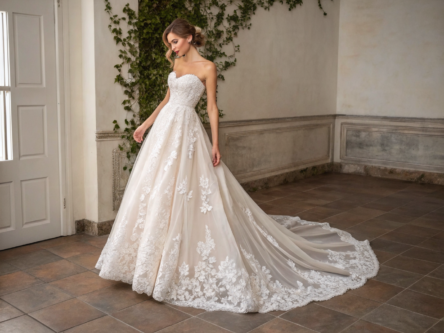
A-Line: The universal crowd-pleaser. Fitted at the waist with a gradually flaring skirt, this silhouette flatters virtually every body type. Perfect for brides who want classic elegance without fuss.
Mermaid/Trumpet: Ideal for highlighting curves. If you’re comfortable showcasing your figure and love drama, this fitted style that flares below the knee creates stunning visual impact.
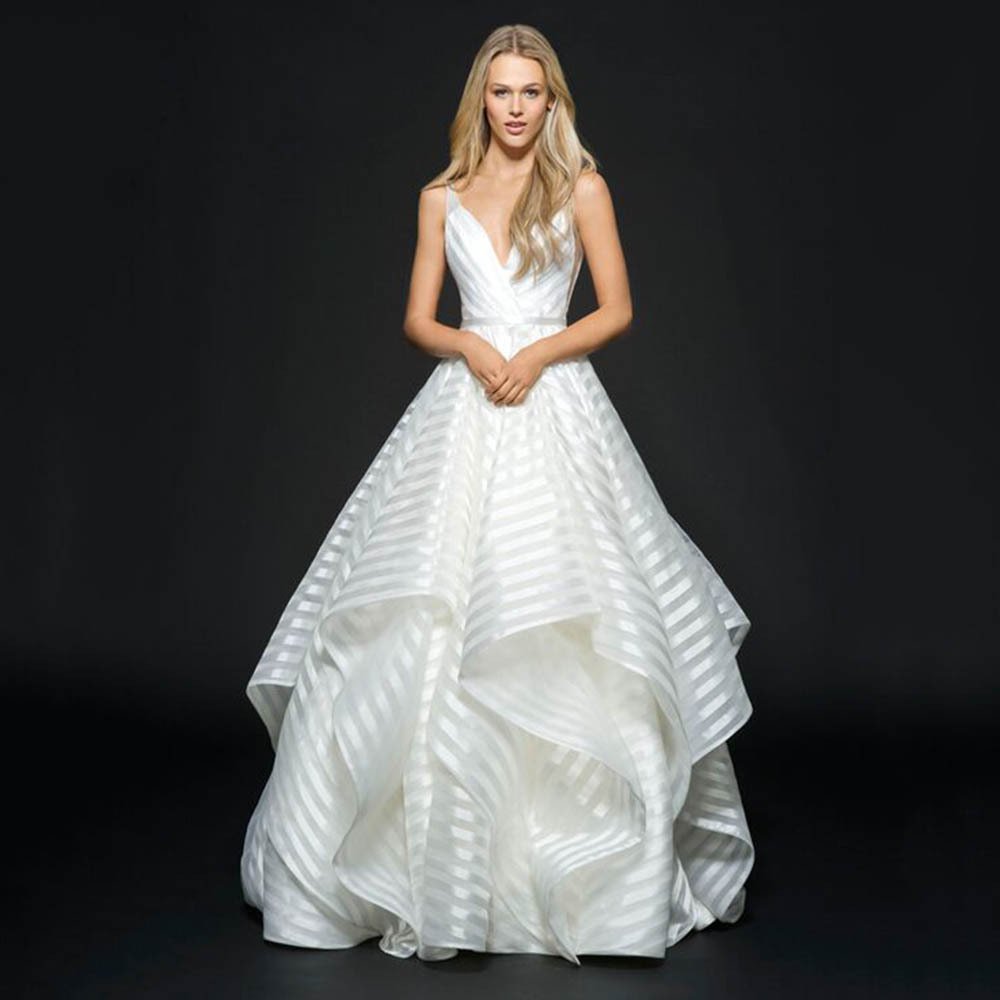
Ball Gown: The fairy tale choice. Full skirts balance wider hips and create that princess moment. Just remember – you’ll need space to move!
Sheath/Column: Sleek and sophisticated. This figure-hugging style works wonderfully for taller brides or those with straighter silhouettes seeking understated elegance.
Pro stylist trick? Try on at least one silhouette you think you’d never wear. You might surprise yourself completely.
Step 4: Explore Different Fabric Options
The fabric of your off white wedding gown dramatically affects both appearance and comfort.
Silk Satin: Luxuriously smooth with beautiful light reflection. Best for formal ceremonies but can show every imperfection underneath.
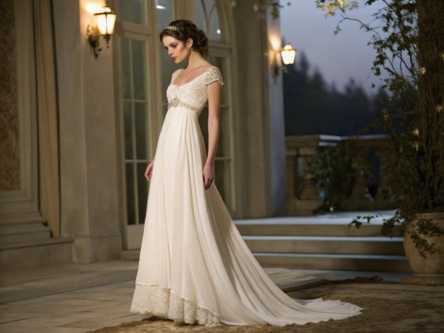
Chiffon: Lightweight and ethereal. Perfect for destination weddings or outdoor celebrations. Layers beautifully for romantic movement.
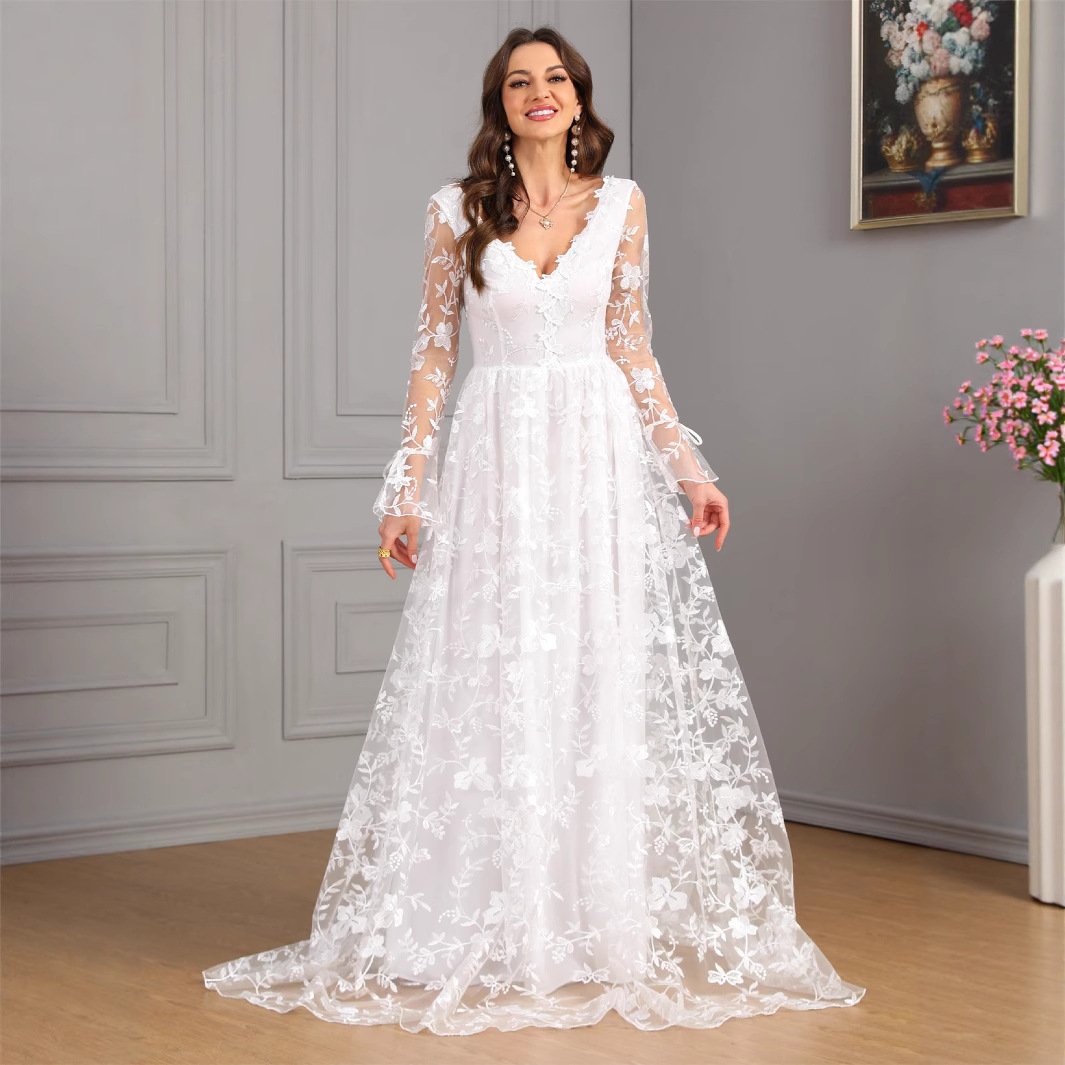
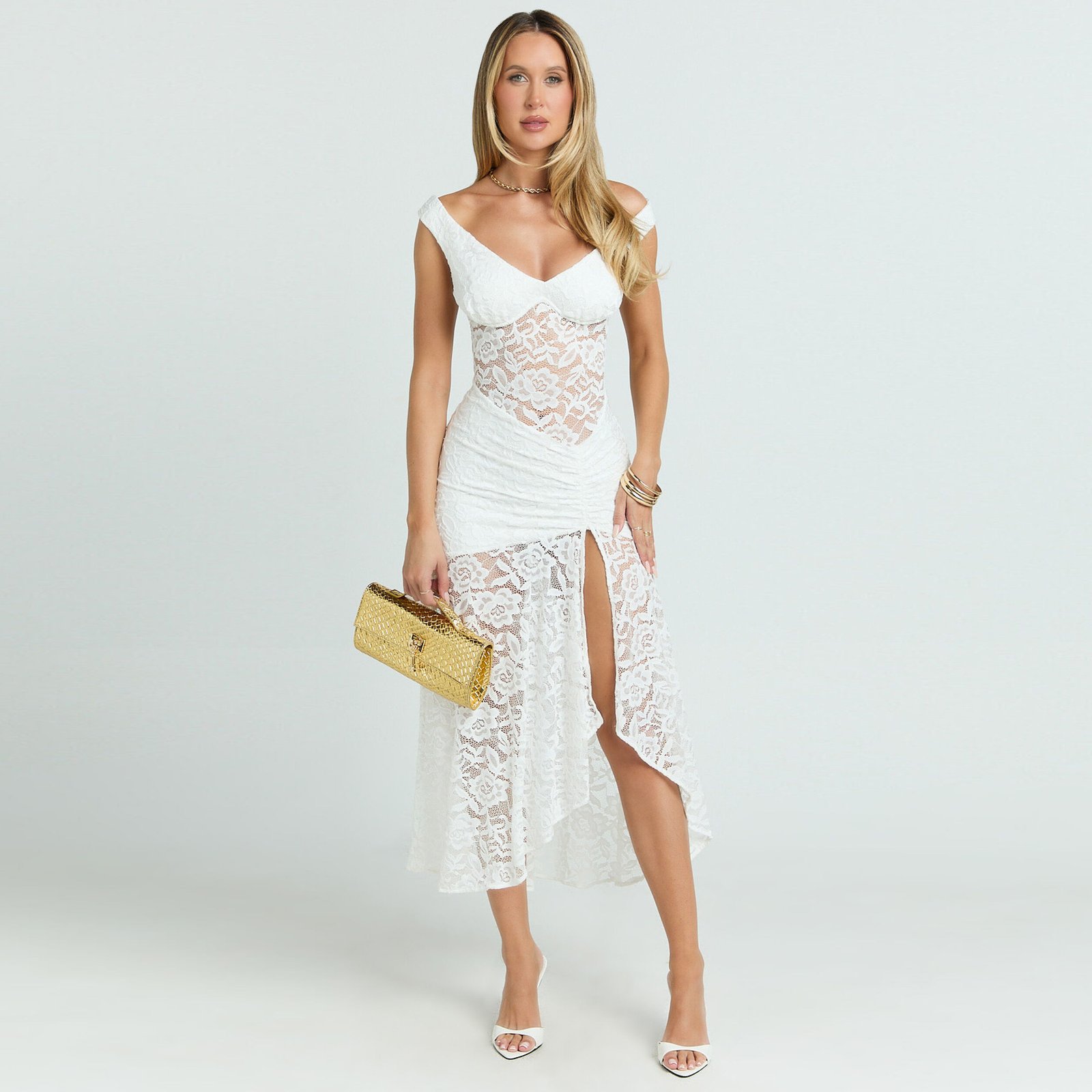
Lace: Timeless and textural. From delicate Chantilly to bold guipure, lace adds dimension and vintage charm to ivory tones.
Tulle: Dreamy and voluminous. Creates that floating, romantic aesthetic perfect for whimsical celebrations.
Crepe: Modern and minimalist. This matte fabric drapes elegantly and works exceptionally well for contemporary brides.
Step 5: Factor in Your Wedding Season
Your wedding date should absolutely influence your gown selection. Here’s why:
Spring and summer celebrations call for lighter fabrics – think organza, chiffon, or lightweight silk. Breathability matters when you’re celebrating in warmer temperatures.
Fall and winter weddings allow for luxurious heavier fabrics like velvet, brocade, or structured silk. Long sleeves and higher necklines feel seasonally appropriate while keeping you comfortable.
Research shows that brides who consider seasonal factors report 45% fewer comfort-related issues on their wedding day. Nobody wants to be overheated during their first dance, right?
Step 6: Set a Realistic Budget
Let’s talk numbers honestly. The average wedding gown costs between $1,500 and $3,000, but beautiful ivory options exist at every price point.
Budget-conscious tip: Look for sample sales, consignment boutiques, or talented local seamstresses who can create custom pieces at fraction of designer costs.
Luxury seekers: Investment pieces from established designers often hold sentimental and monetary value for generations.
Whatever your budget, allocate approximately 10-15% for alterations. Even the most expensive gowns require tailoring to achieve that perfect fit.
Step 7: Trust Your Instincts
After all the research and appointments, here’s my most important advice: trust your gut.
When you find the right gown, you’ll know. Maybe you’ll tear up unexpectedly. Perhaps you won’t want to take it off. Sometimes, it’s simply a quiet certainty that settles over you.
Don’t let anyone pressure you into a decision that doesn’t feel right – not well-meaning family members, enthusiastic consultants, or even your own desire to just be done shopping. This is your dress, your day, your story.
Fashion Fit & Comfort Insights
Beyond aesthetics, let’s discuss what actually matters when you’re wearing your gown for 8+ hours.
Fabric breathability significantly impacts comfort. Natural fibers like silk and cotton blends are approximately 40% more breathable than synthetic alternatives. If you’re planning a summer celebration, prioritizing breathable materials prevents uncomfortable perspiration during photos and dancing.
Construction quality matters enormously. Well-made gowns feature properly placed boning, strategic seaming, and adequate support that eliminates the need for constant adjustment. During fittings, move around – sit, raise your arms, practice your dance moves. Any discomfort will amplify tenfold throughout your wedding day.
I wore a heavily structured gown to a summer wedding I styled several years ago (research purposes, of course), and honestly? After hour six, I couldn’t wait to change. Learn from my experience and prioritize comfort alongside beauty.
Bustle functionality is another crucial consideration. Practice bustling your train multiple times before the big day. An impossible bustle means spending precious reception time struggling instead of celebrating.
Sustainable & Affordable Alternatives
Eco-conscious brides are driving significant change in the bridal industry, and I’m absolutely here for it.
Pre-loved Gowns: Vintage boutiques and consignment shops offer stunning ivory gowns at 50-70% below retail. These pieces often feature superior craftsmanship and unique details no longer commonly available.
Rental Options: Luxury gown rental services provide access to designer pieces for a fraction of purchase prices. Perfect for brides who love sustainability and don’t need to keep their gown forever.
Ethical Brands: Companies like Reformation, Stella McCartney Bridal, and smaller sustainable ateliers create beautiful ivory gowns using eco-friendly practices and materials.
Upcycled Heirlooms: Consider reimagining a family member’s gown. Skilled seamstresses can transform vintage dresses into contemporary silhouettes while preserving sentimental fabric.
Budget-friendly options exist without sacrificing style. BHLDN, ASOS Bridal, and Lulus offer gorgeous ivory dresses under $500 that photograph beautifully and feel special.
Outfit Pairing Suggestions
Your ivory wedding gown serves as the foundation for a complete bridal aesthetic.
Spring Celebrations:
Pair your gown with soft pink or sage green bridesmaid dresses. Fresh floral arrangements in whites, blushes, and greens complement ivory beautifully. Consider delicate floral crowns or minimal, nature-inspired jewelry.
Summer Affairs:
Lean into coastal vibes with champagne and gold accents. Flowing chiffon pairs with barefoot elegance or strappy sandals perfectly. Minimal jewelry lets sun-kissed skin shine.
Autumn Weddings:
Rich burgundy, burnt orange, and deep green create stunning contrast against ivory gowns. Add velvet elements through accessories or cover-ups. Consider amber or deep gold jewelry.
Winter Celebrations:
Faux fur wraps, crystal embellishments, and silver accents complement ivory’s warmth beautifully. Deep jewel tones for bridesmaids create dramatic visual impact.
If you’re petite, consider shorter veils that don’t overwhelm your frame. Taller brides can embrace dramatic cathedral-length veils that create stunning visual presence.
Common Style Mistakes to Avoid
Even the most fashion-savvy brides sometimes stumble. Here’s what to watch for:
Ignoring Alterations: Off-the-rack gowns rarely fit perfectly. Budget for professional tailoring – it transforms a good dress into a phenomenal one.
Overlooking Undergarments: Wrong shapewear can create bulges, lines, or discomfort. Bring your actual undergarments to every fitting.
Choosing Trends Over Timelessness: While dramatic fashion-forward choices photograph beautifully now, consider whether you’ll love your photos in twenty years.
Neglecting Movement Tests: If you can’t sit, dance, or hug comfortably, reconsider that dress regardless of how gorgeous it looks in photos.
Mismatched Accessories: Ensure your veil, jewelry, and shoes complement your gown’s undertones. Mixing cool-toned accessories with warm ivory creates visual discord.
Listening to Too Many Opinions: Too many voices create confusion. Bring one or two trusted individuals to appointments, not an entourage.
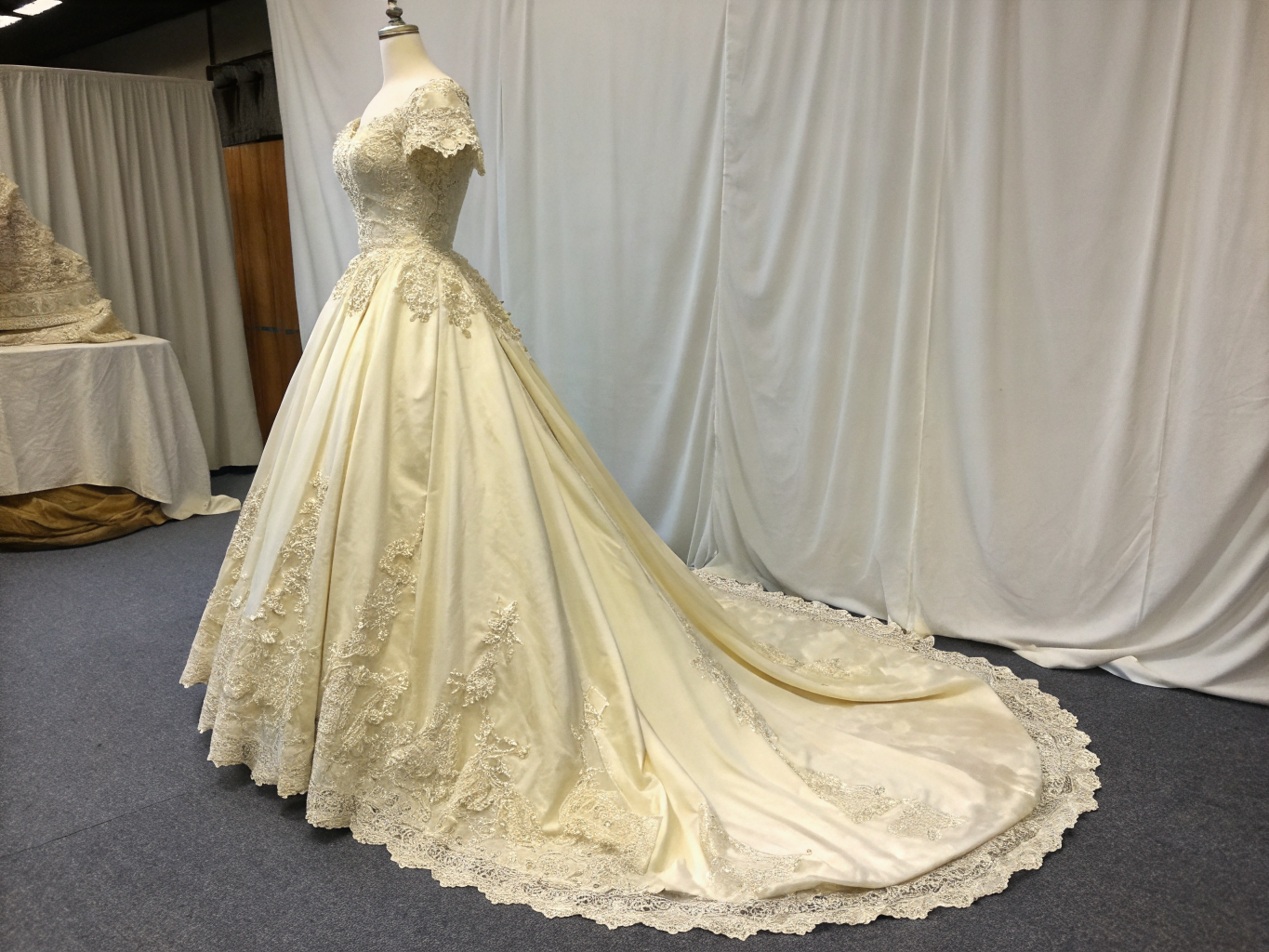
Clothing Care & Storage Tips
Protecting your investment requires proper care before, during, and after your celebration.
Pre-Wedding Storage:
Hang your gown on a padded hanger in a breathable garment bag. Avoid plastic, which traps moisture and can yellow fabric over time. Store in a cool, dry location away from direct sunlight.
Day-Of Preparation:
Steam rather than iron delicate fabrics. Many professional seamstresses offer steaming services included with alterations. Avoid perfume application while wearing your gown – alcohol-based fragrances can stain.
Post-Wedding Preservation:
Professional preservation within 30 days of your wedding prevents permanent staining. Museums-quality preservation maintains gown condition for decades, perfect if you’re hoping to pass it down.
Emergency Kit Must-Haves:
Pack fashion tape, clear nail polish (for snagged threads), stain remover pens, and a small sewing kit. Better prepared than panicked!
Conclusion
Choosing your perfect ivory color wedding gown is about so much more than finding a beautiful dress. It’s about discovering something that honors who you are, flatters your unique features, and makes you feel completely yourself on one of life’s most special days.
Remember these seven essential strategies: understand your undertones, consider venue lighting, select flattering silhouettes, explore fabric options, factor in seasons, set realistic budgets, and ultimately trust your instincts.
Your dream dress exists – it’s waiting for you to find it. Take your time, enjoy the journey, and remember that the most beautiful brides are always the ones who feel confident and comfortable.
Ready to start your search? Bookmark this guide, share it with your bridal party, and explore our seasonal wedding style lookbooks for more inspiration. I’d love to hear about your dress shopping experience – share your photos and stories in the comments below!
FAQs
What’s the difference between ivory and white wedding gowns?
Ivory has warm, cream-colored undertones while white is pure and stark. Ivory generally flatters more skin tones and photographs with more depth and warmth.
Will an ivory gown look off-white in photos?
Quality photographers adjust settings to capture ivory’s true shade. Discuss your gown color during engagement shoots to ensure proper calibration.
Can I mix ivory with pure white accessories?
Generally, matching undertones creates cohesive aesthetics. If your accessories are white, consider whether they’ll create visible contrast against ivory fabric.
How do I know which ivory shade suits me best?
Hold different ivory swatches against your face in natural lighting. The shade that brightens your complexion rather than washing it out is your match.
Is ivory appropriate for formal weddings?
Absolutely! Ivory works beautifully for every formality level. The fabric, silhouette, and embellishments determine formality rather than the color itself.
How far in advance should I order my ivory wedding gown?
Most bridal gowns require 4-6 months for production plus 2-3 months for alterations. Begin shopping 9-12 months before your wedding date.


About author







Add comment