

Introduction: How Much Is a Custom Wedding Dress?
Did you know that the average American bride spends approximately $1,900 on her wedding dress, yet custom wedding gowns can range anywhere from $2,000 to over $50,000 depending on the designer and complexity involved? If you’ve ever wondered, how much is a custom wedding dress, you’re certainly not alone—it’s one of the most searched bridal questions, and honestly, the answer isn’t as straightforward as most brides hope.
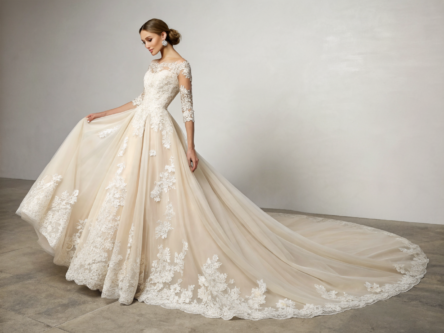
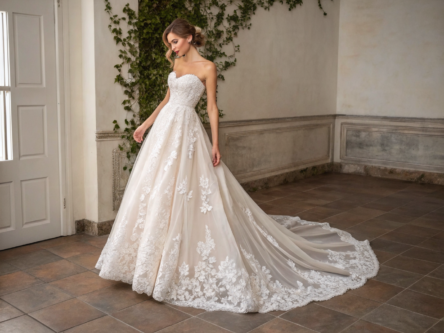
Here’s the thing: when I first started consulting brides on their wedding day looks over a decade ago, I remember Sarah, a client who walked into my studio convinced that custom meant “unaffordable.” She’d seen those breathtaking Pinterest gowns with intricate lacework and dramatic cathedral trains, assuming they were reserved for celebrity budgets. But after we broke down the actual costs together, she realized that understanding how much is a custom wedding dress involves knowing seven essential cost factors that ultimately determine your final price tag.
Whether you’re a bride dreaming of delicate hand-sewn beading or a minimalist silhouette in buttery silk, this comprehensive guide will walk you through everything you need to know about custom bridal pricing. I’ll share insider knowledge, real numbers, and personal experiences that will help you budget wisely without sacrificing your vision.
Let’s dive into the world of bespoke bridal fashion and demystify those costs together.
Your Custom Wedding Dress Wardrobe Essentials: The 7 Costs to Know
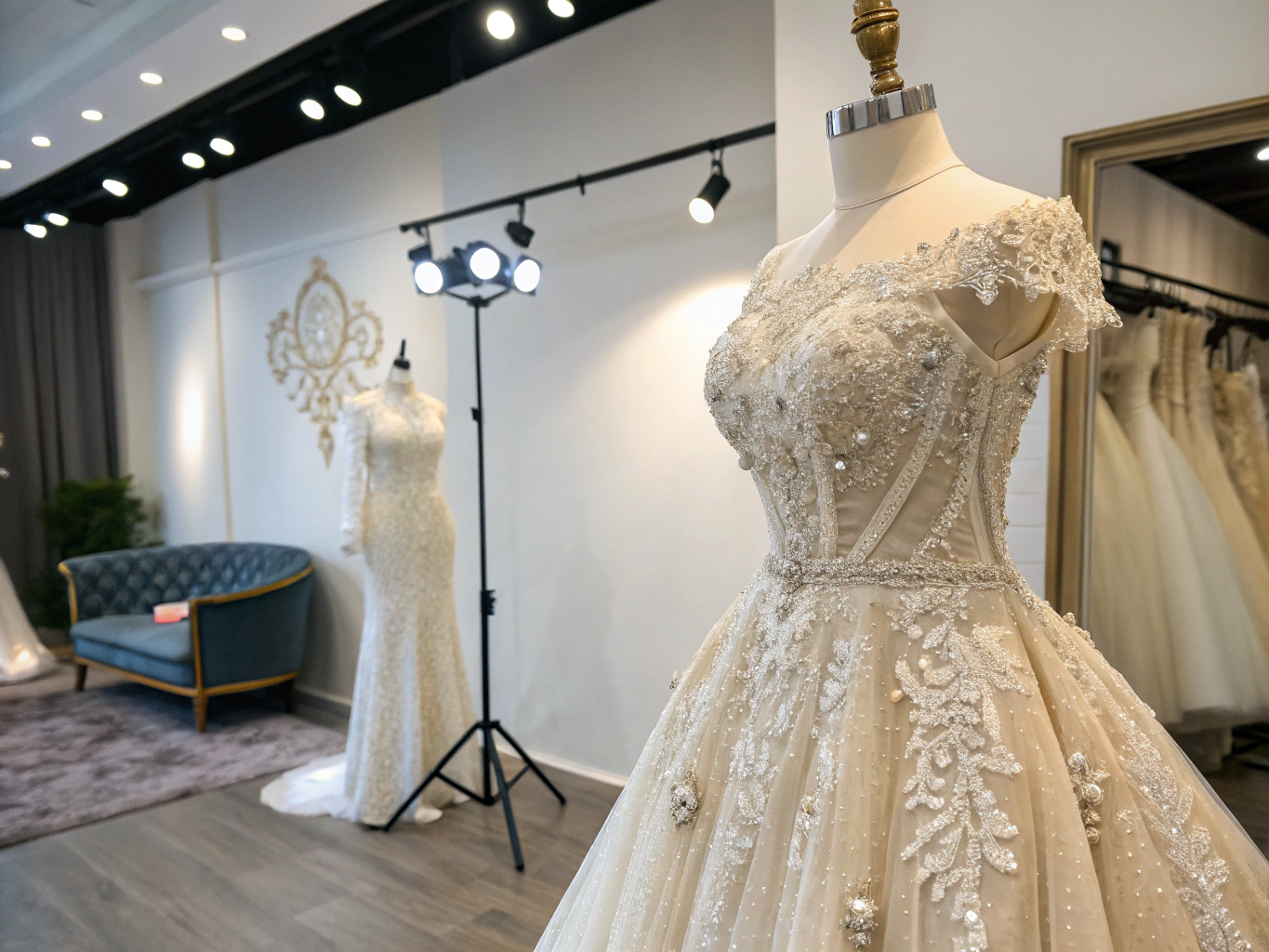
Before you step into any atelier or schedule that first consultation, understanding the breakdown of custom wedding dress costs is absolutely essential. Think of this as your bridal investment checklist—each element contributes to your gown’s final price.
1. Base Design and Consultation Fees ($200-$1,500)
Most reputable bridal designers charge an initial consultation fee, which typically ranges from $200 to $500 for independent designers and up to $1,500 for high-end couture houses. This covers the creative discussion, initial sketches, and sometimes fabric swatching.
Pro tip: Some designers apply this fee toward your final gown purchase, so always ask upfront.
2. Fabric Selection ($300-$8,000+)
The fabric you choose dramatically impacts your budget. Here’s a realistic breakdown:
- Polyester blends: $300-$600 (practical and photogenic)
- Quality silk satin: $1,000-$3,000 (luxuriously smooth, photograph beautifully)
- French lace (Chantilly or Alençon): $2,000-$8,000+ (breathtakingly delicate)
- Italian mikado or zibeline: $1,500-$4,000 (structured elegance)
Swap suggestion: Consider silk alternatives like high-quality crepe de chine for that liquid drape at roughly 40% less cost than traditional duchess satin.
3. Construction and Labor ($1,500-$15,000)
This is where skilled hands transform fabric into magic. Depending on complexity:
- Simple A-line or sheath: $1,500-$4,000
- Structured ballgown with boning: $4,000-$8,000
- Couture construction with hand-finishing: $8,000-$15,000+
4. Embellishments and Details ($500-$10,000+)
Hand-sewn beading, custom embroidery, and appliqué work add significant value:
- Machine-applied sequins: $500-$1,500
- Hand-sewn crystals or pearls: $2,000-$6,000
- Custom embroidery designs: $3,000-$10,000+
5. Fittings and Alterations ($300-$2,000)
Most custom gowns require 3-5 fittings. While some designers include this in their package, others charge separately:
- Basic fitting appointments: $300-$800
- Extensive restructuring or additions: $1,000-$2,000
6. Train Length and Veil Coordination ($200-$3,000)
Your train dramatically affects fabric requirements:
- Sweep train: Minimal additional cost
- Chapel train: $300-$800 extra
- Cathedral train: $800-$2,000+ depending on fabric
7. Designer Expertise and Brand Premium ($500-$25,000+)
Established designers with runway recognition command premium pricing. This “name value” can add anywhere from $500 with emerging designers to $25,000+ with renowned couture houses.
Styling Time: How Long Does Creating a Custom Wedding Dress Actually Take?
Understanding the timeline is just as crucial as understanding the budget. Based on my experience working with bridal clients and collaborating with designers, here’s what you should realistically expect:
Total average timeline: 6-12 months
Here’s the breakdown:
| Phase | Duration | What Happens |
|---|---|---|
| Initial consultations | 2-4 weeks | Design discussions, measurements, fabric selection |
| Pattern making | 3-6 weeks | Creating your unique pattern from scratch |
| Toile (mock-up) creation | 4-6 weeks | Testing the silhouette in muslin |
| First fitting | 1 session | Adjusting the toile, confirming design |
| Fabric cutting and construction | 8-12 weeks | The actual gown creation begins |
| Second fitting | 1 session | Checking fit in actual fabric |
| Embellishment work | 4-8 weeks | Hand-beading, embroidery, detail work |
| Final fitting(s) | 1-2 sessions | Perfecting every detail |
| Finishing touches | 2-3 weeks | Pressing, steaming, final preparations |
Real-life comparison: When I helped my friend Emma plan her wedding, she initially considered ordering an off-the-rack gown that would take approximately 4-6 weeks with alterations. Her custom gown took eight months, but the difference in fit was remarkable—every seam aligned with her curves perfectly, eliminating that common “fighting with my dress” complaint I hear from so many brides.
According to a 2023 survey by The Knot, brides who chose custom wedding dresses reported 34% higher satisfaction with their overall bridal look compared to those who bought ready-to-wear options.
Step-by-Step Styling Guide: Creating Your Dream Custom Gown
Step 1: Define Your Vision Before the Consultation
Before meeting with any designer, create a mood board. I always tell my clients: collect at least 20-30 images, then eliminate half. What remains reveals your true style.
Stylist trick: Don’t just save full gown photos—save details. That sleeve you love? Pin it. That neckline? Save it. Designers work better with specific elements than vague “I want something romantic.”
Step 2: Research and Select Your Designer
Not all custom designers are created equal. Consider:
- Portfolio alignment: Does their aesthetic match yours?
- Price range transparency: Reputable designers provide ballpark figures upfront
- Reviews and testimonials: Look for brides with similar body types and style preferences
- Communication style: You’ll spend months together—chemistry matters
Step 3: Schedule and Prepare for Your Consultation
Bring:
- Your mood board
- Fabric swatches you love (if any)
- Your budget range (be honest!)
- Undergarments similar to what you’ll wear on your wedding day
Step 4: Navigate the Design Process
During this phase, speak up. I’ve seen too many brides stay quiet about concerns, only to feel disappointed later. Remember: this is your dress, and you’re the client.
Stylist trick: Ask to see the fabric in natural daylight and artificial light—colors shift dramatically, and you want to love your gown in your actual venue lighting.
Step 5: Embrace the Fittings
Each fitting is an opportunity. Wear your wedding day shoes (or heels of similar height), bring your trusted person for honest opinions, and don’t be afraid to request adjustments.
Step 6: Final Preparations
Before your wedding week:
- Schedule professional pressing
- Arrange for a dress handler or bridesmaid to learn your bustle
- Practice sitting, walking, and dancing in your gown
Fashion Fit & Comfort Insights: What Makes Custom Worth the Investment
Let’s talk about what truly sets custom wedding dresses apart: the fit.
Here’s something most brides don’t realize until they experience it—standard wedding dress sizes are based on measurements that may not align with your unique body. According to bridal industry research, only about 8% of women fit perfectly into standard sizing without alterations.
Fabric comfort matters enormously:
- Natural silk breathability: Silk fibers allow approximately 30-40% better airflow compared to polyester, keeping you cooler during summer ceremonies
- Weight distribution: Custom construction distributes gown weight evenly, reducing shoulder and back strain during long reception hours
- Movement freedom: Strategic seam placement in custom gowns allows natural movement without restriction
My personal experience: I once wore a borrowed designer sample for a styled shoot—beautiful gown, wrong fit. Within an hour, I was tugging at the bodice, adjusting the shoulders, and feeling genuinely uncomfortable. Contrast this with brides I’ve styled in their custom creations who dance until midnight without a single adjustment. The difference is tangible.
Sustainable & Affordable Alternatives: Custom Doesn’t Have to Mean Expensive
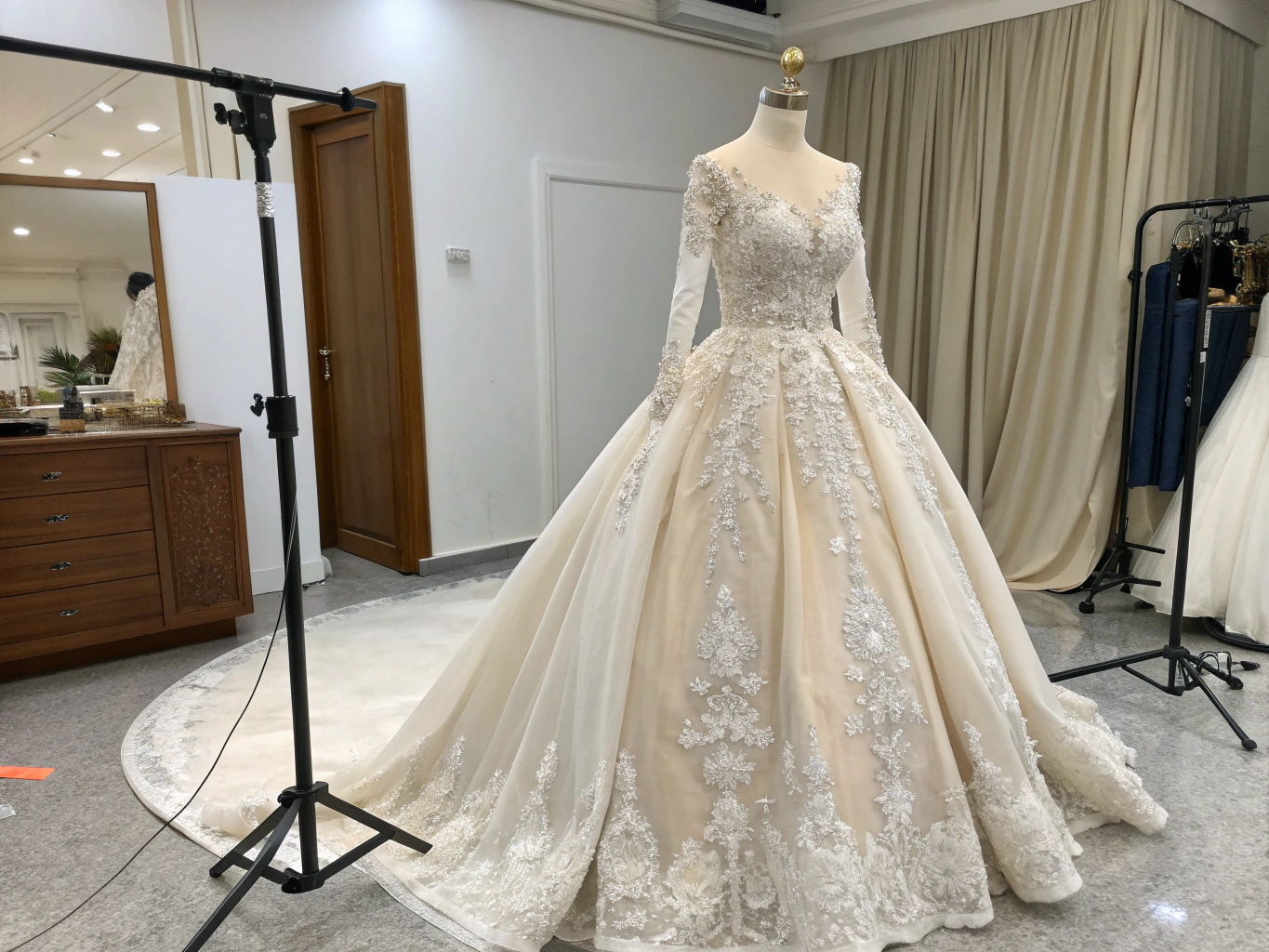
If the numbers above feel overwhelming, breathe. There are genuinely beautiful alternatives that honor your desire for something special without breaking your budget.
Budget-Friendly Custom Options ($1,500-$3,500)
- Emerging designers: New talents often offer stunning custom work at lower prices to build their portfolio
- Local seamstresses: Skilled local artisans can create custom gowns significantly below boutique pricing
- Semi-custom designs: Some designers offer base silhouettes with customizable elements (necklines, sleeves, train length)
Sustainable Custom Choices
- Vintage fabric sourcing: Using antique lace or repurposed materials reduces environmental impact
- Heirloom transformations: Redesigning a mother’s or grandmother’s gown creates something meaningful
- Eco-conscious designers: Brands like Celia Grace and Leanne Marshall specialize in sustainable bridal
Creative Budget Ideas
- Simplify the silhouette, invest in fabric: A minimalist design in gorgeous silk often photographs more beautifully than an elaborate polyester gown
- Skip excessive beading: Strategic embellishment placement costs less and looks equally stunning
- Consider a shorter train: Cathedral trains require significantly more fabric—a chapel or sweep train offers elegance at lower cost
Outfit Pairing Suggestions: Completing Your Bridal Look
Your custom wedding dress deserves thoughtfully chosen companions.
For Spring/Summer Weddings
- Accessories: Delicate freshwater pearl earrings, minimal bracelet
- Shoes: Strappy sandals in nude or blush; consider block heels for outdoor ceremonies
- Veil: Soft tulle cathedral length or romantic juliet cap
For Fall/Winter Weddings
- Accessories: Crystal drop earrings, vintage-inspired hairpiece
- Shoes: Elegant pointed-toe pumps or embellished ankle boots
- Cover-ups: Faux fur stole, cashmere wrap, or custom-matched jacket
Petite Bride Tips
- Ankle-length or tea-length shoes create leg-lengthening effects
- Avoid overwhelming trains that can swallow smaller frames
- V-necklines elongate the torso beautifully
Curvy Bride Tips
- Structured bodices provide support without sacrificing elegance
- A-line skirts flatter most body types
- Off-shoulder necklines balance proportions gorgeously
Common Style Mistakes to Avoid When Going Custom
Even with custom creation, missteps happen. Here are the pitfalls I see most frequently:
Mistake #1: Choosing Trends Over Timelessness
That ultra-dramatic puffy sleeve might be everywhere on Instagram now, but will you love it in your anniversary photos for decades? Consider: trendy details in removable elements (detachable sleeves, overskirts) let you have both.
Mistake #2: Ignoring Venue Logistics
Your cathedral train is stunning—until you’re dragging it through sand or garden grass. Fix: Discuss your venue with your designer from the first consultation.
Mistake #3: Underestimating Undergarments
Custom gowns are built around your body, which includes your undergarments. Changing your bra style after fittings can affect fit entirely. Fix: Purchase your bridal undergarments before your first fitting.
Mistake #4: Skipping the Toile
Some brides want to skip the muslin mock-up to save time or money. Fix: Never skip it. This step catches fitting issues before they’re cut into expensive fabric.
Mistake #5: Not Building in Buffer Time
Rush fees are real and expensive—typically 30-50% additional costs. Fix: Start your custom process at least 10-12 months before your wedding date.
Clothing Care & Storage Tips: Protecting Your Investment
Your custom wedding dress represents significant investment—protect it accordingly.
Before the Wedding
- Store your gown in a breathable garment bag (cotton or muslin, never plastic)
- Hang using padded hangers; never fold structured bodices
- Keep away from direct sunlight to prevent fabric yellowing
Day-Of Tips
- Arrange professional steaming the day before
- Designate someone for “dress duty”—handling your train, managing your bustle
- Pack an emergency kit: fashion tape, small scissors, stain remover pen
Post-Wedding Preservation
- Have your gown professionally cleaned within two weeks of your wedding
- Choose archival preservation (acid-free box and tissue)
- Store in climate-controlled environment—not attics or basements
Pro tip I swear by: Before preservation, photograph every detail of your gown in natural light. Preserved gowns shouldn’t be frequently removed, so these images become your lasting visual record.
Conclusion: Your Custom Wedding Dress Journey Awaits
Understanding how much is a custom wedding dress ultimately comes down to knowing these seven essential cost factors: consultation fees, fabric selection, construction labor, embellishments, fittings, train details, and designer expertise. When you break down the investment this way, custom bridal becomes less mysterious and more manageable.
Whether your budget leans toward emerging designer creativity or full couture luxury, the beauty of custom lies in the experience: a gown created specifically for your body, your style, and your moment. No fighting with standard sizing, no settling for “close enough.”
My final advice? Start researching designers now, even if your wedding feels far away. Build relationships, ask questions, and trust the process. The brides I’ve worked with who approached custom with curiosity rather than anxiety consistently had the most magical experiences.
Ready to begin your custom bridal journey? Share your dream dress inspiration in the comments below, explore our seasonal bridal guides for more styling ideas, or save this post for when you’re ready to start consultations. Your perfect gown is waiting to be created.
FAQs About Custom Wedding Dress Costs
How much should I budget for a custom wedding dress?
A: Realistically, plan for $3,000-$8,000 for quality custom work from established designers. Budget-conscious brides can find emerging designers or skilled seamstresses in the $1,500-$3,000 range, while luxury couture typically starts at $10,000 and goes significantly higher.
Is a custom wedding dress worth the extra cost?
A: If fit, uniqueness, and the experience matter to you, absolutely. Brides consistently report higher satisfaction with custom gowns, particularly regarding comfort and personal expression. However, if budget constraints are significant, beautiful off-the-rack options exist too.
Q: How far in advance should I order a custom wedding dress?
A: Ideally, begin consultations 10-12 months before your wedding. Complex designs or couture gowns may require even longer. At minimum, allow 6 months, though this may limit design complexity.
Q: Can I get a custom wedding dress on a tight budget?
A: Yes! Consider local seamstresses, semi-custom options, or emerging designers. Simplifying your design (minimalist silhouette, fewer embellishments) also reduces costs significantly without sacrificing beauty.
Q: What’s the difference between custom and couture wedding dresses?
A: “Custom” means made specifically for you. “Couture” technically refers to hand-construction methods meeting specific French fashion standards. True couture is entirely hand-sewn and significantly more expensive. Many designers use “couture” loosely, so always ask about specific techniques.
Q: Do I need to tip my custom wedding dress designer?
A: Tipping isn’t expected for designers/business owners but is appreciated for seamstresses and assistants who worked on your gown. A thoughtful thank-you note or small gift is always welcome regardless of role.
Found this guide helpful? Pin it for later, share with your engaged friends, or explore our complete bridal styling series for more wedding day inspiration.


About author






Add comment