
How to Prepare for Wedding Dress Shopping: 7 Essential Tips
Introduction
Did you know that 67% of brides visit an average of three to five bridal boutiques before finding “the one”? According to a recent WeddingWire survey, the average bride tries on approximately 25 dresses before making her final decision. That’s a lot of tulle, satin, and potentially overwhelming moments standing in front of mirrors.
If you’re wondering how to prepare for wedding dress shopping, you’re already one step ahead of most brides-to-be. Trust me—as someone who has accompanied countless friends through this journey and worked extensively in bridal styling, I can tell you that preparation is absolutely everything.
I still remember my best friend Sarah calling me in tears after her first bridal appointment. She’d gone in without any research, wearing the wrong undergarments, and feeling completely overwhelmed by the endless options. “I thought it would be like the movies,” she said. “But I just felt lost.”
Here’s the truth: wedding dress shopping should feel magical, exciting, and deeply personal. But without proper preparation, it can quickly become stressful, confusing, and even disappointing. The good news? With the right approach, you can transform this experience into one of the most memorable moments of your engagement.
Let’s dive into everything you need to know to make your bridal shopping experience absolutely unforgettable—for all the right reasons.
Wardrobe Essentials for Your Bridal Appointment
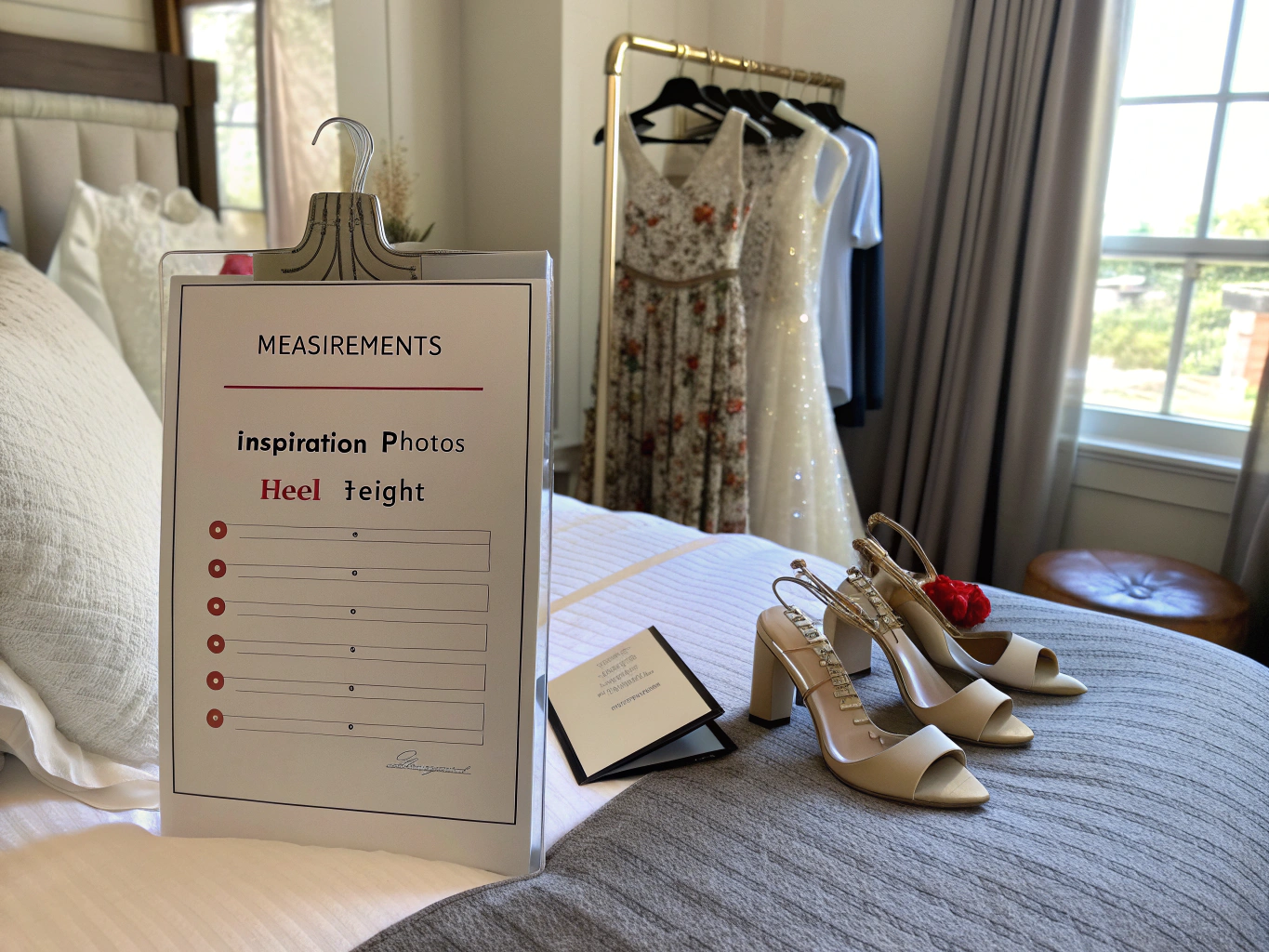
Before you even step foot in a bridal salon, what you wear and bring can significantly impact your experience. Think of this as your bridal shopping survival kit—the essential items that will make trying on gowns seamless and stress-free.
What to Wear
Nude or white seamless undergarments are non-negotiable. Opt for a strapless bra (or go braless if you’re comfortable—most gowns have built-in support) and seamless nude underwear. The goal is minimal visible lines and maximum flexibility for different silhouettes.
Substitute suggestion: If you don’t own a strapless bra, consider sticky bras or nipple covers. Many brides find these even more versatile, especially when trying on backless or plunging neckline designs.
Easy-to-remove clothing saves precious time. I recommend a simple button-down blouse and stretchy pants or a flowy dress. Avoid complicated layers, tight jeans, or anything that requires significant effort to remove.
Bring heel samples in the height you plan to wear on your wedding day. Even if you haven’t purchased your wedding shoes yet, bring heels in a similar height. This helps consultants pin hems accurately and gives you a realistic preview of your proportions.
Emotional Comfort Items
Here’s something most guides don’t mention: bring something that grounds you. Whether it’s a piece of jewelry from your grandmother, a photo of your venue, or even your favorite lip gloss—having familiar items nearby can help when emotions run high.
The textures you’ll encounter—delicate lace against your skin, the weight of beaded embellishments, the cool slip of satin—can be overwhelming in the best way. Being emotionally prepared helps you stay present and truly enjoy these sensory moments.
Styling Time: How Long Does Bridal Shopping Really Take?
Understanding the timeline helps you mentally prepare for what’s ahead. Unlike grabbing a cocktail dress where you might spend 30 minutes in a fitting room, bridal shopping operates on a completely different schedule.
The Average Appointment
Most bridal appointments last 60 to 90 minutes. During this time, you’ll typically try on 4 to 8 gowns, depending on the salon’s pace and your decisiveness.
Here’s a realistic breakdown:
- First 15 minutes: Consultation with your stylist about your wedding details, style preferences, and budget
- Next 45-60 minutes: Trying on gowns, with time for clipping, accessorizing, and viewing from all angles
- Final 15-20 minutes: Discussing favorites, pricing, and potential customizations
Pro tip from experience: I’ve found that brides who book morning appointments tend to have clearer decision-making abilities. Research from the Journal of Consumer Psychology suggests that decision fatigue increases throughout the day, making early appointments ideal for such significant choices.
Multiple Appointment Planning
Plan to visit 2-3 salons maximum in one day, with at least 2-3 hours between appointments. I made the mistake once of scheduling three back-to-back appointments, and by the third salon, every dress looked the same. Your eyes and emotions need recovery time.
Compared to everyday outfit planning—where my capsule wardrobe saves me about 15 minutes each morning—bridal shopping requires dedicated, unhurried blocks of time. This isn’t the moment to squeeze something in between other errands.
Step-by-Step Styling Guide: Your Complete Preparation Checklist
Step 1: Research Silhouettes Before You Shop
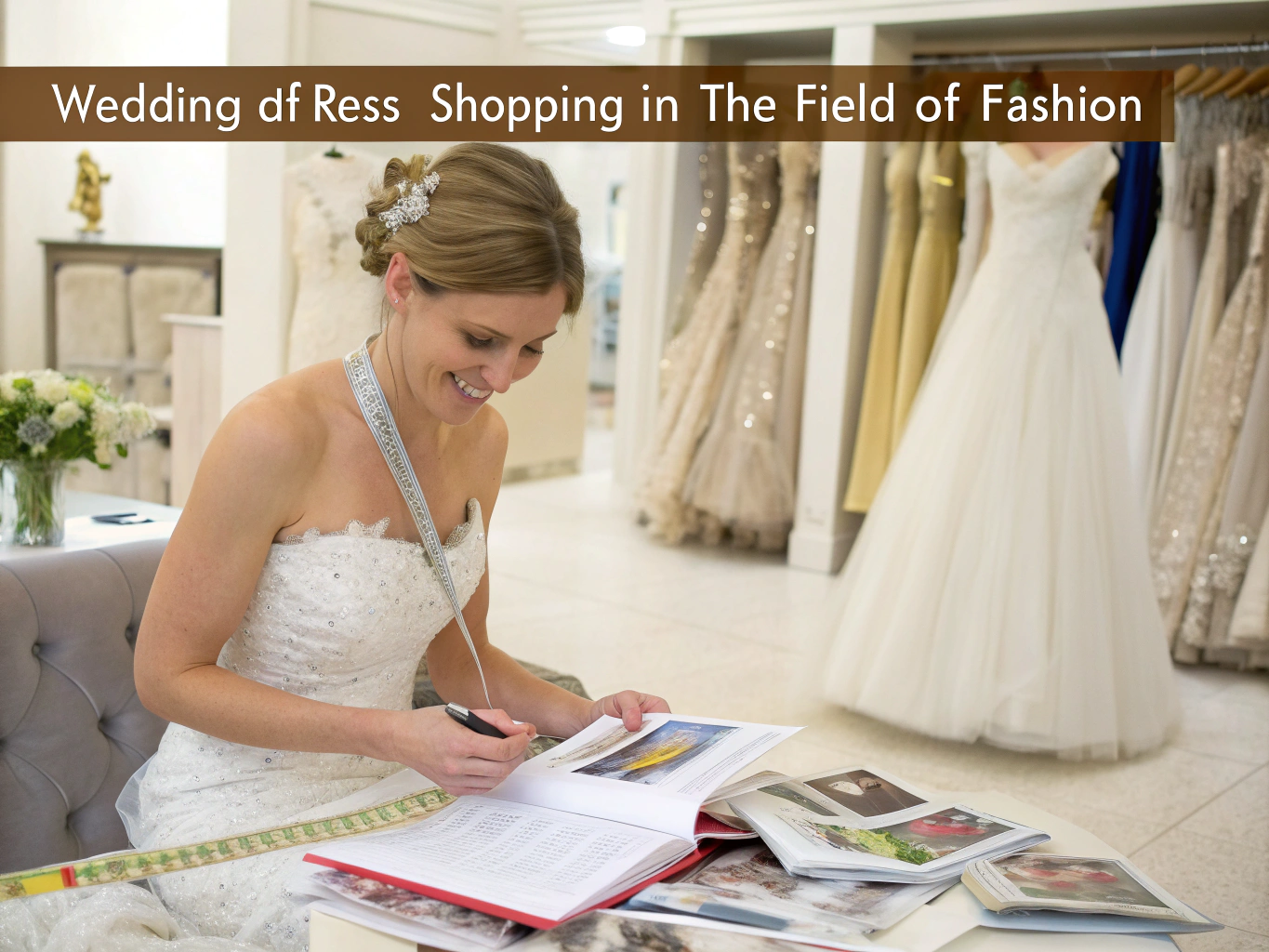
Before your first appointment, spend time understanding different wedding dress silhouettes. A-line, ballgown, mermaid, sheath, fit-and-flare—each creates dramatically different effects on various body types.
Stylist trick: Create a Pinterest board, but limit yourself to 20-30 pins. Analyze what you’ve saved—are you drawn to specific necklines? Certain sleeve styles? This self-awareness helps consultants curate better selections for you.
I always tell brides: notice patterns in your everyday wardrobe too. If you never wear fitted clothing in daily life, a skin-tight mermaid gown might not feel authentically you, no matter how stunning it looks.
Step 2: Set a Realistic Budget (And Stick to It)
According to The Knot’s 2023 Real Weddings Study, the average wedding dress costs $1,900, but prices range wildly from $500 to $10,000+. Before shopping, determine your absolute maximum budget, including alterations (typically $200-$800 additional).
Important: Tell your consultant a budget slightly lower than your actual maximum. This leaves room for unexpected additions like a veil, belt, or minor customizations without the guilt of overspending.
Step 3: Book Appointments Strategically
Most bridal consultants recommend booking appointments 9-12 months before your wedding date. This timeline allows for:
- 4-6 months for dress production (many gowns are made-to-order)
- 2-3 months for alterations
- Buffer time for any delays or changes
Stylist trick: Book weekday appointments when possible. Salons are quieter, consultants are less rushed, and you’ll often receive more personalized attention.
Step 4: Curate Your Entourage Carefully
Here’s where many brides go wrong: they bring everyone. According to a David’s Bridal survey, 70% of brides who felt stressed during shopping brought groups of 4+ people.
My recommendation? Limit your group to 2-3 trusted individuals whose opinions you genuinely value. Choose people who will be honest but supportive—not those who might project their own preferences onto your choice.
Step 5: Come with an Open Mind
This might be the most crucial step in understanding how to prepare for wedding dress shopping successfully. While research is valuable, rigidity isn’t.
The dress you fall in love with might surprise you entirely. Many brides—myself included when helping friends—have witnessed the “I never would have picked this off the rack” moment. Trust your consultant’s expertise; they see brides daily and often identify styles you wouldn’t have considered.
Fashion Fit and Comfort Insights
Understanding Bridal Fabrics
Not all wedding dress fabrics are created equal, and understanding your options helps you make informed decisions about comfort.
Satin: Luxurious with beautiful drape, but can be warm. Studies show polyester-based satins retain 30% more body heat than natural silk alternatives.
Tulle: Light and airy—perfect for warmer climates. Soft tulle feels significantly more comfortable against skin than stiff tulle, though it may wrinkle more easily.
Lace: Romantic and textured. French lace tends to be softer than Chantilly or Alençon varieties. I’ve worn lace gowns at summer events and found cotton-based laces breathe surprisingly well.
Crepe: Modern and comfortable, with natural stretch. This fabric moves beautifully and rarely wrinkles—ideal for destination weddings or all-day wear.
Comfort Considerations
Pro insight: If your wedding involves significant dancing, outdoor terrain, or a lengthy ceremony, prioritize lighter fabrics and structured bodices that won’t require constant adjustment.
Consider your wedding timeline. A ballgown with cathedral train might feel magical for photos but exhausting during a six-hour reception. Detachable elements—removable sleeves, convertible trains—offer versatility without sacrificing drama.
Sustainable and Affordable Alternatives
Eco-Conscious Bridal Options
Sustainability in bridal wear has grown significantly. According to a 2023 report from Fashion Revolution, 42% of brides now consider environmental impact when selecting their wedding attire.
Sustainable alternatives include:
- Pre-loved gowns: Platforms like Still White, Nearly Newlywed, and Poshmark offer gently worn designer dresses at 40-70% discounts
- Rental services: Companies like Rent the Runway and specialized bridal rental boutiques offer luxury gowns for fraction of retail prices
- Ethical brands: Stella McCartney Bridal, Reformation Wedding, and Christy Dawn create beautiful sustainable options
- Vintage shopping: Estate sales and vintage boutiques often hide incredible finds
Budget-Friendly Swaps
If budget is a primary concern:
- Consider sample sales (discounts of 50-75% are common)
- Explore bridesmaid dresses in white—BHLDN and Lulus offer stunning options under $300
- Separate pieces (elegant top + tulle skirt) can create bridal looks affordably
- Off-the-rack options eliminate waiting time and often cost less
I recently helped a bride find a stunning $180 midi dress from Reformation that looked absolutely bridal with the right accessories. Sometimes, “wedding dress” is about how you feel, not a label.
Outfit Pairing Suggestions
Accessorizing Your Gown
Once you’ve found your dress, thoughtful pairing elevates the entire look.
For Spring Weddings:
Soft, romantic accessories complement the season beautifully. Consider delicate floral hairpieces, pearl earrings, and lightweight veils. If temperatures fluctuate, a lace topper or sheer cover-up adds warmth without overwhelming your gown.
For Summer Celebrations:
Minimize heavy accessories to stay cool. Simple drop earrings, minimal hair jewelry, and a cathedral veil (which actually provides sun protection during outdoor ceremonies) work beautifully.
For Autumn Affairs:
Richer textures pair wonderfully with fall palettes. Consider velvet ribbon belts, statement vintage brooches, and hair accessories featuring dried flowers or warm metallic tones.
For Winter Wonderlands:
Luxurious wraps—faux fur stoles, cashmere shawls, or elegant capes—add practical warmth with stunning visual impact. Sparkling jewelry complements winter’s festive atmosphere.
Body Type Considerations
For petite brides: Avoid overwhelming volume. Fit-and-flare silhouettes elongate proportions, and vertical details (illusion panels, buttons down the back) create height.
For tall brides: You can carry dramatic trains and elaborate veils beautifully. Horizontal details and ballgown silhouettes balance height without shortening your frame.
For curvy brides: Structure is your friend. Well-constructed bodices provide support, while A-line skirts skim hips gracefully. Don’t shy away from fitted silhouettes if that’s your style—proper fit flatters every body.
Common Style Mistakes to Avoid
Mistake #1: Shopping Too Early or Too Late
Starting more than 18 months out risks style preferences changing significantly. Shopping with fewer than 6 months remaining limits options and may require rush fees.
The fix: The 9-12 month window remains optimal for most brides.
Mistake #2: Ignoring Your Wedding Venue
A structured ballgown at a beach ceremony? A casual slip dress at a cathedral wedding? Venue context matters enormously for both aesthetics and comfort.
The fix: Bring venue photos to appointments. Consultants can guide appropriate formality levels.
Mistake #3: Excessive Online Fixation
While Pinterest inspiration helps, becoming fixated on one specific dress can lead to disappointment. Bridal gowns photograph differently than they appear in person, and fit varies significantly across brands.
The fix: Use images as starting points for conversations, not as mandatory requirements.
Mistake #4: Forgetting About Movement
That perfect pose in the mirror might not translate to walking, sitting, dancing, or hugging guests.
The fix: Move in every dress you seriously consider. Sit down. Raise your arms. Twist. Comfort matters.
Mistake #5: Comparing to Others
Your sister’s choice, your friend’s dress, that celebrity wedding—none of these should dictate your decision.
The fix: Stay focused on what makes you feel beautiful. This day centers on you and your partner, no one else’s expectations.
Clothing Care and Storage Tips
Post-Purchase Care
Once you’ve said yes to your dress, proper storage preserves its beauty until your wedding day.
Immediate care:
- Keep your gown in its garment bag, away from direct sunlight
- Store hanging in a climate-controlled space (avoid attics, basements, or humid areas)
- Leave the dress in its original packaging until your first fitting
Pre-wedding preparation:
- Schedule a professional steam or light press 1-2 days before your wedding
- Never iron a wedding dress yourself—heat damage can be irreversible
- If traveling with your gown, pack it in a breathable garment bag and hang immediately upon arrival
Post-Wedding Preservation
For heirloom preservation:
- Have your dress professionally cleaned within two weeks of your wedding
- Consider acid-free preservation boxing for long-term storage
- Store in a cool, dark, climate-controlled environment
Pro tip I swear by: Take photos of any stains immediately and share with your cleaner. Fresh information helps them treat spots most effectively.
Conclusion
Learning how to prepare for wedding dress shopping transforms what could be an overwhelming experience into one of the most cherished memories of your engagement journey. From understanding your silhouette preferences to curating the perfect shopping entourage, each preparation step brings you closer to that magical moment when you find the dress.
Remember: the perfect wedding dress isn’t about trends, price tags, or anyone else’s opinions. It’s about how you feel when you see yourself in the mirror—confident, beautiful, and unmistakably yourself.
Take these tips, trust the process, and most importantly, enjoy every moment of this special chapter. Your dress is out there waiting for you.
Ready to start your bridal shopping journey? Save this guide for reference, share it with your newly engaged friends, or explore our [seasonal wedding style guides] for more inspiration. We’d love to see your dress shopping moments—tag us in your favorites!
Frequently Asked Questions
How far in advance should I start wedding dress shopping?
Begin shopping 9-12 months before your wedding date. This timeline provides comfortable buffer for ordering, production (typically 4-6 months), and alterations (2-3 months). For rush situations, sample gowns or off-the-rack options can work with shorter timelines.
Should I bring shapewear to my bridal appointment?
Most consultants recommend against shapewear for initial appointments. You want to see how dresses fit your natural body first. Once you’ve selected your gown, your seamstress can recommend appropriate undergarments for your specific dress.
How many wedding dresses should I try on?
Quality matters more than quantity. Aim to try 5-8 well-selected gowns per appointment rather than overwhelming yourself with dozens of options. Your consultant’s curation, based on your input, typically yields better results than random browsing.
Can I buy my wedding dress online?
While possible, online purchasing carries risks regarding fit, fabric quality, and color accuracy. If choosing this route, thoroughly research return policies, order early for potential exchanges, and budget for likely alterations. Seeing dresses in person first, even if purchasing online later, is advisable.
What if I don’t cry when I find my dress?
Here’s reassurance: not everyone cries, and that’s completely normal. Movies create unrealistic expectations. Confidence, comfort, and a quiet certainty often indicate “the one” more reliably than dramatic tears. Trust your instincts over expected reactions.



Add comment