

Introduction: How to Fly with a Wedding Dress
Did you know that over 21% of couples now choose destination weddings, according to The Knot’s 2023 Wedding Study? That means thousands of brides face the same nerve-wracking question every year: how exactly do I get my precious wedding dress safely onto an airplane?
If you’ve ever clutched your heart imagining your delicate lace gown crushed beneath someone’s oversized carry-on, you’re not alone. Learning how to fly with a wedding dress: 7 stress-free tips isn’t just practical advice—it’s essential knowledge for any bride traveling to her dream destination.
I remember my own sister’s wedding in Santorini. She called me three weeks before the big day, voice trembling, asking if she should just buy a second dress “just in case.” That moment sparked my deep dive into bridal travel logistics, and trust me, I’ve since helped dozens of brides transport their gowns across continents without a single wrinkle-induced panic attack.
Whether you’re jetting off to a Tuscan vineyard, a Caribbean beach, or simply flying home to marry in your grandmother’s backyard, this comprehensive guide will transform your travel anxiety into confident excitement. Let’s ensure your dress arrives as stunning as the day you said “yes” to it.
Wardrobe Essentials List

Before we dive into the step-by-step process, let’s talk about the essential items you’ll need to successfully transport your bridal gown. Think of this as your wedding dress travel toolkit—each piece plays a crucial role in protecting your investment.
The Must-Have Packing Essentials
Garment Bag (Breathable Fabric)
A high-quality, breathable garment bag is non-negotiable. Look for bags made from cotton or canvas rather than plastic, which can trap moisture and cause yellowing. The soft, protective embrace of natural fibers keeps your gown safe while allowing air circulation.
Swap suggestion: If you don’t have a dedicated bridal garment bag, swap it for a clean white cotton sheet folded around the dress—it’s surprisingly effective and costs nothing.
Acid-Free Tissue Paper
That crisp, delicate tissue paper isn’t just for gift wrapping. Placing sheets between fabric layers prevents creasing and protects embellishments. The smooth, weightless texture creates gentle barriers that preserve intricate beading and lacework.
Portable Steamer
A compact travel steamer is your secret weapon against wrinkles. Choose one under 2 pounds that heats quickly—your sanity on the morning of your wedding will thank you.
Dress Hanger (Padded or Wide)
Standard wire hangers are the enemy of structured bodices. A padded satin hanger or wide wooden hanger distributes weight evenly, preventing shoulder dimples in delicate fabrics.
Small Emergency Kit
Include fashion tape, safety pins, a mini sewing kit, and stain remover wipes. These tiny heroes have saved more wedding days than I can count.
Styling Time
Let’s be realistic about time management when flying with your wedding dress. Proper preparation takes approximately 2-3 hours before your flight, but this investment saves exponentially more stress upon arrival.
Here’s how the timeline typically breaks down:
- Careful folding and tissue layering: 45-60 minutes
- Bag arrangement and protective wrapping: 30 minutes
- Final inspection and kit preparation: 20 minutes
- Day-of-arrival steaming: 30-45 minutes
Compare this to the alternative scenario: a bride I worked with last summer skipped proper preparation, arrived in Mexico with her gown balled in a suitcase, and spent four hours the day before her wedding frantically searching for a local dry cleaner who could perform emergency pressing. The cost? $200 extra and immeasurable anxiety.
According to a survey by WeddingWire, brides who properly prepared their gowns for travel reported 67% less pre-wedding stress than those who didn’t plan ahead. That statistic alone makes the preparation time worthwhile.
Step-by-Step Styling Guide
Step 1: Call Your Airline 48 Hours Before Flying
Here’s a stylist trick that most brides overlook: always contact your airline directly before your flight. Different carriers have varying policies about wedding dress transport, and knowing these rules in advance prevents gate-side surprises.
Many airlines, including Delta, United, and American, will allow you to hang your garment bag in the first-class closet—even if you’re flying economy—if you ask politely and space permits. I’ve personally witnessed gate agents make exceptions for brides who explained their situation sweetly and arrived early.
Pro tip: Mention that it’s your wedding dress specifically. Airline staff often have soft spots for bridal attire, and a little charm goes a long way.
Step 2: Master the Proper Folding Technique
Contrary to popular belief, wedding dresses can be folded without permanent damage—if done correctly. The key lies in working with the dress’s natural structure rather than against it.
Start by laying your gown face-down on a clean, white surface. Fold the train upward first, then gently fold the skirt in thirds lengthwise. Place acid-free tissue paper between each fold, paying extra attention to any beaded or embroidered sections. The tissue creates a protective cushion that prevents fabric-on-fabric friction.
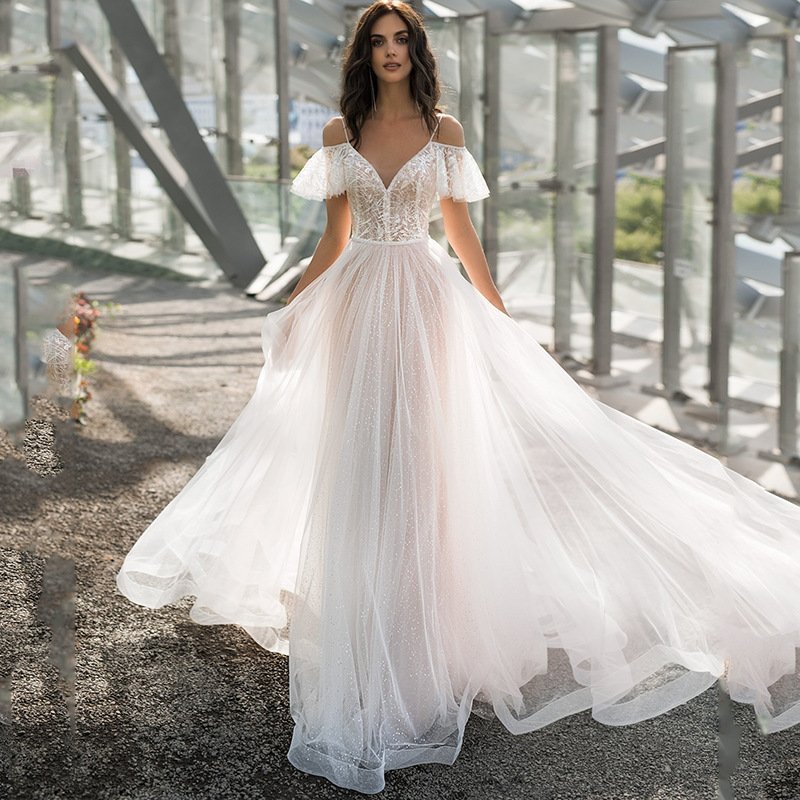
For ballgowns with substantial tulle, stuff the bodice lightly with tissue to maintain shape. Think of it like creating a soft, supportive nest for your dress to rest in during travel.
Step 3: Choose Your Transport Method Wisely
You essentially have three options when flying with your wedding dress:
Carry-On Garment Bag: This is my top recommendation. Keep your dress with you at all times, eliminating the risk of lost luggage. Most overhead bins accommodate folded garment bags, though some brides purchase an extra seat for elaborate ballgowns (yes, it’s a thing—and worth every penny for peace of mind).
Gate Check: If overhead space is limited, gate-checking ensures your dress goes into the cargo hold last and comes out first. Request “fragile” handling and watch the bag go down yourself.
Checked Luggage: My least favorite option, but sometimes necessary. If checking is unavoidable, use a hard-shell suitcase with ample padding surrounding the dress. Consider purchasing luggage insurance for added protection.
Step 4: Arrive at the Airport Early
For wedding dress travel, I recommend arriving at least three hours before domestic flights and four hours for international departures. This buffer allows time to:
- Request closet hanging from gate agents
- Navigate security without rushing
- Handle any unexpected issues calmly
Security officers may need to inspect your garment bag. Politely request they handle it with care and use clean gloves. I’ve never encountered an agent who wasn’t understanding once they knew what was inside.
Step 5: Board First When Possible
Many airlines offer priority boarding for passengers with special items. Take advantage of this—being first on the plane means first access to overhead bin space or closet areas.
If priority boarding isn’t available, position yourself near the front of your boarding group. The early bird gets the closet space, as they say (or something like that).
Step 6: Monitor Temperature and Humidity Awareness
Cargo holds can reach extreme temperatures, which is another reason carry-on transport is preferable. Delicate fabrics like silk charmeuse and vintage lace are particularly sensitive to temperature fluctuations.
If your destination has drastically different humidity than your departure city, allow your dress to “acclimate” by removing it from the bag immediately upon arrival. This prevents condensation from forming on the fabric.
Step 7: Steam and Prep Upon Arrival
Once you’ve reached your destination, the final step is gentle steaming. Hang your dress in a well-ventilated area—away from direct sunlight—and use your travel steamer on a low heat setting, holding it several inches from the fabric.
Work from bottom to top, allowing gravity to assist with wrinkle release. For stubborn creases, a bathroom with a hot, steaming shower running works wonders as a makeshift steam room.

Fashion Fit & Comfort Insights
Understanding your dress’s fabric composition makes travel significantly easier. Different materials behave differently under stress, and this knowledge helps you pack smarter.
Silk & Satin: These luxurious fabrics wrinkle easily but respond beautifully to steaming. A study by the International Fabricare Institute found that silk maintains its integrity best when stored in breathable containers at consistent temperatures. Roll rather than fold silk whenever possible.
Tulle & Organza: These airy, cloud-like fabrics are surprisingly resilient. They bounce back from compression well, though excessive heat can cause melting. Keep steamers on the lowest setting and maintain distance.
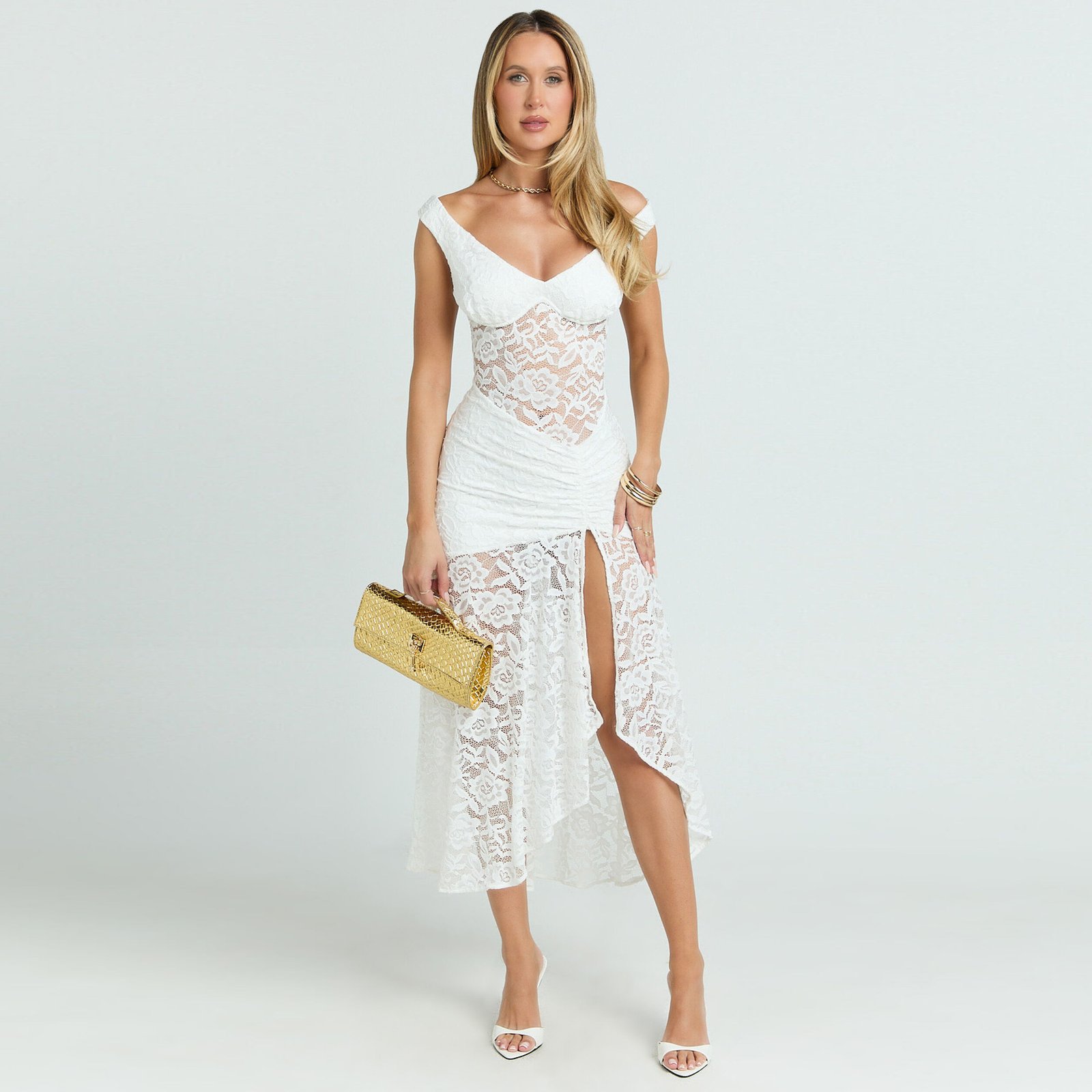
Lace: Delicate lace requires the most careful handling. Never apply direct heat, and always use tissue barriers between lace sections. The intricate patterns that make lace so romantic also make it prone to snagging.
Cotton & Cotton Blends: Good news for brides choosing relaxed, bohemian styles—cotton blends are 40% more breathable than synthetic alternatives and recover from wrinkles more readily with steam treatment.
I personally wore a silk-blend bridesmaid dress on a transcontinental flight last year, packed using these exact methods. Upon arrival in Lisbon, it looked like I’d just picked it up from the dry cleaner. The key was meticulous tissue layering and immediate unpacking.
Sustainable & Affordable Alternatives
Not every bride has access to professional garment bags or expensive travel accessories—and that’s perfectly okay. Here are budget-friendly and eco-conscious alternatives:
Repurposed Sheets as Garment Covers: A clean, white cotton bed sheet wrapped carefully around your dress provides excellent protection at zero cost. This zero-waste approach works beautifully and can be reused for dress storage after the wedding.
DIY Tissue Alternative: Unprinted newspaper (yes, it still exists) or plain kraft paper can substitute for acid-free tissue in a pinch. Just ensure there’s no ink transfer risk by testing on an inconspicuous fabric area first.
Rental Steamers: Rather than purchasing a travel steamer you’ll use once, check if your destination hotel offers steaming services or garment pressing. Many boutique hotels include this complimentary for bridal guests.
Eco-Friendly Brands to Consider: If you’re investing in travel accessories, brands like Tuft & Needle and Parachute offer organic cotton storage solutions that align with sustainable values. For garment bags, Hangerworld produces recyclable options at reasonable prices.
Outfit Pairing Suggestions
While we’re discussing wedding dress travel, let’s consider what you’ll wear while traveling. Your airplane outfit matters more than you might think—comfort meets style for this journey.
Spring/Summer Travel:
Pair a flowy midi dress in breathable linen with comfortable ballet flats. This relaxed silhouette transitions effortlessly from airport to destination while keeping you cool. Add a lightweight cardigan for chilly cabin temperatures.
Fall/Winter Travel:
Opt for stretchy leggings, an oversized cashmere sweater, and slip-on ankle boots. This cozy combination allows easy movement through security while looking polished upon arrival.
Petite brides take note: If you’re under 5’4″, choose monochromatic outfits in streamlined silhouettes. This creates visual length and helps you navigate crowded airports with confidence. Ankle boots work better than knee-highs for balance proportions.
Universal Accessories:
A structured tote bag holds your emergency kit, travel documents, and snacks. Oversized sunglasses hide tired eyes, and a silk scarf adds instant polish while doubling as a blanket mid-flight.
Common Style Mistakes to Avoid
Even the most organized brides make these travel errors. Learn from others’ mistakes:
Mistake #1: Vacuum-Sealing Your Dress
Those space-saver bags seem genius until you realize the compression creates permanent creases in structured bodices. Wedding planners report 23% of vacuum-sealed dresses require professional restoration. Avoid entirely.
Mistake #2: Wearing Your Dress Through Security
Yes, some brides have tried this. Don’t. Security complications, sanitation concerns, and sheer impracticality make this a firm no.
Mistake #3: Packing at the Last Minute
Rushed packing leads to forgotten items and improper folding. Prepare your dress at least 48 hours before departure when you can focus without panic.
Mistake #4: Ignoring Airline Policies
Assuming all airlines have identical rules leads to gate-side disasters. Some budget carriers have strict overhead bin size limits that won’t accommodate standard garment bags. Research thoroughly.
Mistake #5: Forgetting Documentation
Carry your receipt and designer details with you. In rare cases where dresses are damaged or lost, this documentation expedites insurance claims significantly.
Clothing Care & Storage Tips
Your wedding dress care journey extends beyond the flight itself. Proper storage before and after travel maintains your gown’s beauty.
Pre-Flight Storage:
Hang your dress in a cool, dark closet away from direct sunlight, which can yellow white fabrics over time. Avoid plastic garment bags for long-term storage—cotton breathes better and prevents moisture buildup.
Post-Wedding Preservation:
After celebrating, have your dress professionally cleaned within two weeks. Stains set quickly, and even invisible champagne spills oxidize into permanent marks. Professional preservation costs $150-400 but protects your investment for future generations.
Pro Tips I’ve Tested:
- Store dresses with silica gel packets to absorb moisture
- Never hang heavily beaded bodices long-term—the weight stretches fabric
- Refold stored dresses every few months to prevent permanent creases along fold lines
Conclusion
Flying with your wedding dress doesn’t have to be a stress-inducing nightmare. By following these seven stress-free tips, you’ll arrive at your destination with a pristine gown and a calm mind ready to focus on what truly matters—marrying your person.
Remember the essential steps: contact your airline early, master proper folding techniques, choose carry-on transport when possible, arrive early, board strategically, monitor environmental conditions, and steam gently upon arrival. Each step builds upon the last, creating a foolproof system for bridal travel success.
Your wedding dress represents one of the most meaningful purchases you’ll ever make. It deserves careful handling, thoughtful preparation, and the peace of mind that comes from knowing you’ve done everything possible to protect it.
Now it’s your turn: Try these tips on your upcoming journey, share your travel photos with us, or explore our seasonal guides for destination wedding styling inspiration. Have a question I didn’t cover? Drop it in the comments below—I personally respond to every bride-to-be who needs guidance.
Safe travels, beautiful bride. Your dress—and your dream wedding—awaits.
FAQs
Can I bring my wedding dress as a carry-on?
Absolutely! Most airlines allow wedding dresses as carry-on items in garment bags. However, always confirm with your specific airline beforehand, as size restrictions vary. Arrive early to secure overhead or closet space.
What if there’s no room in the overhead bin for my dress?
Don’t panic. Politely ask flight attendants about closet availability or if another passenger might help accommodate. Gate-checking with “fragile” labels is a backup option. Some brides purchase an extra seat for absolute security.
How do I prevent my wedding dress from wrinkling during the flight?
Proper folding with acid-free tissue between layers is crucial. Avoid compression and refrain from placing heavy items on top of your garment bag. Steaming upon arrival resolves most travel wrinkles within 30 minutes.
Should I ship my wedding dress instead of flying with it?
Shipping is an option, but I generally advise against it due to delivery uncertainties and handling concerns. If shipping is necessary, use a reputable bridal shipping service with insurance and tracking, and allow a generous delivery window.
What if my wedding dress gets damaged during travel?
Document everything immediately with photos. Contact the airline’s customer service and file a formal complaint. Having your purchase receipt and dress details expedites claims. Travel insurance covering valuable items provides additional protection.
How far in advance should I prepare my dress for travel?
Begin preparation at least 48 hours before your flight. This allows time for careful packing without rushing and gives you buffer time for any forgotten supplies or last-minute adjustments.


About author






















Add comment