
How Much Does It Cost to Preserve a Wedding Dress? 7 Facts Every Bride Needs to Know
Introduction: Why Wedding Dress Preservation Matters More Than You Think
Did you know that approximately 2.5 million weddings take place in the United States alone each year, yet only 35% of brides actually preserve their wedding gowns professionally? This staggering statistic reveals a surprising gap between the emotional value we place on our bridal attire and the steps we take to protect it. If you’ve recently walked down the aisle or you’re planning your big day, understanding how much does it cost to preserve a wedding dress is essential knowledge that could save your cherished garment from irreversible damage.
I remember my best friend calling me in a panic three months after her wedding. She’d stored her dress in a plastic garment bag in her basement, and when she finally opened it, yellow stains had bloomed across the bodice like unwanted flowers. The silk organza had begun to deteriorate, and the delicate beadwork had tarnished. Her $4,000 dream dress was ruined—all because she didn’t know that preservation was time-sensitive and that her storage method was doing more harm than good.
Here’s the truth: how much does it cost to preserve a wedding dress? 7 facts will guide you through everything from pricing breakdowns to choosing the right service. Whether you’re working with a modest budget or willing to invest in museum-quality preservation, I’m going to walk you through this process as someone who has helped countless brides navigate post-wedding decisions. Let’s dive into the essential details that will help you protect your investment and your memories.
Wardrobe Essentials List: Understanding Your Wedding Dress Components
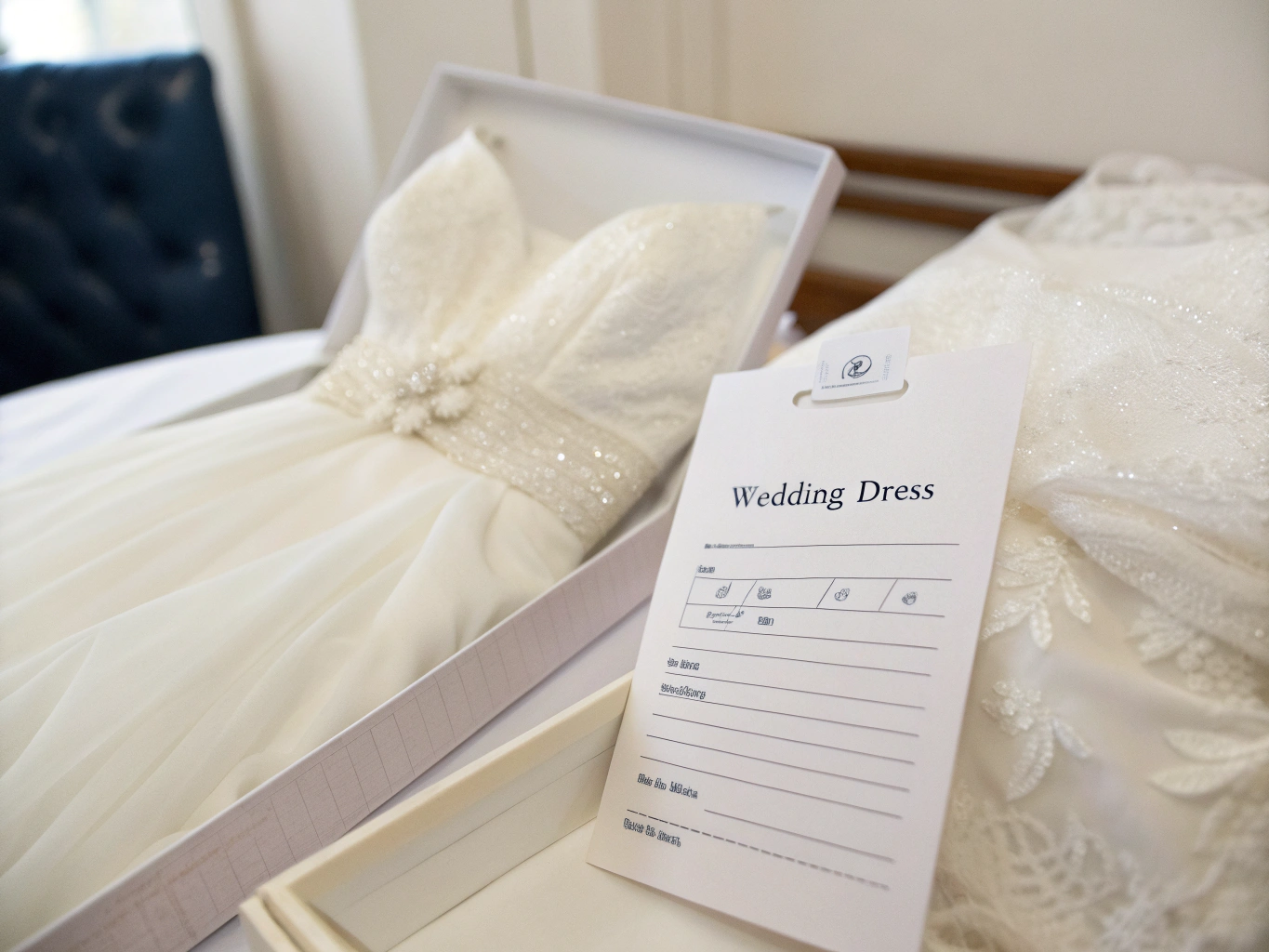
Before we explore costs, let’s break down what makes wedding dress preservation unique compared to regular dry cleaning. Your gown isn’t just fabric—it’s a collection of delicate components that each require specialized care.
Essential Dress Elements That Affect Preservation Costs:
- Primary Fabric: Silk, satin, lace, tulle, chiffon, or organza—each material has different cleaning requirements. Silk is notoriously delicate and may increase your preservation cost by 15-20%.
- Embellishments: Beading, sequins, crystals, pearls, and embroidery require hand-finishing and individual attention. A heavily beaded bodice can add $50-$150 to your final bill.
- Construction Details: Boning, corsetry, and structural elements need careful handling during the cleaning process.
- Train Length: Cathedral and royal-length trains involve more fabric, more cleaning solution, and more time. Expect a 20-30% increase for trains exceeding 10 feet.
- Removable Accessories: Detachable sleeves, belts, and overlays should be preserved alongside your main gown.
Substitution Tip: If budget is a concern, consider whether you need to preserve every accessory. For example, swap full preservation of your cathedral veil for a high-quality at-home storage solution, and redirect those funds toward the dress itself.
Think of your wedding dress like a complex ecosystem of textures. The cool smoothness of silk charmeuse, the delicate whisper of tulle layers, the satisfying weight of hand-sewn crystals—each element tells part of your wedding story. Preservation isn’t just about preventing stains; it’s about maintaining the sensory experience of your dress for decades to come.
Styling Time: How Long Does Wedding Dress Preservation Take?
Understanding the timeline for wedding dress preservation helps you plan effectively and avoid rushed decisions that could compromise quality.
Typical Preservation Timeline:
- Ideal Timing: 1-6 weeks after your wedding. The sooner, the better—stains set over time, and invisible substances like champagne and body oils oxidize within weeks.
- Rush Services: Available within 2-4 weeks for an additional $75-$150 premium.
- Standard Processing: 4-8 weeks from drop-off to completion.
- Museum-Quality Services: May take 10-12 weeks for meticulous hand-cleaning and archival packaging.
Here’s a real-world comparison: A bride who dropped off her dress within two weeks of her wedding paid $295 for preservation and received flawless results. Her maid of honor waited eight months, and the same service cost $425 due to set-in stains requiring additional treatment—plus one champagne spot couldn’t be fully removed.
Pro Insight: According to the Association of Wedding Gown Specialists, dresses cleaned within 90 days of the wedding have a 95% success rate for complete stain removal. After six months, that rate drops to approximately 60%.
Step-by-Step Styling Guide: The Wedding Dress Preservation Process
Step 1: Research and Select Your Preservation Service
Not all preservation services are created equal. Look for companies that specialize in bridal gowns rather than general dry cleaners. Ask about their cleaning methods—virgin solvent (never reused cleaning fluid) is the gold standard.
Stylist Trick: Request references and before-after photos. Legitimate preservationists are proud to showcase their work.
Step 2: Document Your Dress’s Condition
Before handing over your gown, photograph every angle, noting existing stains, tears, or damage. This creates a baseline for comparison and protects you in case of disputes.
Step 3: Choose Your Preservation Package
Most services offer tiered packages:
- Basic Cleaning + Standard Boxing: $150-$300
- Premium Preservation with Museum-Quality Materials: $300-$500
- Luxury/Couture Preservation: $500-$1,000+
Step 4: Understand the Cleaning Process
Quality preservationists hand-inspect every inch of your gown, treat stains individually, and clean the entire dress using fabric-appropriate methods. Avoid services that simply run your gown through standard dry cleaning machines.
Step 5: Review Packaging Options
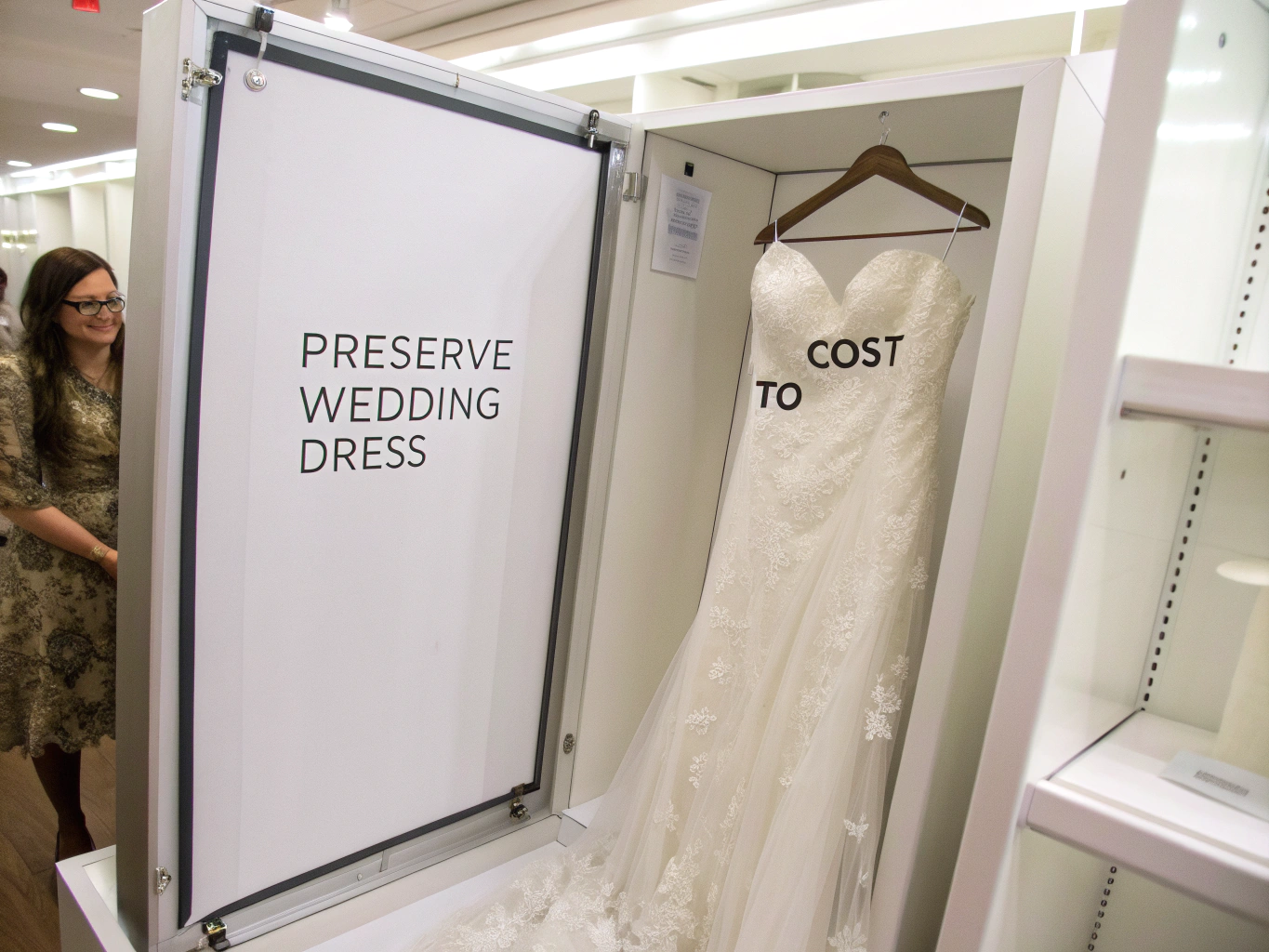
Your dress should be wrapped in acid-free tissue paper, placed in an acid-free box, and stored in a climate-controlled environment. Some services offer windowed boxes for display; others recommend fully enclosed packaging for maximum protection.
Step 6: Establish a Maintenance Schedule
Even preserved dresses benefit from inspection every 2-3 years. Refolding along different creases prevents permanent fold lines.
Step 7: Plan for Future Use
Whether you’re saving your dress for a future daughter, planning to sell it, or hoping to repurpose it into christening gowns or anniversary gifts, communicate these intentions to your preservationist for tailored recommendations.
Fashion Fit & Comfort Insights: Understanding Fabrics and Preservation Needs
Different fabrics respond differently to preservation, and understanding these nuances can help you budget accurately and set realistic expectations.
Fabric-Specific Considerations:
- Silk: The most delicate and expensive to preserve. Silk fibers are protein-based and extremely sensitive to light, moisture, and heat. Expect a 10-15% cost premium for silk gowns.
- Polyester Blends: More forgiving and typically less expensive to preserve. These synthetic fibers resist staining better than natural materials.
- Lace: Antique or heirloom lace requires hand-cleaning and may need stabilization. Budget an additional $75-$150 for extensive lacework.
- Tulle: Prone to crushing and snagging. Quality preservation includes careful layering to prevent permanent flattening.
Data Point: According to textile research from Cornell University, cotton blends breathe approximately 40% better than pure synthetics, but pure silk requires the most careful long-term storage conditions, maintaining optimal preservation at 65-70°F with 30-50% relative humidity.
Personal Experience: I once toured a preservation facility where they showed me a silk shantung gown from 1962 that looked virtually new after proper preservation. Next to it was a polyester dress from 1995 that had yellowed despite being “stored carefully” in a plastic bag. The difference was stark and convinced me that investment in proper preservation pays dividends across decades.
Sustainable & Affordable Alternatives: Preservation for Every Budget
Not everyone can afford premium preservation, and that’s completely okay. Here are creative alternatives that balance cost-consciousness with responsible garment care.
Budget-Friendly Options ($50-$150):
- DIY Preservation Kits: Companies like David’s Bridal and various online retailers offer at-home preservation kits ranging from $50-$100. These include acid-free boxes, tissue paper, and instructions. However, they don’t include professional cleaning.
- Local Bridal Shop Partnerships: Many bridal boutiques have relationships with preservation services and offer discounted rates for customers who purchased their dresses there.
Mid-Range Alternatives ($150-$300):
- Regional Specialty Cleaners: Look beyond national chains. Local wedding dress specialists often provide comparable quality at lower prices due to reduced overhead.
- Package Deals: Some preservationists offer discounts when you bundle dress preservation with veil or accessory cleaning.
Eco-Conscious Choices:
- Wet Cleaning Services: Some environmentally-focused preservationists use water-based cleaning methods that avoid harsh chemicals. These are gentler on both fabrics and the planet.
- Repurposing Instead of Preserving: Consider having your dress professionally cleaned and then redesigned into a cocktail dress, christening gown, or memorial quilt. Several sustainable bridal companies, like Celia Grace and Reformation, now offer dress transformation services.
Creative Budget Hack: If your dress has minimal staining and you’re primarily concerned with long-term storage, invest in professional cleaning ($75-$125) and purchase your own archival storage materials ($30-$50). This DIY-hybrid approach can save $100-$200 while still protecting your gown.
Outfit Pairing Suggestions: Coordinating Preservation with Wedding Accessories
Your wedding dress doesn’t exist in isolation—your entire bridal ensemble deserves consideration when planning preservation.
Accessories Worth Preserving:
- Veil: If your veil is heirloom or high-quality, consider professional preservation. Cost typically runs $50-$100 additional.
- Headpiece: Tiaras, combs, and hairpieces benefit from gentle cleaning and proper storage.
- Shoes: While not typically “preserved” in the traditional sense, bridal shoes should be cleaned and stored in acid-free tissue to prevent yellowing.
- Undergarments: Shapewear and bridal lingerie can be cleaned and stored separately.
Seasonal Consideration: If you were a winter bride and your dress has a faux fur stole or velvet elements, these require different care than summer silk or chiffon. Discuss seasonal accessories with your preservationist.
Personalization Tip: For petite brides whose dresses were hemmed significantly, ask about preserving the hem scraps separately. These fabric pieces can be used for future craft projects—like creating a ring bearer pillow for a future family wedding.
Common Style Mistakes to Avoid: Preservation Pitfalls That Ruin Dresses
I’ve seen heartbreaking preservation failures, and most are completely avoidable. Here are the most common mistakes brides make:
Mistake #1: Waiting Too Long
As mentioned earlier, time is your enemy. Every day your dress sits unwashed, invisible stains are setting and oxidizing. Aim to have your dress at the preservationist within 30 days.
Mistake #2: Using General Dry Cleaners
Standard dry cleaners lack the specialized knowledge for bridal fabrics. A survey by the International Fabricare Institute found that 23% of wedding dresses cleaned at general dry cleaners experienced some form of damage.
Mistake #3: Plastic Storage
Plastic traps moisture and releases chemicals that yellow fabric over time. Never store your preserved dress in a plastic bag or container.
Mistake #4: Improper Inspection
Always open and inspect your preserved dress upon receiving it—don’t wait years. Most preservationists offer guarantees, but these typically have time limits.
Mistake #5: Attic or Basement Storage
Temperature extremes and humidity fluctuations are fabric destroyers. Store your preserved dress in a climate-controlled closet, never in attics, basements, or garages.
Mistake #6: Skipping Insurance
Some preservation services offer insurance or guarantees; others don’t. Ask specifically about their policy for damaged or lost items.
Mistake #7: Not Communicating Stain Locations
Point out every stain you’re aware of—even if it seems invisible. Sugar-based stains (from cake and champagne) are often clear initially but darken dramatically over time.
Clothing Care & Storage Tips: Long-Term Preservation Maintenance
Professional preservation is just the beginning. Here’s how to maintain your gown for decades:
Storage Best Practices:
- Environment: Store in a cool, dark, dry place. Ideal conditions are 65-70°F with 30-50% relative humidity.
- Position: Store flat if possible. If hanging is necessary, use a padded hanger and distribute weight across the shoulders.
- Inspection Schedule: Check your dress every 2-3 years. Refold along different lines to prevent permanent creasing.
Pro Tips from My Experience:
- Add fresh acid-free tissue between folds every time you inspect.
- Never display your dress in direct sunlight—UV rays will fade and deteriorate fabric within months.
- If you detect any musty odors, air the dress in a clean, climate-controlled room for 24 hours before repackaging.
Material Care Data: Archival-quality acid-free boxes maintain their protective properties for approximately 20-30 years before needing replacement. Mark your calendar for eventual re-boxing.
Conclusion: Investing in Your Wedding Memories
Understanding how much does it cost to preserve a wedding dress empowers you to make informed decisions that protect both your investment and your memories. Whether you spend $150 on a basic package or $800 on museum-quality preservation, the key is acting quickly, choosing specialists over generalists, and maintaining proper storage conditions.
Your wedding dress is more than fabric and thread—it’s the embodiment of one of life’s most significant moments. The feel of that silk, the sparkle of those crystals, the memory of walking down the aisle—all of it deserves protection.
Your Next Steps:
- Research local bridal preservation specialists this week
- Get quotes from at least three services
- Make your appointment within 30 days of your wedding
- Share your preservation journey with us in the comments!
Looking for more bridal guidance? Explore our Complete Post-Wedding Checklist and How to Style Your Wedding Accessories for Everyday Wear guides.
FAQs: Your Wedding Dress Preservation Questions Answered
How much does basic wedding dress preservation cost?
Basic preservation typically ranges from $150-$300, including professional cleaning and acid-free boxing. Heavily embellished or designer gowns may cost $400-$800+.
Is wedding dress preservation worth the investment?
Absolutely, especially if you hope to pass down your dress, resell it, or repurpose it in the future. Unpreserved dresses can yellow and deteriorate within 5-10 years.
Can I preserve my wedding dress at home?
You can store a professionally cleaned dress using at-home preservation kits ($50-$100), but professional cleaning is still recommended to remove invisible stains.
How long does wedding dress preservation last?
Properly preserved and stored dresses can last 50+ years. However, you should inspect and potentially re-box every 20-30 years.
What’s the difference between wedding dress cleaning and preservation?
Cleaning removes stains and refreshes fabric; preservation includes cleaning plus archival-quality packaging designed for long-term storage.
When should I preserve my wedding dress?
Ideally within 1-4 weeks of your wedding. The sooner you act, the better your results will be.
Have you preserved your wedding dress? Share your experience and tips in the comments below—we’d love to hear your story!




Add comment